
Ever since I started knitting, I’ve always had a soft spot for hats. Perhaps it’s because they are the perfect blend of comfort, style, and creativity, or maybe because a hand-knitted hat carries a story that you wear on your head. Choosing the right yarn for hats is an art in itself. It’s not just about warmth or softness, but also about texture, weight, and how the fabric drapes once it’s finished. In this article, I want to share my tips, discoveries, and tricks for picking the ideal yarn, whether you’re making a cozy winter beanie or a lighter version for spring. For a more comprehensive overview of fibers and their characteristics, I also invite you to check out my complete guide to knitting yarn, an essential resource for any passionate knitter.
How to Choose the Right Yarn for Your Hat
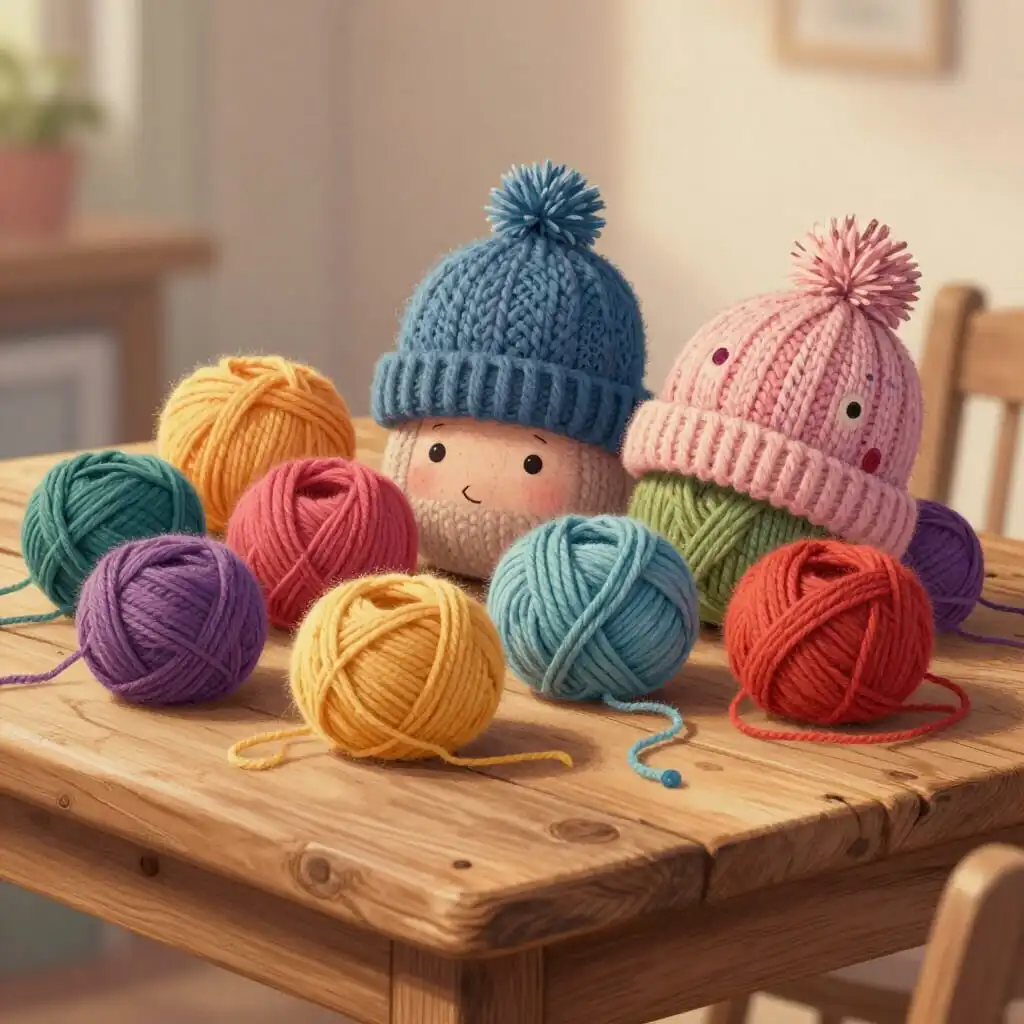
The Fiber: Wool, Acrylic, or Blends?
When choosing yarn for a hat, the first question to ask is about the fiber. Merino wool, for example, is a staple for winter hats. It combines softness, warmth, and breathability, making it perfect for sensitive skin, including babies’. Acrylic, on the other hand, is ideal if you’re looking for a hat that is easy to maintain and hypoallergenic. While it might not be the most luxurious fiber, it stays soft wash after wash and comes in a vast palette of colors. Finally, wool-acrylic or wool-alpaca blends offer a great compromise: the warmth of wool with the easy care of acrylic, or the lightness and halo of alpaca combined with the durability of classic wool. Choosing your fiber ultimately comes down to how you intend to use the hat and the look you want to achieve.
Yarn Weight and Its Impact
Beyond the fiber, the yarn weight is crucial. There are several categories: fingering, sport, DK, worsted, and bulky, each offering a different look and feel. A slouchy beanie can be knit with a bulky yarn for a cozy effect and a soft drape, while a fitted baby hat is more comfortable in a fine, lightweight yarn. Personally, I love experimenting with different weights to see how the yarn behaves and how the hat fits the head. It’s fascinating to see how the same pattern can change completely depending on whether you use sport weight or bulky yarn.
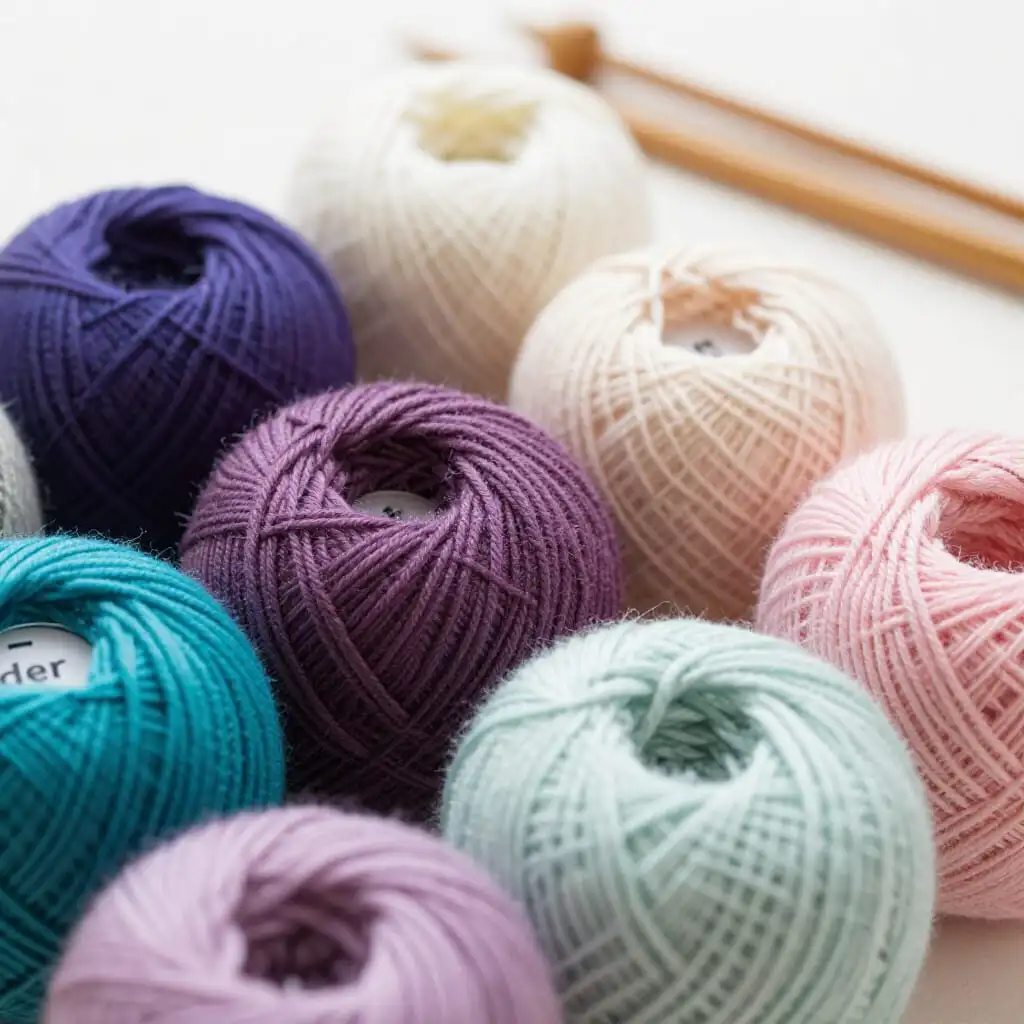
Color and Style
Choosing a color is more subtle than it seems. It’s not just about following trends, but also about considering skin tones, your existing wardrobe, and the vibe you want to create. For me, I love mixing natural tones with pops of bright color for a touch of originality. Some knitters prefer solid colors for a classic elegance, while others opt for Fair Isle or jacquard patterns to tell a story. Regardless of your preference, the color interacts with the texture: a very fuzzy yarn can soften complex patterns, while a smooth yarn makes them stand out.
The Best Yarn for Every Season
Winter Hats: Warmth and Comfort
Winter calls for warm, enveloping fibers. Merino wool or alpaca are ideal for a cozy hat that effectively protects against the cold while remaining lightweight on the head. Some knitters add a fleece lining for optimal comfort, especially for children or extreme cold. Bulky yarn also gives the hat a structured style, which looks particularly beautiful for cables or textured stitches.
Transitional and Spring Hats
For milder seasons, your choice of yarn changes. Lightweight fibers, such as cotton or fine wool blends, allow you to knit breathable and comfortable hats—perfect for spring evenings or chilly mornings. You can also take a look at lightweight yarn for summer hats, which offers textures and colors adapted for warmer days while remaining pleasant to wear.
Yarn Comparison Table for Hats
| Yarn Type | Pros | Cons | Best Use |
|---|---|---|---|
| Merino | Soft, warm, breathable | Higher price | Winter hats, babies |
| Alpaca | Very warm, lightweight | Can be itchy for some | Luxury winter hats |
| Acrylic | Machine washable, hypoallergenic | Less breathable | Everyday wear |
| Blends | Balance of softness/warmth | Varies by blend | All types of hats |
I always use this table to quickly decide which yarn to pick for my projects. Even after years of knitting, it’s a tool I refer back to because every fiber has its own unique personality.
Tips for Knitting the Perfect Hat
Best Stitches for a Comfortable Fit
The choice of stitch is just as important as the choice of yarn. Ribbing is perfect for an elastic, snug fit, while stockinette stitch offers a smooth and simple look. Cables add dimension and style, but they require a yarn with enough “body” or definition for the pattern to pop. I always recommend knitting a small swatch to check the gauge and the drape of the yarn before starting the full project. A well-knit hat should be comfortable but also hold its shape after several washes.
How to Care for Your Hat
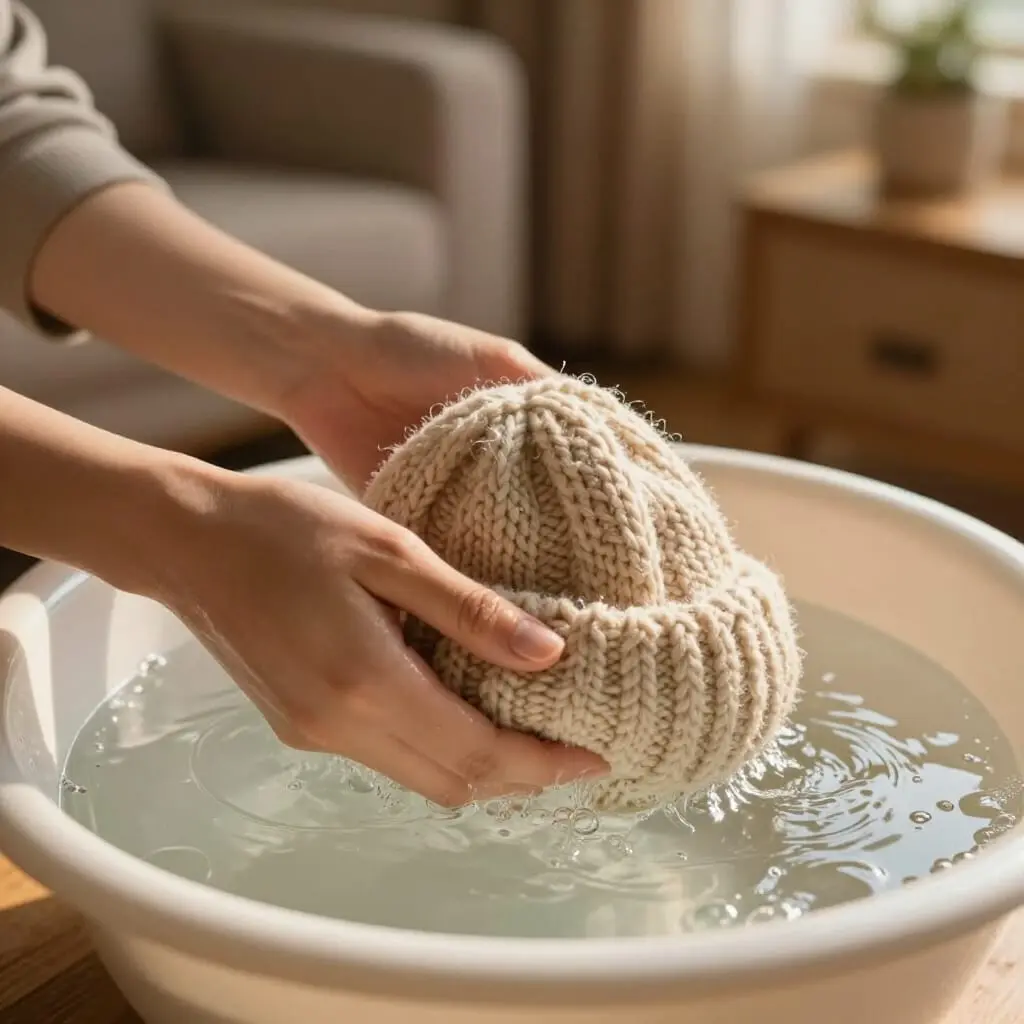
Taking care of your wool is essential for your hat to last. Most natural yarns prefer hand washing with a mild soap and drying flat. Felting can quickly ruin hours of meticulous work, especially with bulky wools. I’ve learned to lay my hats on a towel and let them dry naturally, which preserves both the shape and the softness. Even with synthetic yarns like acrylic, a delicate wash extends the life of your creation.
Inspiration and Creative Ideas
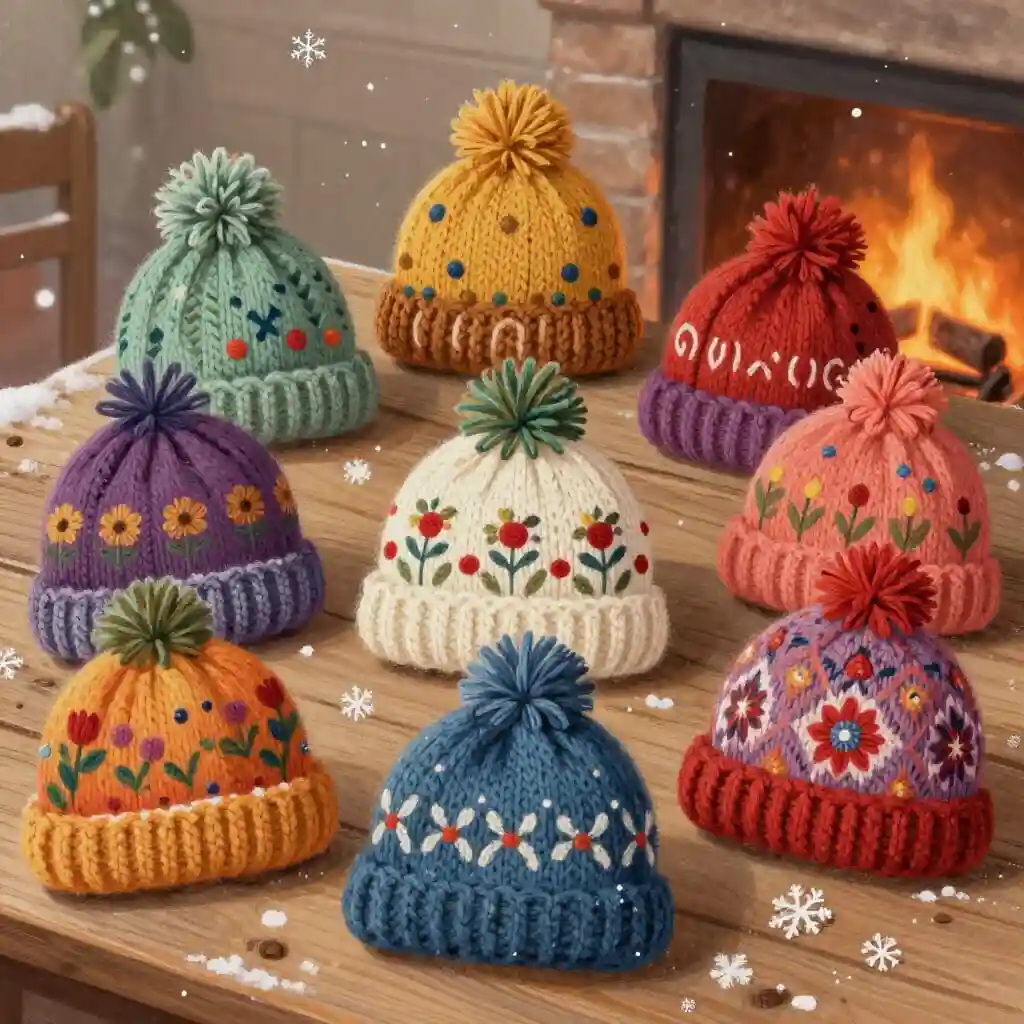
I love getting inspired by other knitters to refresh my hat designs. From slouchy beanies to pom-pom hats and colorful jacquard patterns, every style brings a unique identity. Pairing complementary colors, playing with contrasting textures, or customizing a hat as a gift transforms knitting into a true creative adventure.
FAQ – Yarn for Hats
Which yarn should I choose for a baby hat?
For babies, I always prioritize merino wool or hypoallergenic yarns. They are soft, warm, and won’t irritate delicate skin.
What is the warmest yarn for winter?
Alpaca and merino wool are among the warmest. Alpaca is lightweight and incredibly soft, making it ideal for chic winter hats.
Can I knit a hat with acrylic yarn?
Absolutely! Acrylic is practical, comes in many colors, and is easily washable. It remains an excellent choice for everyday hats or for beginners.
How do I prevent my hat from felting in the wash?
Always hand wash in lukewarm water and dry flat. Avoid hot water and machine drying, especially for natural wools.
What yarn is best for a lightweight spring hat?
Cotton, light blends, or fingering weight wool are perfect for a breathable and comfortable hat during milder seasons.
Which stitches are best for a stretchy, comfortable hat?
Ribbing (1x1 or 2x2) provides great elasticity, while stockinette remains simple and pleasant. Cables add style but require a yarn with good stitch definition.
This article perfectly complements our complete guide to knitting yarn by focusing on a very specific and practical aspect: choosing the ideal yarn for a hat. Whether you are a beginner or a seasoned knitter, I hope these tips inspire you and make your next projects even more enjoyable. Knitting a hat is more than just making an accessory: it’s a piece of warmth and care that you can wear or give—a small work of love, spun by hand.
See Also
