
When summer arrives and the days get longer, I always do the same thing: put away the chunky yarns and bring out my lightweight, airy threads. Knitting in summer is an art—a subtle balance between comfort, aesthetics, and breathability. Summer yarn is more than just knitting yarn; it is the promise of pieces that caress the skin without causing overheating, and projects that are a joy to wear even under the sun. In this article, I’ll share my experience and tips for choosing, working with, and caring for your summer yarns. If you want to dive deeper into all the nuances of yarn, I invite you to discover our complete yarn guide for all your projects, which explores fibers, textures, and techniques for all skill levels.
What is Summer Yarn and Why Choose It?
When I first started knitting lightweight pieces, I realized there was a huge difference between traditional wool and summer yarn. The former can be incredibly warm—ideal for winter, but unsuitable for July afternoons. Summer yarn, however, is designed to be breathable, soft, and lightweight. Its secret lies in the choice of fibers and the fineness of the thread, which help regulate temperature while feeling pleasant against the skin.
Main Characteristics
Summer yarn is defined by several essential qualities. It must be lightweight so it doesn’t weigh down the garment, flexible enough to create airy pieces, and breathable to avoid trapping heat. The most commonly used fibers are cotton, linen, bamboo, and certain varieties of lightweight merino. Each offers a different feel: cotton is soft and slightly elastic, linen provides natural freshness, and bamboo is prized for its silky smoothness. Even lightweight merino can be perfect for a summer sweater thanks to its natural thermoregulating properties.
Benefits for Summer Projects
Knitting with summer yarn offers an incomparable advantage: comfort. Wearing a top, shawl, or cardigan knitted with these threads is a true pleasure, even during warm summer evenings. Lightweight fibers are particularly suitable for the sensitive skin of children and babies and allow for the creation of easy-to-maintain pieces, perfect for travel or daily outings. With summer yarn, you can experiment with bold colors, textures, and openwork stitches without ever sacrificing comfort.
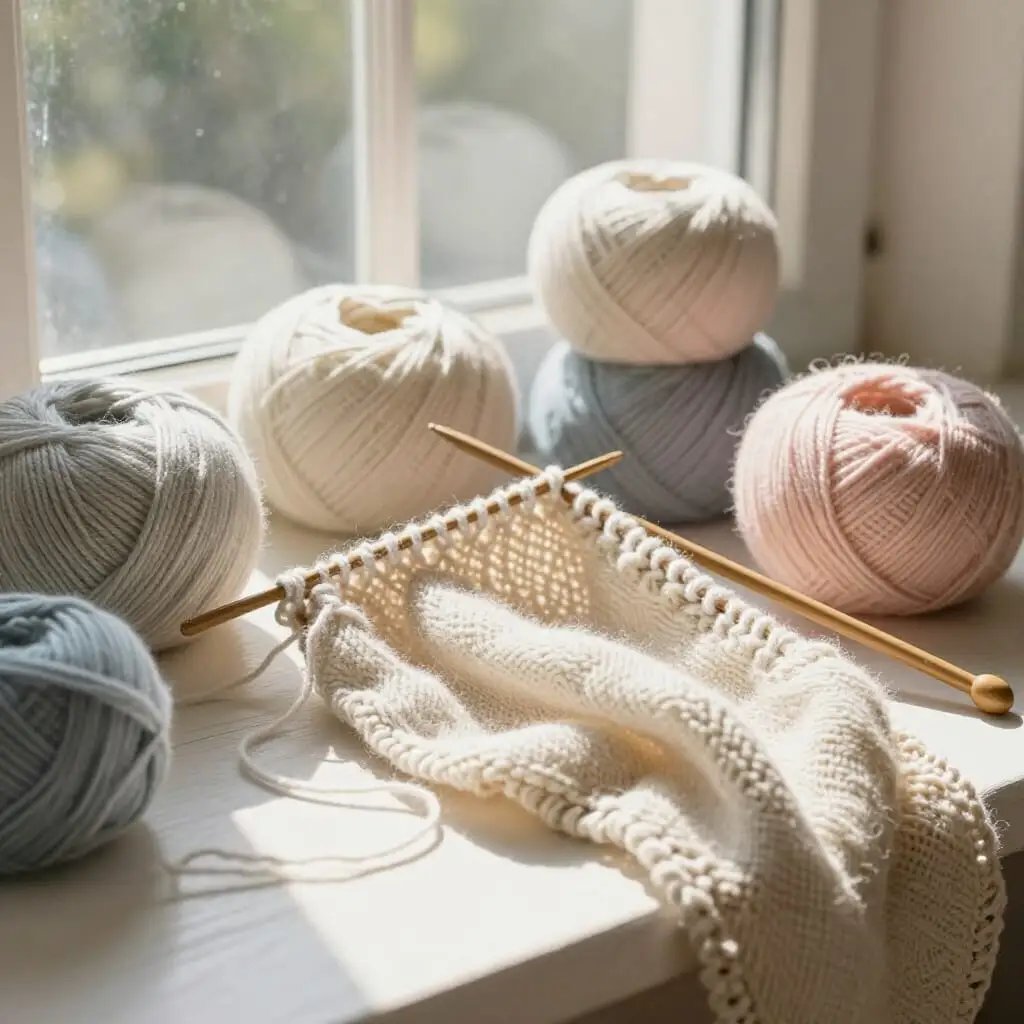
The Best Fibers for Summer Knitting
Summer is a season that demands the right fibers, and I’ve spent years testing which ones work best depending on the project and the desired style. The choice of fiber determines not only the comfort but also the drape and durability of your creations.
Natural Fibers
Cotton is my favorite for summer clothing. It is breathable, soft, and takes bright or pastel colors beautifully. Linen, on the other hand, is a robust and lightweight thread, ideal for shawls or flowy dresses; it has that slightly crinkled look that gives summer pieces a wonderful charm. Bamboo is silkier and antibacterial, making it perfect for accessories or baby clothes. Finally, lightweight merino might seem surprising for summer, but it is thermoregulating and provides incredible lightness for a summer sweater or cardigan.
Blended Fibers and Alternatives
Certain combinations, such as cotton-bamboo or linen-cotton, offer a perfect balance between structure and softness. These are particularly useful if you want to knit pieces that are easy to wash and remain supple over time. My advice: always knit a swatch before starting a larger project, especially for fitted garments or delicate accessories. This allows you to judge the drape, elasticity, and softness against the skin.
Summer Fiber Comparison Table
| Fiber | Pros | Cons | Best for |
|---|---|---|---|
| Cotton | Soft, breathable, vibrant colors | Low elasticity | T-shirts, tops |
| Linen | Lightweight, strong, airy | Wrinkles easily | Dresses, shawls |
| Bamboo | Silky, antibacterial | More expensive | Accessories, babies |
| Light Merino | Breathable, thermoregulating | More fragile | Light sweaters, cardigans |
How to Knit with Summer Yarn
Knitting in summer requires a few adjustments, and over the years, I’ve learned to appreciate the small details that make all the difference. The goal is to let the yarn breathe by prioritizing openwork stitches while maintaining enough structure so the garment keeps its shape.
Recommended Techniques
Openwork patterns, light lace, or even a delicate garter stitch work perfectly. I like to use needles slightly larger than those recommended on the label to create a more airy effect and a more fluid drape. Knitting a swatch is essential; it allows you to check your tension and drape to ensure the final piece will be comfortable and beautiful.
Ideal Summer Projects
My favorite summer projects are lightweight tops, tank tops, and flowy cardigans. Openwork shawls are also a joy to wear, whether over a summer dress or with shorts for an evening stroll. Small accessories like thin beanies or lightweight socks add a delicate touch and are ideal for testing new techniques without committing to a massive project. For those just starting out, I recommend discovering our tips for starting with yarn—it’s an excellent starting point for getting familiar with lightweight threads.
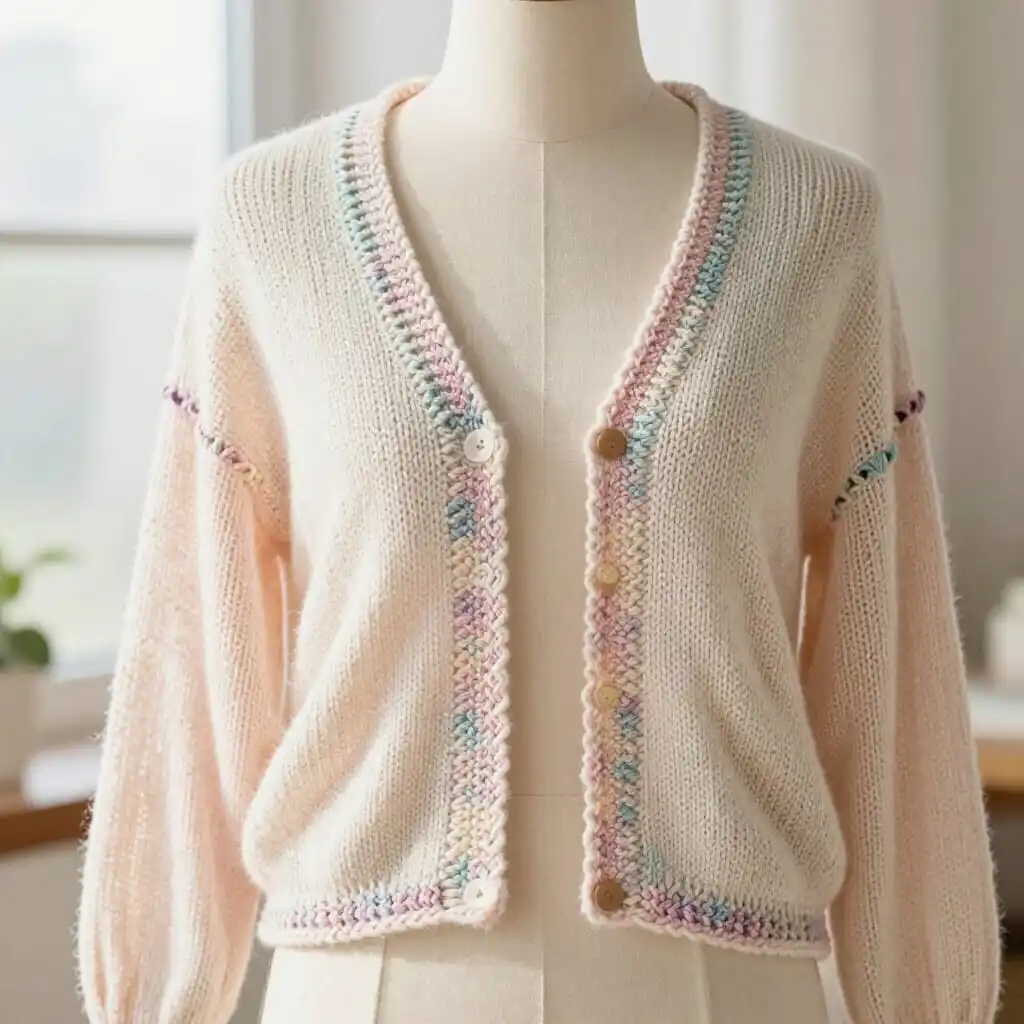
Care and Storage for Summer Yarn
Once your creation is finished, the real challenge begins: preserving its beauty and softness throughout the season. Summer yarn, while lightweight, requires a minimum of attention.
Washing and Drying
Some fibers like cotton or bamboo can be machine-washed on a delicate cycle, but I always prefer hand-washing to preserve the texture and color. Laying the garment flat to dry is indispensable to prevent your clothes from stretching or losing their shape. I like to place my pieces on a towel, gently reshape them, and let them air dry away from direct sunlight.
Storage
When the season changes, I store my yarns and finished pieces in cotton bags or ventilated boxes to avoid humidity and pests like moths. This care ensures your summer knits keep their brilliance and soft texture for seasons to come.
FAQ – Summer Yarn
Which yarn should I choose for a lightweight summer top?
I always recommend cotton or linen, possibly blended with bamboo for extra softness. These fibers are lightweight, breathable, and comfortable to wear all day long.
Can you knit with merino wool in the summer?
Absolutely! Lightweight merino regulates temperature, making it perfect for slightly cool evenings without creating excessive heat.
How do I stop summer knitwear from losing its shape?
Always knit a swatch, wash gently by hand, and lay flat to dry. These simple steps guarantee the structure and beauty of your pieces.
Is summer yarn suitable for babies?
Yes, especially soft fibers like cotton or bamboo. They are hypoallergenic and breathable, ideal for the fragile skin of little ones.
Can I dye summer yarn myself?
Certain natural fibers like cotton and linen take dye very well. It’s a wonderful way to personalize your creations with unique colors.
Summer yarn is more than just a thread; it’s an invitation to knit light, explore new textures, and create comfortable, aesthetic pieces. With a little attention to fiber choice, technique, and care, your knits can become your ideal companions throughout the warm season. Let your creativity guide you, test different fibers and stitches, and dive into the fascinating world of summer yarn. To further your knowledge and discover all the nuances of yarn, feel free to explore our complete yarn guide for all your projects.
See also
