
Starting to knit is a bit like embarking on a journey. You never know exactly where you’ll end up, but the joy begins the moment you feel the yarn in your hands. When I took my first steps into knitting, I remember that mix of excitement and doubt while staring at all those colorful skeins. The yarn you choose at the start can transform the entire experience: it can either build your confidence and pleasure or lead to frustration and discouragement. That is why I wrote this article—to help you find the best beginner-friendly yarn to make your first projects enjoyable and successful.
Why Choosing the Right Yarn is Essential for Beginners
Yarn is more than just a material; it is a companion for your projects. When you’re starting out, some fibers can snag on the needles or fray, while others glide smoothly, allowing you to see your progress immediately. Yarn also affects comfort: a scratchy yarn can irritate the skin and turn a relaxing knitting session into a chore.
There are several main categories: natural fibers, such as sheep’s wool, cotton, or silk, provide warmth and breathability, while synthetic fibers, like acrylic, often offer durability and easy care. Blends combine the best of both worlds, but you have to know how to choose. For a beginner, the priority should be ease of handling and the tactile pleasure of the yarn, rather than the luxury or sophistication of the fiber.
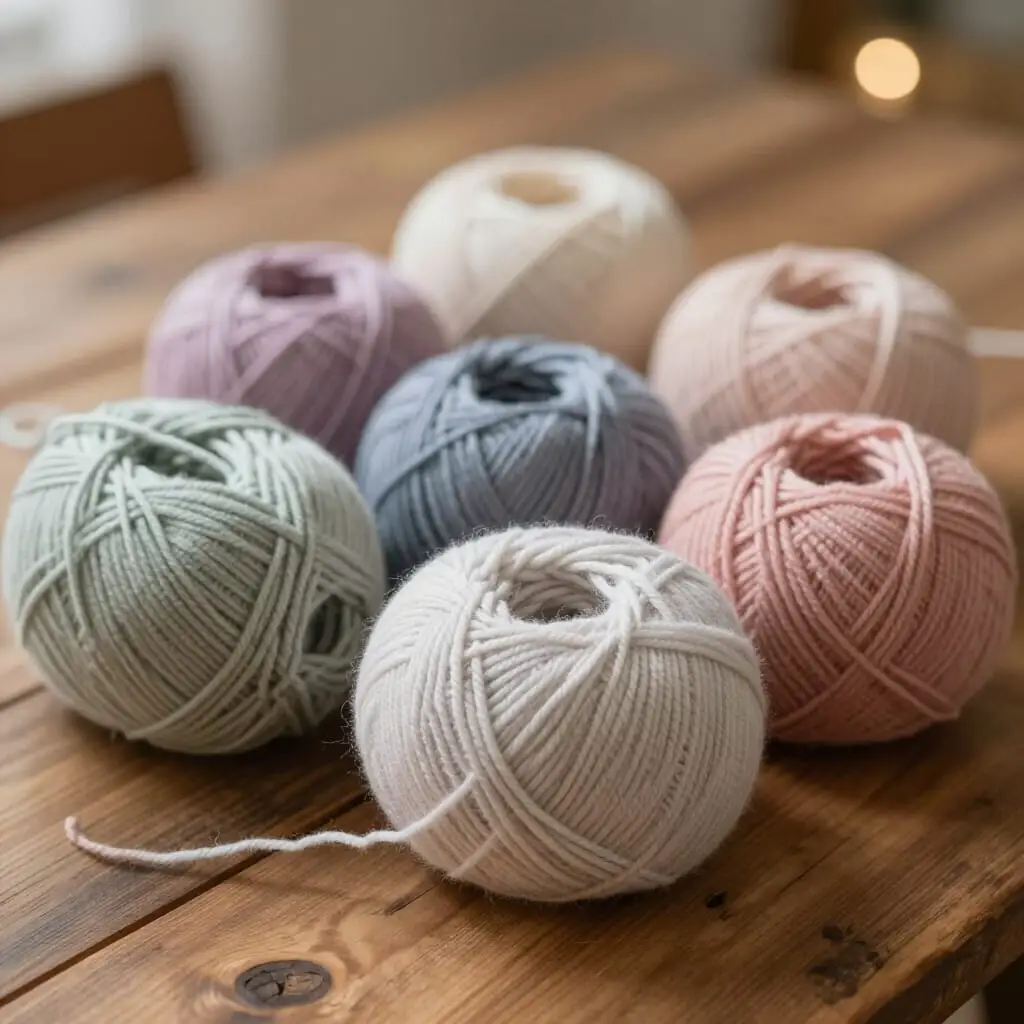
Key Characteristics to Look For When Starting
Texture and Softness
When choosing your first yarn, softness is key. A rough or highly textured yarn can catch on the needles and make it difficult to learn basic stitches. I personally learned on a soft, thick acrylic yarn: every stitch glided almost on its own, which gave me confidence from the start. For beginners, prioritizing a soft yarn allows you to focus on the motion and the joy of knitting rather than struggling with snags or knots.
Weight and Gauge
The weight (thickness) of the yarn is another crucial factor. Thin yarns, such as fingering weight, are delicate to handle and unforgiving of tension mistakes, whereas thicker yarns, such as worsted or aran, make it easier to see your stitches and provide quickly visible results. For your first projects, opting for a medium or thick weight allows you to progress without frustration. If you want to dive deeper into all the different types of yarn and their uses, I recommend checking out our complete yarn guide, which details every fiber and its benefits.
Ease of Care
Nothing is more discouraging for a beginner than seeing their first creation shrink in the wash. Choosing an easy-care yarn—something machine-washable or durable—allows you to fully enjoy your creations. Avoid very delicate yarns, such as some untreated merino wools, for your first attempts: they require hand-washing and a lot of caution.
The Best Yarns for Beginners
Over my years of knitting, I have identified a few yarns that consistently make beginners happy. Thick cotton, for example, glides easily over the needles and provides a clean look for simple stitches like stockinette or garter stitch. Acrylic, which often comes in vibrant colors and is very soft, is ideal for quick small projects like scarves or beanies. Wool-acrylic blends offer the warmth of wool with the easy care of acrylic, making them perfect for everyday pieces.
For more ambitious projects, like knitting a sweater right from the start, it is important to choose a regular yarn without long “hairs” (halo): this prevents snagging and simplifies increases and decreases. To discover which yarns are best for a sweater, I suggest visiting our page on which yarn to choose for a sweater.
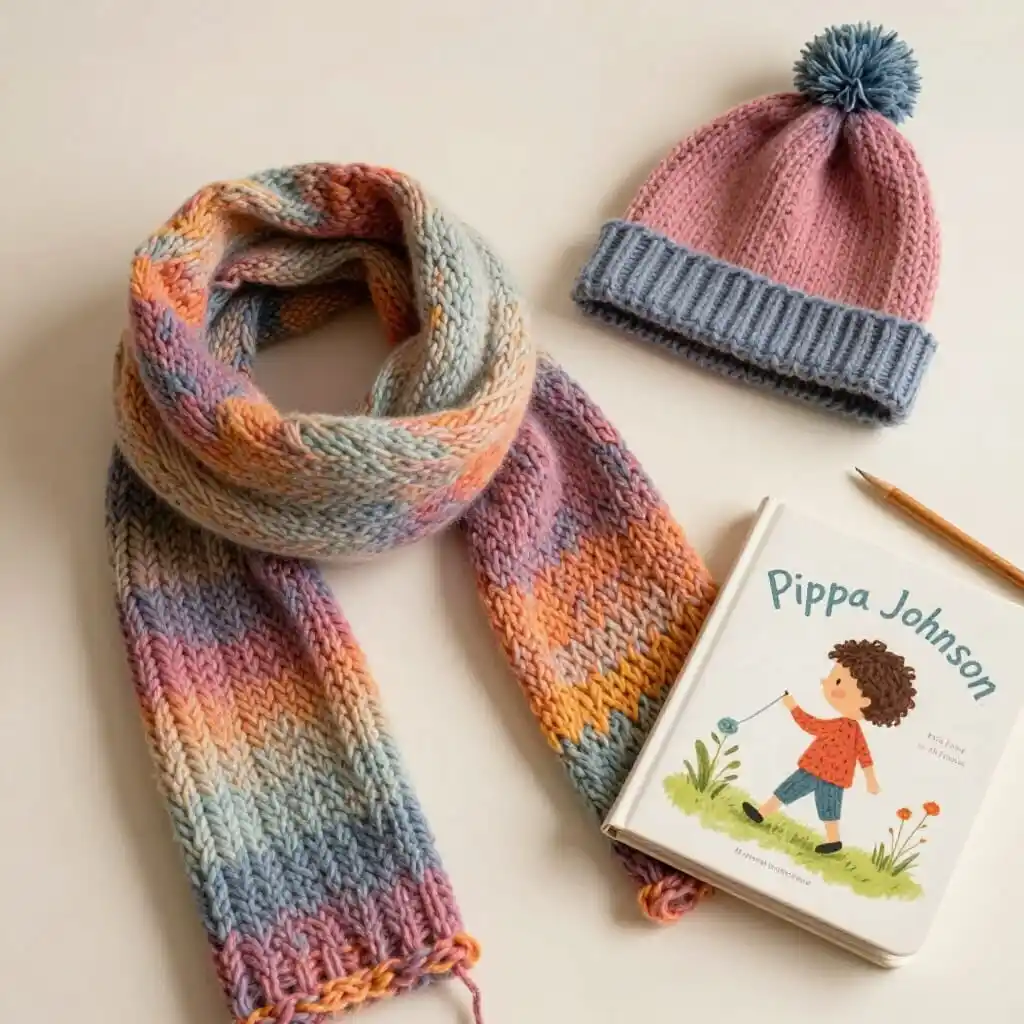
Comparison Table: Beginner-Friendly Yarns
| Yarn Type | Beginner Benefits | Drawbacks | Recommended Project |
|---|---|---|---|
| Thick Cotton | Soft, consistent, easy to knit | Less warm than wool | Scarves, small blankets |
| Acrylic | Very soft, colorful, machine washable | Less breathable | Beanies, amigurumi, scarves |
| Soft merino wool | Warmth, comfort | Delicate washing | Beanie, simple sweater |
| Wool-Acrylic Blend | Comfort + easy care | Less natural | Sweaters, cardigans, scarves |
This table helps you quickly visualize which yarns are best suited to your preferences and the type of project you want to create.
Tips for Success in Your First Projects
To progress quickly, choosing the right yarn isn’t enough. Your needles play a crucial role: wooden or bamboo needles provide a bit more grip, preventing stitches from sliding off too quickly. It is also advisable to start with simple stitches like garter stitch or stockinette. These basics allow you to get a feel for yarn tension and stitch consistency.
Understanding yarn labels is also a key step. Yardage, weight, and gauge (stitches per inch/cm) all influence the final result. For your first projects, don’t hesitate to knit a small swatch: it will give you a precise idea of the size and density of your knitting.
Common Mistakes to Avoid with Beginner Yarn
Many beginners start with very thin yarn or a complex blend, thinking the color or texture will make the project look professional. In reality, these yarns require experience to master. A yarn that is too delicate can be difficult to manipulate and may lead to frustration.
Another common mistake is mixing several types of yarn in the same project without prior experience. Differences in tension and elasticity can create irregularities. Finally, neglecting yarn care from the start can turn a promising project into a disaster after the first wash. Keep it simple for your first pieces: a good beginner yarn and an appropriate project.
FAQ – Yarn for Beginners
Which yarn is the easiest for a beginner?
To start, I recommend a soft, consistent yarn, such as thick cotton or acrylic, which glides well on the needles and doesn’t snag.
Should I choose natural or synthetic yarn?
Both have advantages: natural wool is warm and comfortable, while synthetic is easy to maintain and comes in many colors. For a beginner, a blend can be the ideal choice.
How do I wash my first knitted piece without ruining it?
Always follow the label! For delicate yarns, hand-washing is preferred. Synthetic yarns or acrylic blends can often go in the machine on a delicate cycle.
What yarn weight is ideal for a first project?
A medium or thick weight (DK or worsted) is the easiest to knit with, as it allows you to see your stitches clearly and learn more quickly.
Can I knit a sweater as a beginner?
Yes, but choose a consistent yarn and a simple pattern. To learn more, you can visit our dedicated page on which yarn to choose for a sweater.
Choosing your first yarn is an exciting and decisive moment for any beginner. The key is to prioritize pleasure, softness, and ease of use. With the right yarn and a few simple tips, every beginner can experience the joy of seeing their first project take shape, stitch by stitch. Don’t be afraid to explore and experiment: the most important thing is to enjoy yourself and create your first knitted memories. To expand your knowledge and explore all existing fibers, I highly recommend our complete yarn guide.
See also
