
Knitting is more than just a hobby; it’s an art, a way to create one-of-a-kind pieces, and a means of reconnecting with tactile materials. At the heart of every creation is the knitting yarn—the fiber that has enveloped and protected us for millennia, offering an infinite variety of textures, colors, and sensations. Understanding your yarn, knowing how to choose it, and mastering how to work with it is essential to ensuring your projects are both beautiful and durable.
Understanding Knitting Yarn
Knitting yarn is derived from animal hair, primarily sheep, but also from alpaca, cashmere, angora, or even llama. It is prized for its ability to retain heat, its resilience, and its natural elasticity, which allows garments to hold their shape over time and through multiple washes. Fibers vary depending on the animal and the breed, resulting in different textures and finishes. Merino wool, for example, is extremely soft and perfect for sweaters worn directly against the skin, while Shetland or lambswool provides the sturdiness ideal for outerwear.
Your choice of yarn also depends on the type of project. A baby scarf benefits from a soft, hypoallergenic yarn like Merino, whereas an adult sweater might benefit from the durability of a thick merino-acrylic blend.
Did you know?
The domestication of sheep for wool dates back approximately 10,000 years to Mesopotamia. At that time, wool was a symbol of wealth and social status, used to craft warm, long-lasting clothing.
Natural vs. Synthetic Fibers
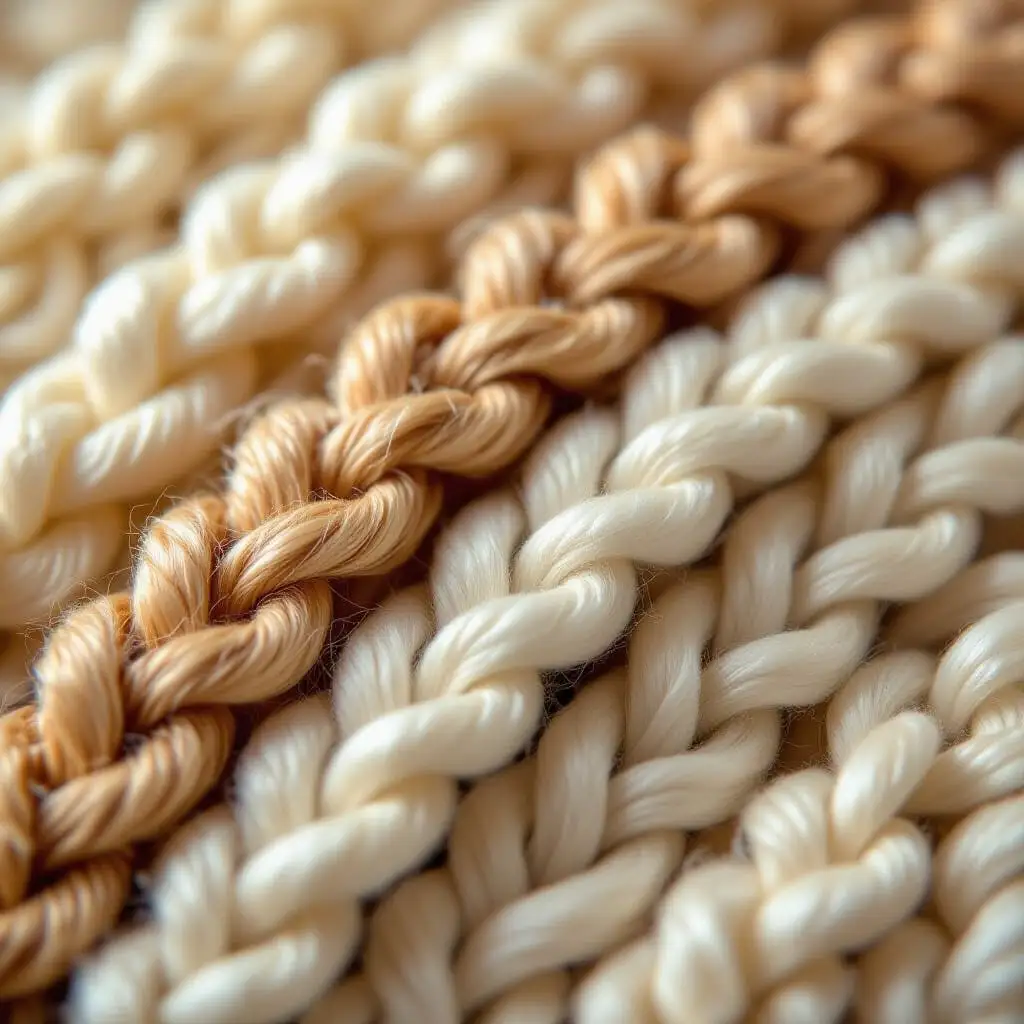
Knitting yarns are generally divided into two main families. Natural yarns, sourced primarily from sheep, alpaca, or cashmere, offer softness, warmth, and breathability. However, they often come at a higher cost and require delicate care to avoid felting or shrinking. Conversely, synthetic yarns, composed of acrylic, nylon, or polyester, are more affordable, easier to maintain, and resistant to moths, though they can be less breathable and less comfortable against the skin.
Deep Dive: Elasticity and Wash Resistance
When choosing a yarn, it is essential to consider its elasticity and how it holds up after washing. A yarn with sufficient elasticity allows your stitches to keep their shape and ensures that patterns remain crisp. Meanwhile, a wash-resistant fiber guarantees that your project maintains its appearance and texture even after repeated wear. This is particularly important for sweaters and accessories that are worn frequently.
| Characteristic | Natural Wool | Synthetic Fiber (Acrylic/Polyester) |
|---|---|---|
| Feel/Hand | Plush, slightly elastic, and sometimes a bit “grippy.” | Very smooth, can feel slightly “plastic” or squeaky. |
| Appearance | Irregular with small natural halos (fibers of varying lengths). | Very regular, uniform and smooth throughout. |
| Structure (Microscope) | Presence of scales (cuticles) that overlap like roof tiles. | Smooth, cylindrical surface, similar to a glass tube. |
| Burn Test | Burns slowly and self-extinguishes. Smells like burning hair. | Melts quickly, forming a hard plastic bead. Chemical smell. |
Yarn weight directly influences the final result and the choice of needles. Fine yarns, known as Fingering or DK, are generally knit with 2.5mm to 4mm needles and are suitable for socks or delicate sweaters. Medium weights, such as Worsted, are ideal for classic cardigans and sweaters, using 4mm to 5mm needles. Thick yarns, like Chunky or Bulky, are perfect for voluminous scarves or sweaters that knit up quickly, requiring 6mm to 8mm needles. Always check your gauge and the label for the yardage/meterage per 100g to ensure the yarn matches your pattern and intended project.
Deep Dive: Eco-Friendly Yarns
Today, many brands offer yarns from sheep raised without pesticides or recycled yarns made from repurposed sweaters. These initiatives help reduce environmental impact while maintaining the quality required for knitting.
Choosing the Right Yarn for Your Project
Selecting your yarn depends on the type of garment, the season, and the desired level of softness. Winter sweaters and cardigans require a thick, warm yarn like Merino or alpaca. Scarves and beanies benefit from the extreme softness of cashmere or angora, while socks require a finer but stronger yarn, often blended with nylon.
Merino, in addition to being soft, is very breathable and elastic, making it perfect for winter sweaters worn against the skin without causing itchiness. Alpaca, which is softer, offers a silky feel, while mohair—light and fluffy—adds volume and texture to creations. Plant-based fibers like cotton, linen, or bamboo are ideal for summer projects due to their lightness and breathability, but they are less elastic. It is often recommended to blend them with a bit of wool to help the knit maintain its structure.
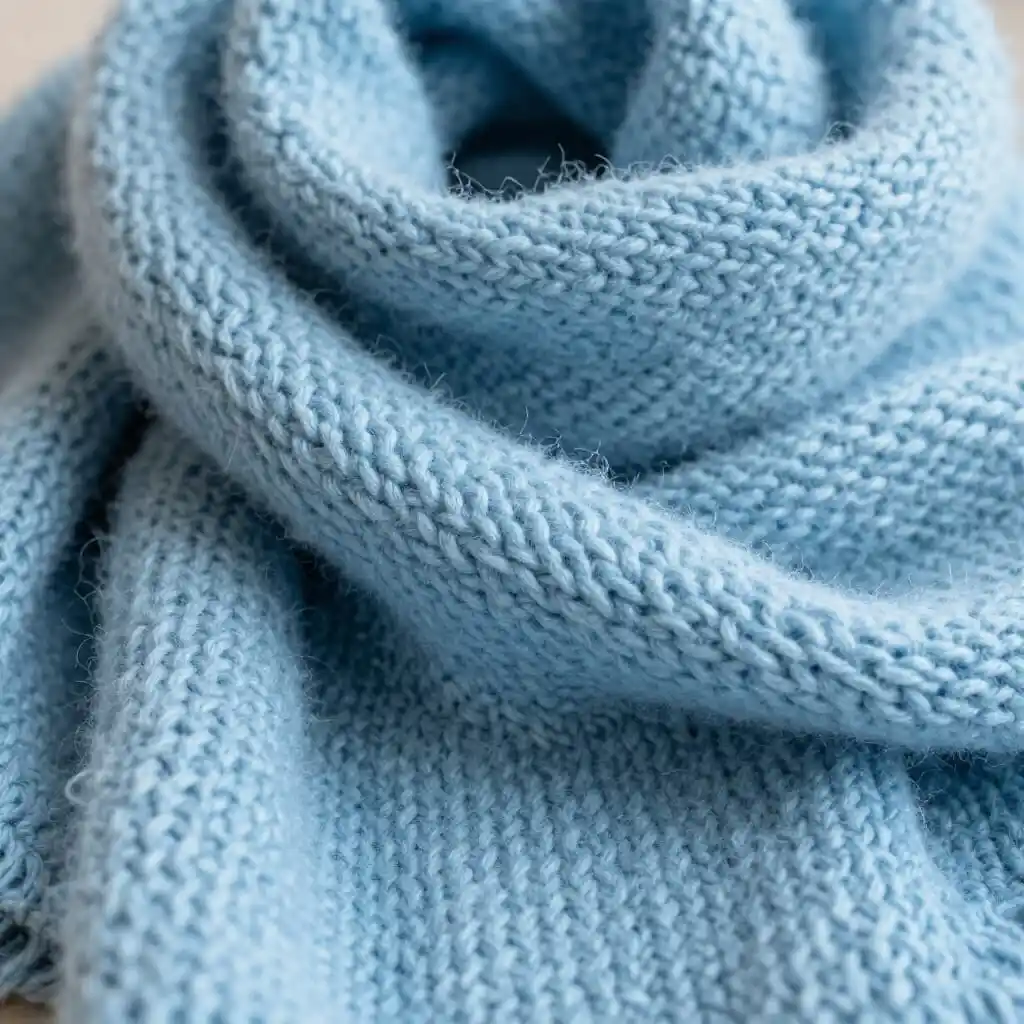
To give you an example, I recently knit a scarf for my nephew using light blue merino wool. The fiber was so soft that even after several washes, the piece didn’t pill and has become his favorite winter accessory.
Types of Knitting Yarn and Fibers
Synthetic yarns, such as acrylic, are known for their ease of care and affordability. They are perfect for beginners and projects intended for heavy, everyday use, although they are generally less breathable than natural fibers. For creations that combine comfort and durability, many knitters opt for blends of synthetic and natural wool.
Yarn is also categorized by weight and texture, which influences the final look of the project. Fine yarns, called “fingering,” are perfect for socks and delicate work. Medium yarns, or DK, are suitable for lightweight sweaters and accessories, while thicker yarns, or “worsted,” allow for the creation of warm, sturdy sweaters and blankets. Super bulky yarns offer the advantage of quickly completing oversized scarves and throws.
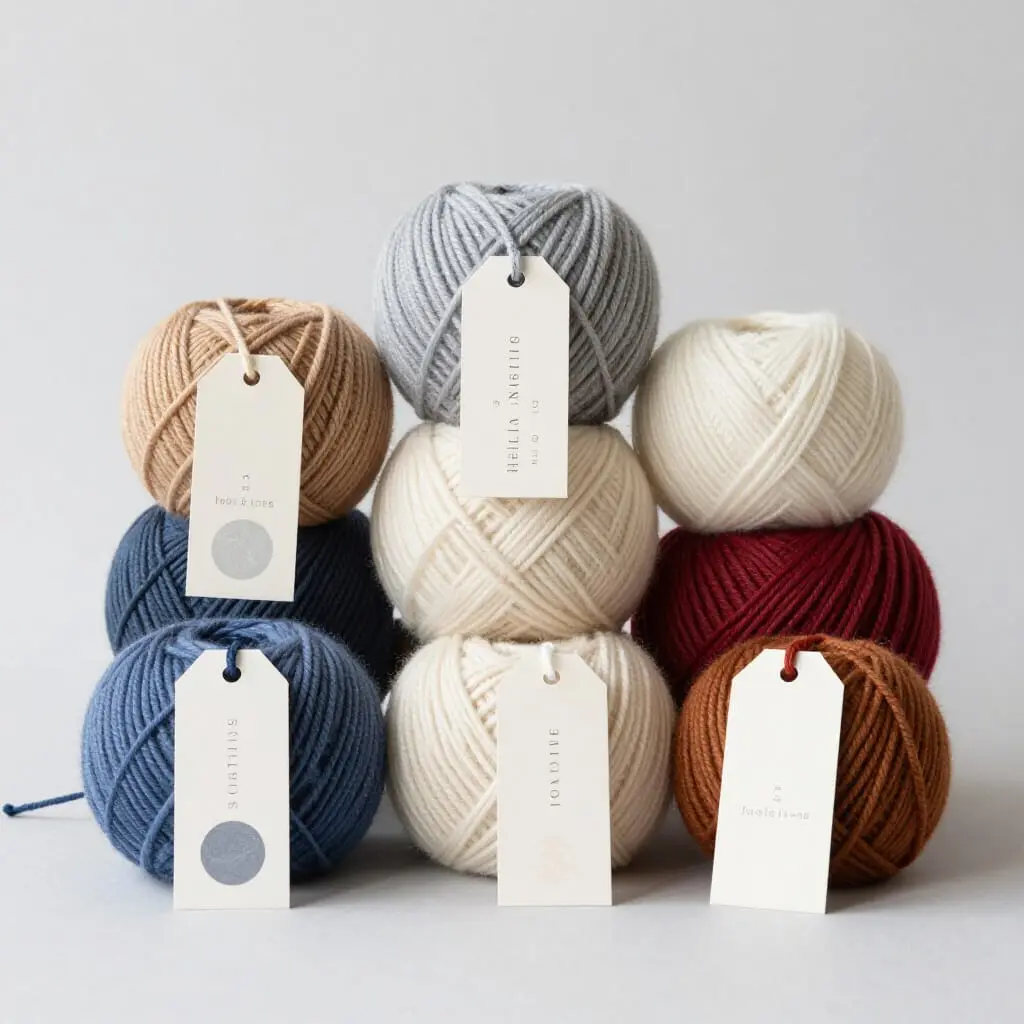
Yarn weight directly affects the outcome and the needle choice. Fine yarns (Fingering/DK) are suited for socks and delicate sweaters, requiring 2.5mm to 4mm needles. Medium yarns, like Worsted, fit classic cardigans and sweaters with 4mm to 5mm needles. Thick yarns, such as Chunky, are perfect for voluminous winter scarves or sweaters and knit up quickly using 6mm to 8mm needles. Always checking your gauge and the label (meters per 100g) helps ensure the project matches the pattern and the desired size.
For beginners, some yarns are easier to work with. Acrylic is affordable and glides easily over the needles, allowing you to complete your first projects without frustration. Merino wool, natural and supple, is also an excellent choice. It is advisable to avoid very “hairy” or slippery yarns like angora, which can make it difficult to master your stitches.
For more experienced knitters, novelty yarns and technical blends offer endless creative possibilities. Wool-silk or alpaca-merino blends provide incomparable softness and lightness, while twisted, chenille, or gradient yarns allow you to play with color and texture. For example, a sweater made with a twisted gradient yarn can create an elegant ombre effect without having to change yarns at every row.
How to Choose Your Knitting Yarn
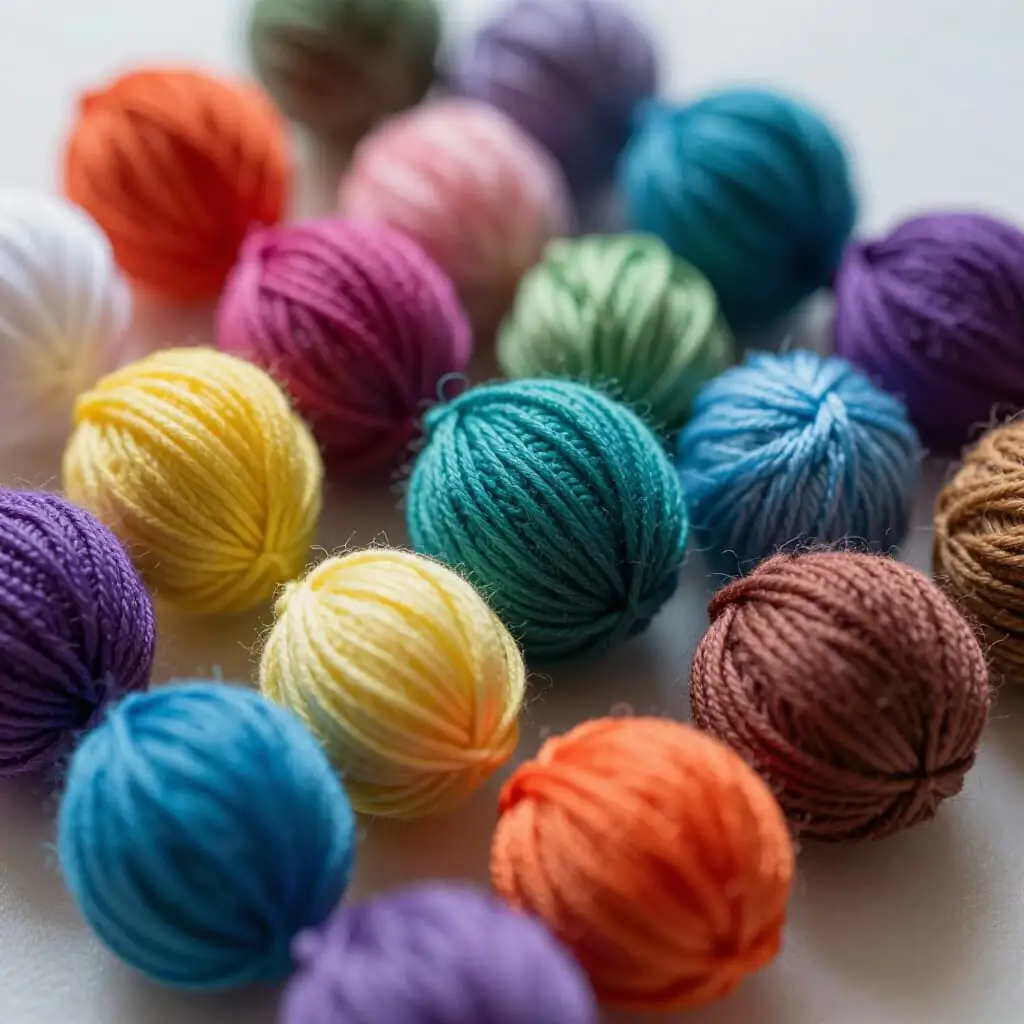
Choosing your yarn isn’t just about taste. The weight, texture, composition, and how it fits the knitting pattern determine the success of the project. For an adult winter cardigan, for instance, a thick Merino or merino-acrylic blend is ideal, offering warmth, comfort, and ease of care.
The choice between natural and synthetic wool depends on your priorities: warmth, softness, and eco-friendliness for the former; ease of care and price for the latter. In some European markets, approximately 70% of the wool sold is natural, while 30% is synthetic or a blend.
Alpaca and mohair deserve special mention. Alpaca, very soft, provides a feeling of lightness and warmth, while mohair, more fluffy, adds volume and an airy texture to knits. Plant-based fibers, such as cotton, linen, or bamboo, are perfect for summer projects due to their breathability, but they lack elasticity; therefore, it is often advised to pair them with a bit of wool to maintain the structure of the garment. Synthetic fibers, such as acrylic, remain economical, easy to maintain, and suitable for beginners or high-wear projects, though they are less breathable than natural wool.
Knitting Tips Based on Your Skill Level
For beginners, it is recommended to choose soft, thick yarns like acrylic or merino to make manipulating stitches easier. Intermediate knitters can explore simple novelty yarns or wool-synthetic blends. Experts can dive into fine yarns or complex techniques such as jacquard, lace, or cables. A common mistake is failing to check the gauge or choosing a yarn that is too difficult for one’s current skill level, which can negatively impact the final result.
Care and Storage
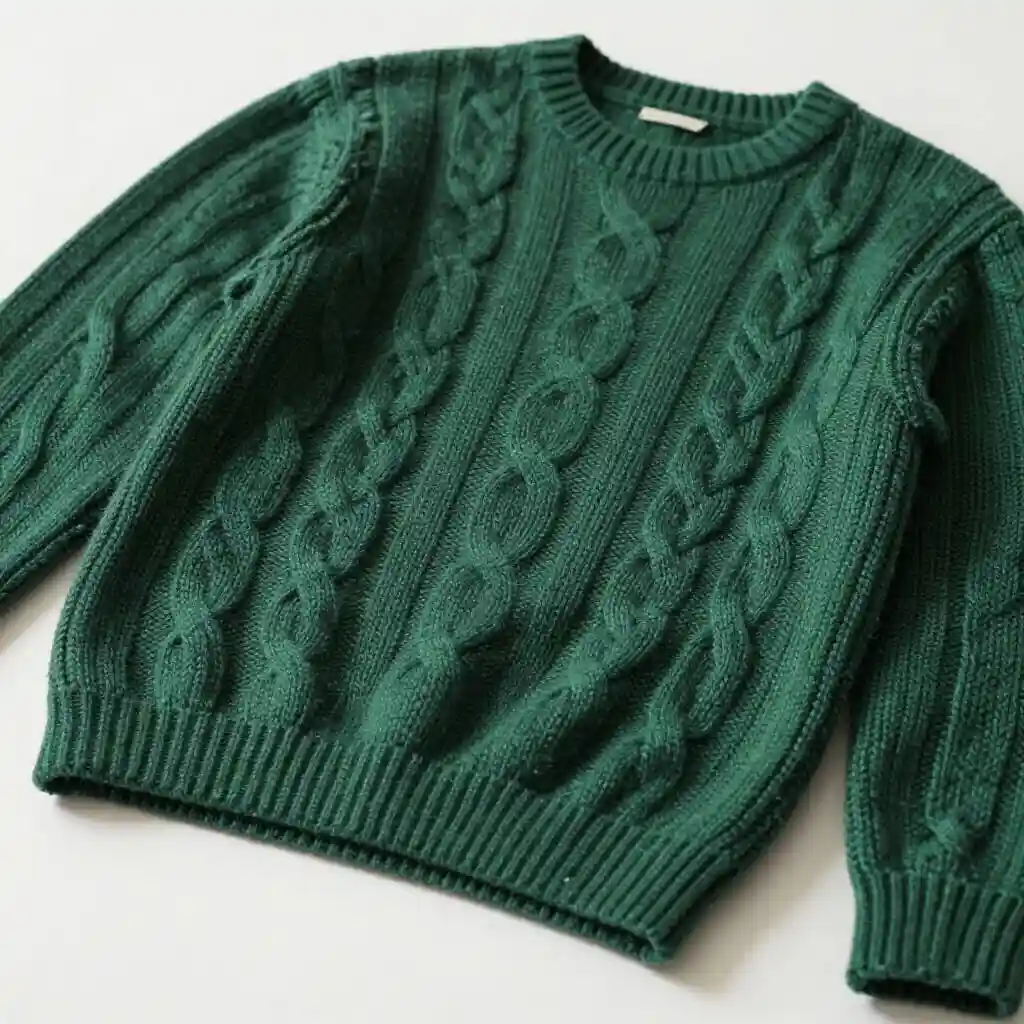
Proper care is crucial for the longevity of your yarn. Most natural wools require a gentle hand wash or a machine wash on a delicate wool cycle, without spinning, and should be dried flat to avoid deformation. Storage should be careful, away from moisture and moths; adding lavender or cedar sachets can provide natural protection.
FAQ – Knitting Yarn
What yarn should I choose for a winter sweater?
Merino wool or a thick merino/acrylic blend is ideal for combining warmth and comfort.
What are the differences between natural and synthetic yarn?
Natural yarn is breathable, soft, and eco-friendly, while synthetic yarn is easier to maintain and more economical.
How do I choose the best knitting yarn for a beginner?
Opt for soft, thick yarns like acrylic or merino to make learning the stitches easier.
What are the most popular knitting yarns?
Merino wool, alpaca, acrylic, and blended yarns are the most popular for combining comfort and durability.
Can I use fine yarn for a winter project?
Yes, but you will need to use a tight gauge or layer the garment to retain heat.
How do I care for knitted wool without damaging it?
Prioritize gentle washing, drying flat, and storing it in a place protected from moths.
Which yarn is best for a soft baby scarf?
Merino wool or cashmere is perfect as they are soft and hypoallergenic.
Where can I buy high-quality yarn?
Look for local yarn shops (LYS), specialized boutiques, or reputable online retailers.
Sources and References
- French Institute of Fashion – Studies on textile fibers and comfort.
- FAO – Technical sheets on wool.
See also
