
Knitting for a baby is a beautiful blend of tenderness and attention to detail. I still remember the first sweater I made for my little niece: every stitch felt like a caress, every row a small promise of comfort and warmth. Choosing the right baby yarn isn’t just about softness; it’s about ensuring our creations are safe, comfortable, and easy to maintain for the little ones. This guide complements my complete guide to yarn for all your knitting projects by focusing specifically on the unique needs of babies.
Why Choose a Specialized Baby Yarn?
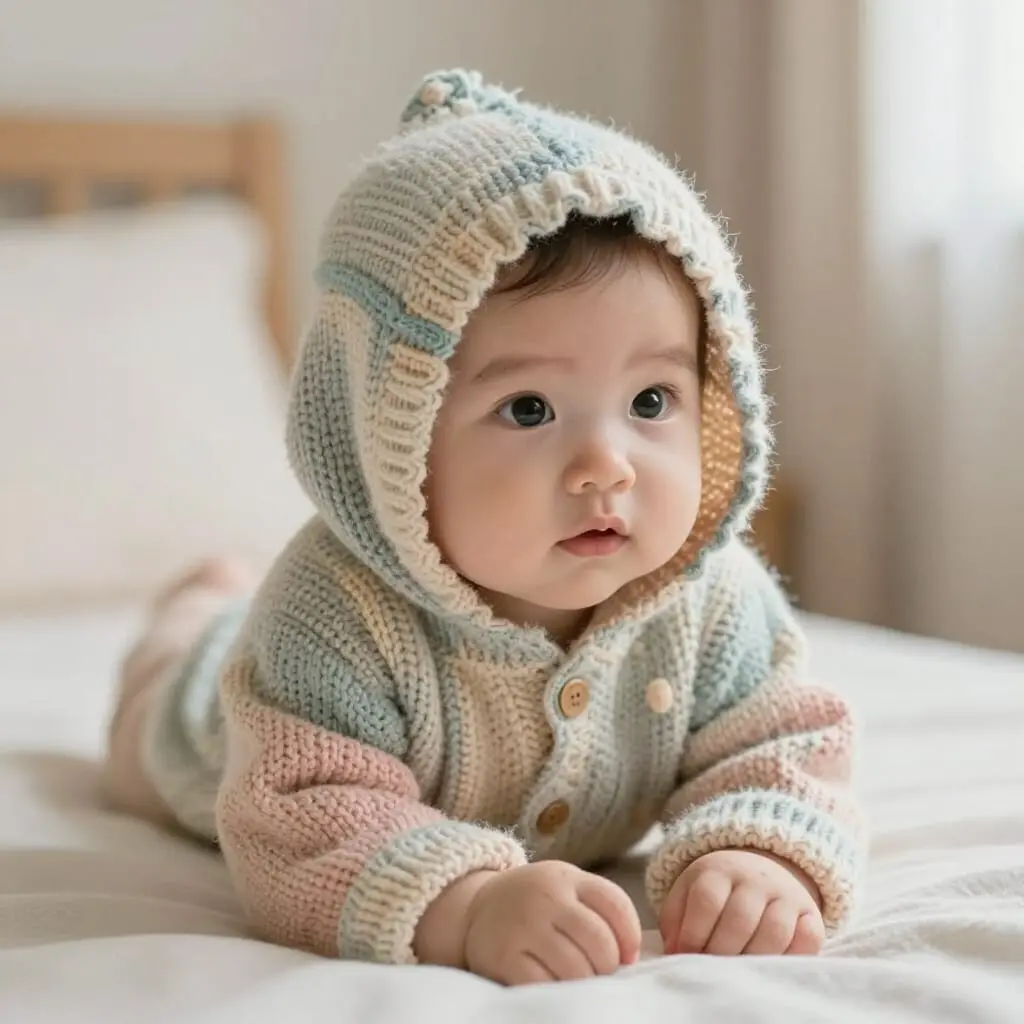
When it comes to knitting for infants, every detail matters. The yarn you choose can turn a garment into a cozy cocoon or, conversely, cause skin irritation. Therefore, it is essential to understand the criteria that distinguish baby-safe yarn from standard wool.
Essential Criteria for Baby Yarn
Before even thinking about your knitting pattern, you must evaluate the softness of the fiber. A scratchy or coarse fiber, even if it’s lightweight, can cause itching on a baby’s fragile skin. The yarn should also be hypoallergenic and free from harsh chemical treatments. Finally, consider maintenance: babies get messy quickly, so it is best to choose yarns that are machine washable at low temperatures and retain their softness after multiple washes.
The Best Types of Yarn for Babies
Among the softest and most popular fibers for babies, merino wool is a timeless classic. It is extremely fine, silky, and non-itchy. Baby alpaca offers a enveloping warmth without irritating the skin. For those who prefer a low-maintenance option, certain baby-specific acrylic yarns are designed to mimic the softness of natural fibers while being durable and machine washable. Finally, wool-cotton blends provide lightness and breathability, making them perfect for transitional season wear.
| Yarn Type | Softness | Care | Warmth | Hypoallergenic | Ideal for… |
|---|---|---|---|---|---|
| Merino | Very soft, silky | Hand wash or delicate machine cycle | Warm but breathable | Yes | Sweaters, cardigans, blankets |
| Baby Alpaca | Extremely soft, fluffy | Hand wash recommended | Very warm | Yes | Winter sweaters, cozy blankets |
| Baby Acrylic | Soft wool-like feel, light | Machine washable, quick drying | Moderate | Yes, allergen-free | Hats, booties, everyday accessories |
| Wool/Cotton Blend | Soft, slightly textured | Delicate wash | Light, breathable | Generally yes | Mid-season clothing, light accessories |
How to Choose Yarn Based on Your Baby Project
The choice of yarn doesn’t depend on softness or ease of care alone; it also depends on the type of project you have in mind. Every creation deserves its ideal fiber.
For Clothing (Sweaters, Cardigans, Dresses)
When knitting garments for daily wear, the yarn should be supple and slightly stretchy to move with the baby. Pastel or neutral colors are often preferred, as they are easy to coordinate and soothing for a baby’s eyes.
For Accessories (Hats, Booties, Blankets)
| Project | Ideal Yarn Type | Why? | Difficulty |
|---|---|---|---|
| Hat | Merino or Soft Cotton | Won’t scratch the forehead, regulates heat. | ⭐ (Beginner) |
| Booties | Stable yarn or Alpaca | Keeps feet warm without slipping. | ⭐⭐ (Intermediate) |
| Sweater | Treated “Baby” yarn (Superwash) | Withstands frequent machine washing. | ⭐⭐⭐ (Advanced) |
Accessories require special attention: the yarn must be lightweight yet warm, as a baby’s thermoregulation is delicate. It is also important to choose simple, smooth stitches to avoid friction or snags. For blankets, the yarn needs to be soft but also resistant to frequent washing. In this case, a blend of merino wool and cotton or a baby-specific acrylic yarn can be ideal for maintaining both flexibility and softness.
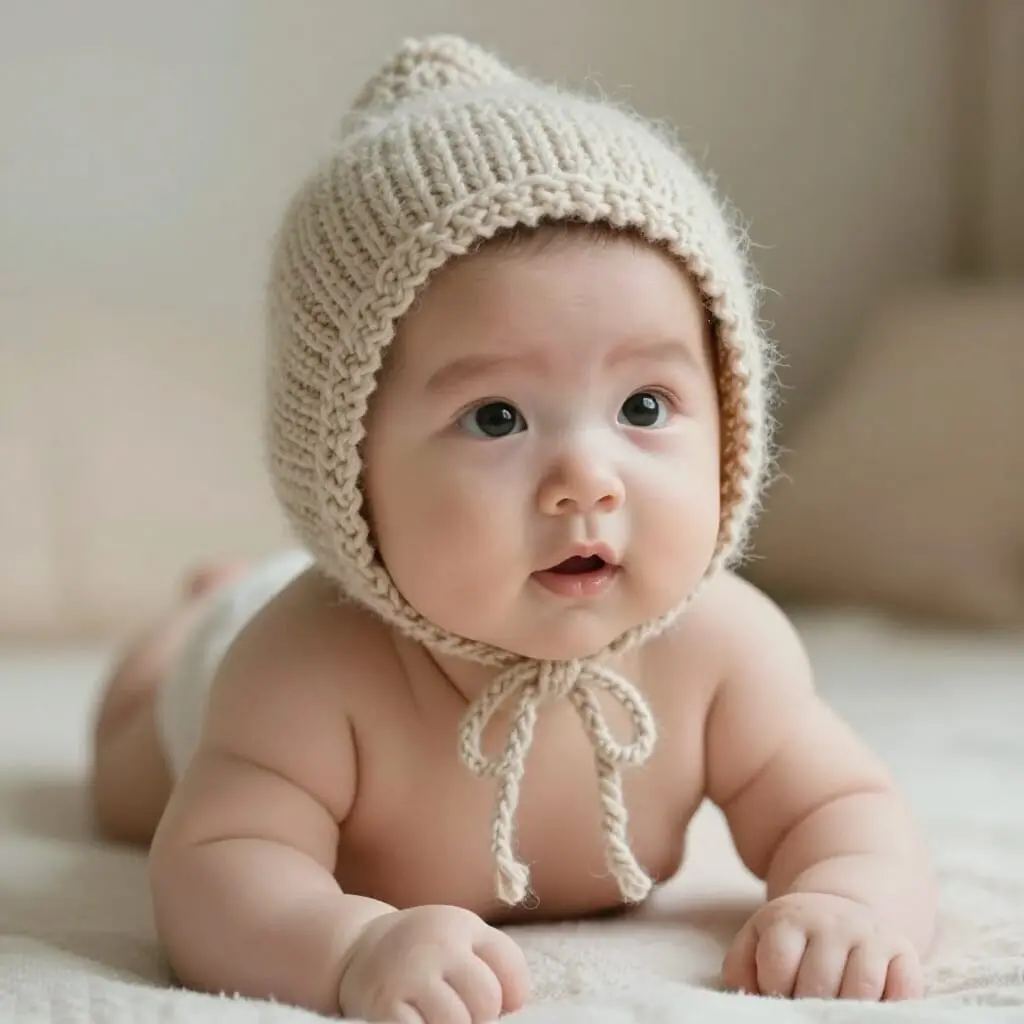
To complete a set, don’t hesitate to add a matching accessory, such as a hat; you can find a great selection of yarns for knitting hats on this page dedicated to hats.
Tips for Knitting Safely for Babies
Knitting for a baby is about more than just picking the right yarn; the technique and the care put into the construction are just as important.
Avoiding Irritation and Allergies
Always wash your yarn before you start knitting. Even yarns labeled “baby soft” can contain production residues. Also, avoid overly coarse or chemically treated wools. These simple precautions minimize any risk of irritation.
Adapted Knitting Techniques
For baby knits, stick to simple and regular stitches. Smooth surfaces are ideal to prevent the fabric from catching on fragile skin. If you use patterns, opt for soft textures without holes or aggressive reliefs.
Caring for Baby Knitwear
The durability and beauty of your knits depend on proper care. A well-maintained garment will stay soft and comfortable for a long time.
Washing and Drying
Baby yarns are ideally washed by hand or on a delicate cycle at a low temperature. Use a mild detergent, free of fragrances or aggressive enzymes. Drying flat is preferred to prevent the garments from losing their shape. Even acrylic yarns can wrinkle if dried incorrectly, so it is essential to follow these precautions.
Storage and Preservation
Baby knits should be stored in dry places away from direct sunlight. Breathable garment bags or cardboard boxes with acid-free tissue paper help keep the yarn intact, preventing it from flattening or losing its bounce.
Where to Buy Quality Baby Yarn?
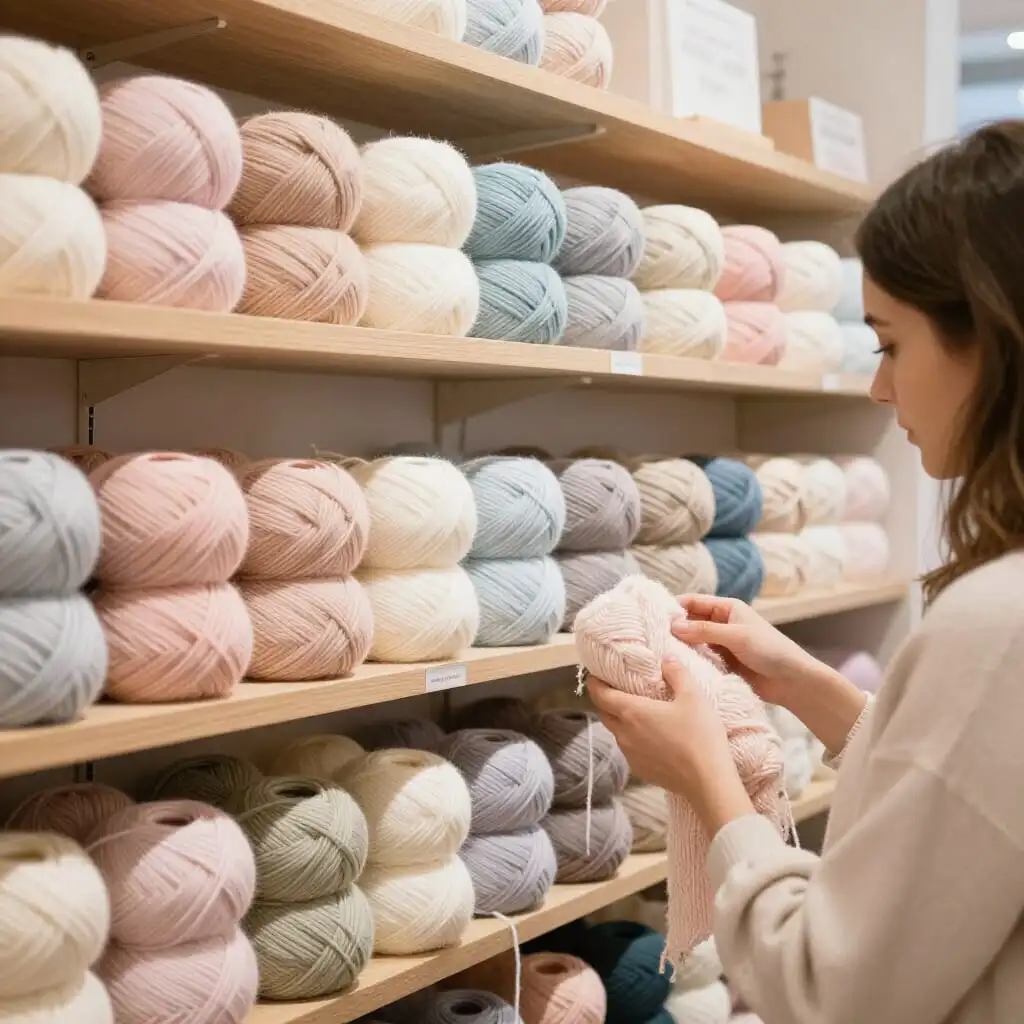
There are several options for finding high-quality baby yarn. Specialty yarn shops offer a wider and often softer selection, while larger retailers can be convenient for easy-care yarns. For eco-conscious knitters, organic and fair-trade wool is an ideal choice. To explore more yarn varieties and deepen your knowledge, feel free to consult my complete guide to yarn, which details every fiber and its uses.
Baby Yarn Quick FAQ
What is the softest yarn for a newborn?
Merino wool and baby alpaca are the most suitable for newborns due to their fineness and extreme softness.
Can I machine wash a baby wool sweater?
Yes, but only if the yarn is specifically labeled as machine washable. Otherwise, stick to hand washing at low temperatures to avoid felting.
How can I prevent the yarn from scratching the baby’s skin?
Wash the yarn before use, choose fine fibers, and use smooth, regular stitches in your patterns.
What yarn weight should I choose for a baby hat?
A light to medium weight yarn is ideal, as it keeps the baby warm without overheating their fragile head.
Are there eco-friendly yarns for babies?
Yes, many brands offer organic and OEKO-TEX certified yarns, which are perfectly suited for sensitive skin.
Is acrylic yarn suitable for knitting for babies?
Absolutely. Certain baby-specific acrylic yarns are soft, easy to wash, and very durable, making them an excellent choice for accessories and blankets.
Knitting for a baby is a unique pleasure that combines softness, patience, and creativity. Choosing the right yarn is essential to guarantee comfort and safety. Whether it’s a little sweater, a matching hat, or a fluffy blanket, every project deserves special attention, from the choice of fiber to the final care. With this baby yarn guide, you have everything you need to create warm and durable pieces, while exploring other types of yarns for your projects via my complete guide to yarn.
See also
