
When I first started knitting, I quickly realized that choosing beautiful colors or soft fibers wasn’t enough. The element that truly transforms a piece is yarn weight. It determines the drape of a shawl, the warmth of a sweater, or the structure of a beanie. Since then, I’ve developed a real passion for understanding and experimenting with different weights, and I want to share everything I’ve learned with you. This article complements my comprehensive guide to yarn and knitting, but here, we will focus exclusively on yarn weight and its influence on your projects.
What is Yarn Weight and Why is it Essential?
Defining Yarn Weight
Yarn weight (sometimes called yarn thickness or grosseur) refers to the diameter of the knitted strand. We categorize yarns from very fine, such as lace weight, to medium weights like DK or worsted, and thick yarns known as “bulky.” Understanding this classification is fundamental because it influences not only the aesthetic look of your work but also its structure and durability. Contrary to popular belief, the weight indicated on the ball doesn’t always reflect the visual thickness of the yarn, but rather a standardized norm designed to guide knitters.
How Weight Impacts Your Knitting
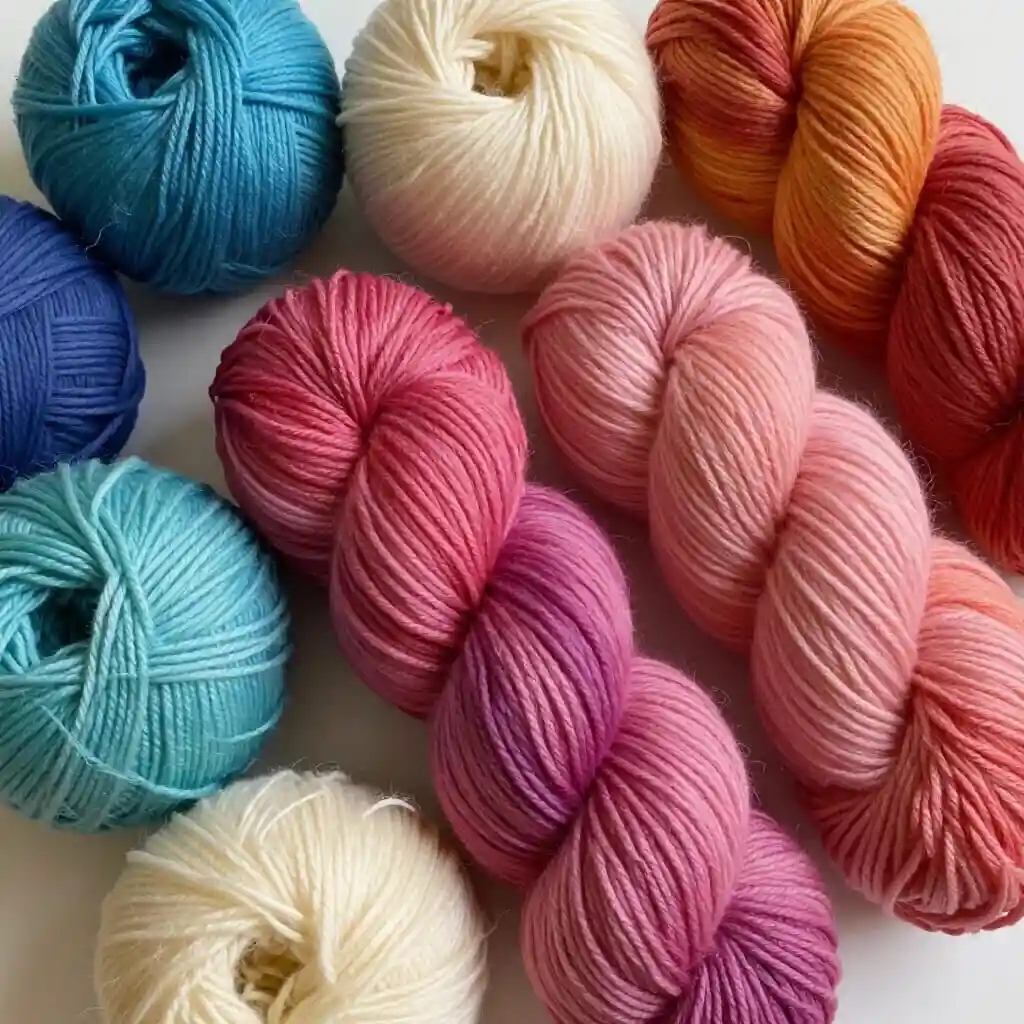
Yarn weight determines the density and drape of your finished piece. A fine yarn produces a delicate result, perfect for shawls or summer garments, while a thick yarn creates voluminous, warm, and cozy pieces—ideal for winter. It also affects how quickly you can knit: bulky yarn allows your project to fly along, whereas lace weight requires patience and precision. Finally, the tactile feel changes: fine yarns feel fluid and airy, while thick yarns feel more comforting and snug. Choosing the right weight is therefore a balance between aesthetics, comfort, and practicality.
| Yarn Weight | Standard Number | Recommended Needles | Typical Projects |
|---|---|---|---|
| Lace | 0-1 | 2-3 mm | Shawls, lace, fine scarves |
| Fingering | 1-2 | 2.5-3.5 mm | Light sweaters, socks, baby accessories |
| Sport | 2-3 | 3-4 mm | Children’s sweaters, small accessories |
| DK | 3-4 | 3.5-4.5 mm | Sweaters, cardigans, shawls |
| Worsted | 4 | 4.5-5.5 mm | Sweaters, beanies, scarves |
| Aran | 4-5 | 5-6 mm | Textured sweaters, winter accessories |
| Bulky | 5-6 | 6-8 mm | Blankets, chunky sweaters, oversized accessories |
| Super Bulky | 6-7 | 8 mm and up | Throws, extra-thick scarves, quick projects |
How to Choose the Right Yarn Weight for Every Project
Based on Your Needles and Stitches
A successful project depends as much on the yarn weight as it does on the choice of needles and the type of stitch. For example, a complex cable stitch may get lost visually on a yarn that is too fine, while a simple stitch on a thick yarn can become too chunky. To help you, I’ve created a practical guide on yarn and needle pairing. There, you’ll find how to adjust your tools to achieve exactly the look you want. Experimentation remains key: knitting a gauge swatch is always the best way to visualize the final effect.
Based on the Type of Project
The nature of the project also dictates the choice of weight. For a light summer sweater or a delicate shawl, opt for a fine yarn that provides fluidity and lightness. For winter accessories, blankets, or throws, a thick yarn will provide immediate warmth and comfort. Baby items often require a soft, slightly thicker yarn to ensure warmth without irritating fragile skin. Experience shows that a harmonious knit results from a consistency between the yarn, the pattern, and the final use.
Standards and Yarn Weight Classifications
International Categories
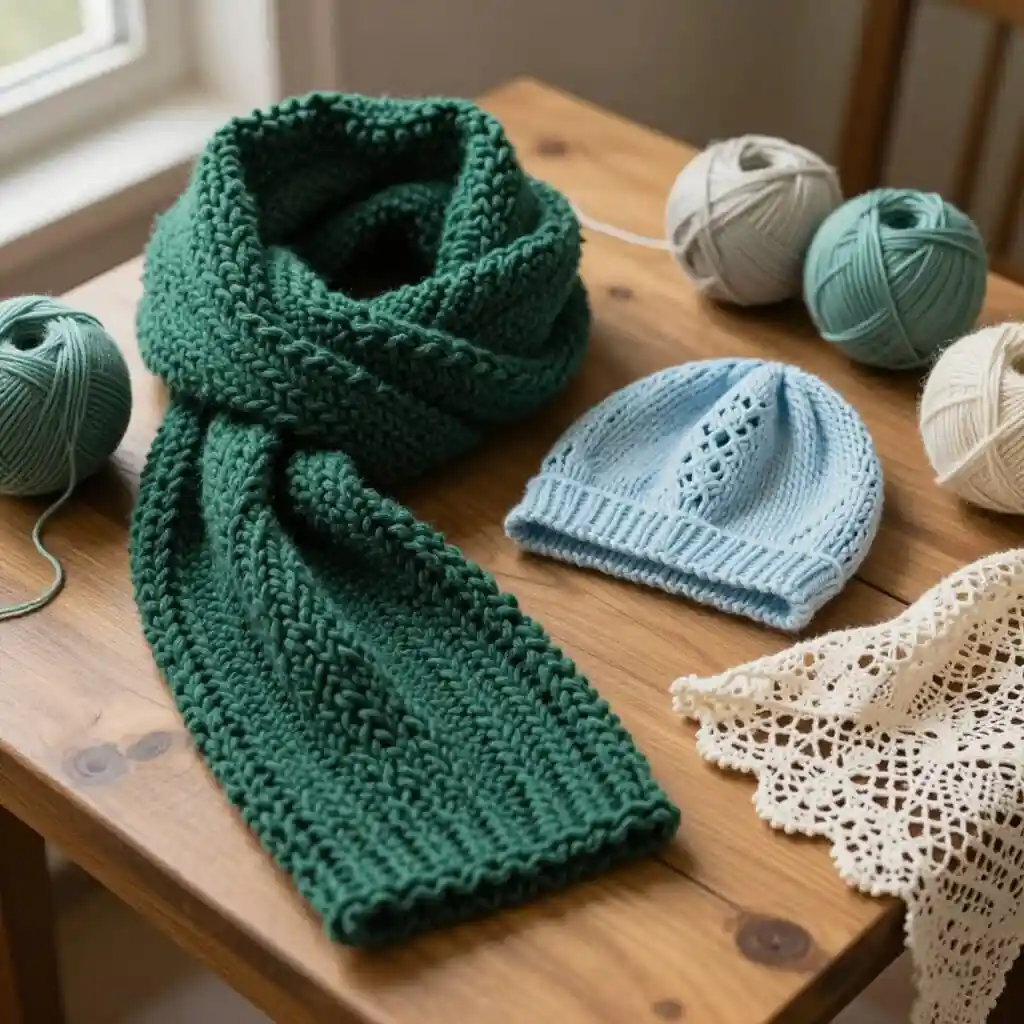
To standardize creations, manufacturers have established guidelines. In the US, the term “yarn weight” is used, with categories ranging from lace to super bulky. In Europe, you’ll find similar benchmarks, though they are sometimes expressed differently. These classifications help you choose the right yarn, especially when following an international pattern or buying wool online.
How to Read Your Yarn Label
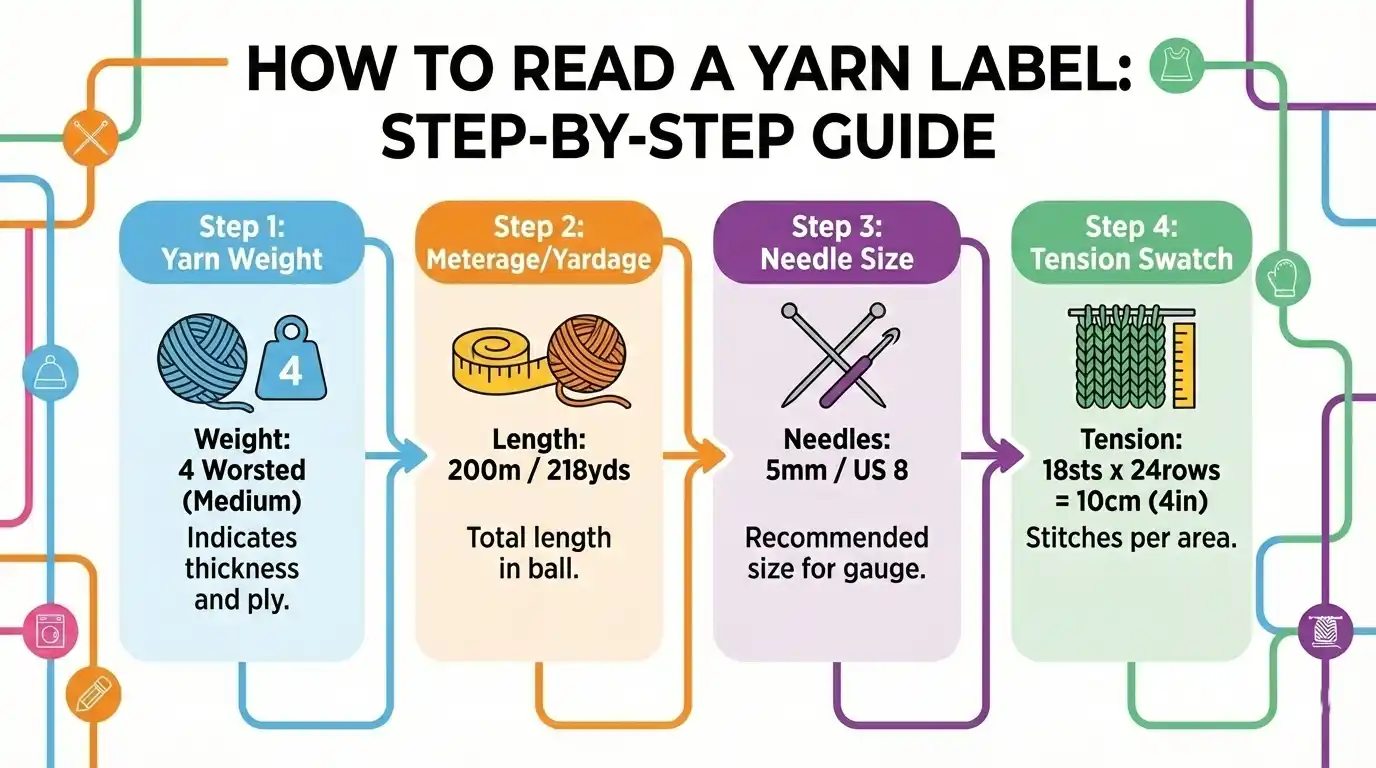
Every skein contains essential information: the yarn type, the yardage/meterage, the recommended needle size, and sometimes the gauge. Reading this information correctly helps you avoid unpleasant surprises. For example, a yarn labeled “worsted” may appear thinner or thicker depending on the manufacturer, which is why it’s crucial to check your gauge on a swatch. With a bit of practice, these labels become valuable guides for experimenting and creating perfectly fitted pieces.
Pro Tips for Experimenting with Yarn Weight
Tips and Tricks for Varying Textures
One of my favorite things is playing with textures. You can hold two yarns of different weights together to create a unique effect, or combine several types of stitches on a thick yarn to add dimension. Consistent tension and the choice of appropriate needles remain essential for a harmonious result. The gauge swatch is your best friend: it allows you to adjust your tension and anticipate the final look.
Mistakes to Avoid
Choosing a yarn that is too fine for a large-scale motif or mismatching the yarn/needle pairing are common errors. These can turn a promising project into a disappointing result. But don’t worry—even if you make a mistake, it’s always possible to fix it by adjusting your needle size or changing the yarn weight halfway through. Knitting is, above all, an art of experimentation and pleasure.
FAQ – Yarn Weight Questions
What is the difference between fine and thick yarn?
Fine yarn is delicate and light, ideal for shawls and summer clothing. Thick yarn is more voluminous, warmer, and faster to knit, making it perfect for throws and winter accessories.
How do I know if my project requires Bulky or DK yarn?
It depends on the desired result. Patterns usually specify the yarn category. If not, knitting a swatch can help you visualize the overall size and density of the project.
Can I mix two yarns of different weights?
Yes, this creates an interesting textured effect. You just need to adjust your needle size and test it on a swatch to avoid irregularities.
Does yarn weight affect how warm a garment is?
Absolutely. The thicker the yarn, the denser and more insulating the knit. However, the type of fiber used also plays a significant role.
How should I adjust my needles if I change yarn weights?
Generally, a finer yarn requires smaller needles, and a thicker yarn requires larger needles. Always verify your gauge with a swatch.
Yarn weight isn’t just a technical detail; it transforms the piece, influences its texture and warmth, and guides our creative choices. With a little curiosity and experimentation, you’ll learn how to choose the perfect yarn for every project. To deepen your knowledge of wool, fibers, and care, feel free to consult my comprehensive guide to yarn and knitting. With these tips, choosing your yarn weight becomes a true pleasure and opens the door to endless creations.
See Also
