
For me, fingering weight yarn is where lightness meets elegance in the world of knitting. When I first started exploring fine yarns, I was fascinated by the delicacy of fingering weight and its ability to turn a simple project into a truly intricate piece of art. Whether it’s for an airy shawl, a lightweight cardigan, or a pair of cozy socks, this yarn has that certain je ne sais quoi that makes it essential for passionate knitters.
If you want to deepen your knowledge of yarns and understand the different types of fibers and their uses, I highly recommend checking out our complete knitting yarn guide, a true bible for choosing the perfect yarn for every project.
What is Fingering Weight Yarn?
Definition and Technical Characteristics
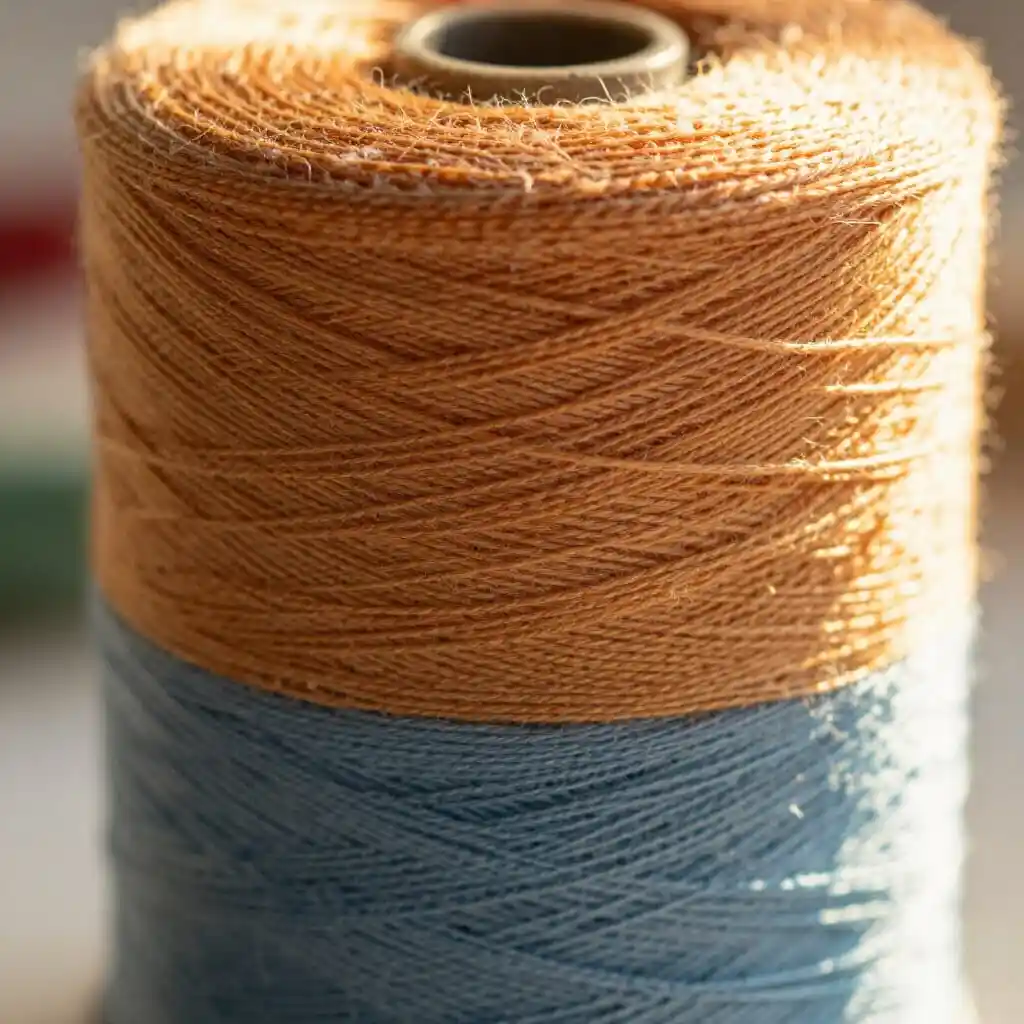
Fingering weight yarn is a fine, lightweight yarn generally used for knitting projects that require delicacy and flexibility. Technically, it sits between lace weight and sport weight, with a thickness that allows for the creation of delicate pieces that are still durable enough to last. Generally, a 100g skein of fingering weight yarn provides between 400 and 450 meters (roughly 435-490 yards), making it ideal for detailed projects.
What really sets fingering weight apart from other categories like DK, Worsted, or Aran is its fineness. DK, Worsted, and Aran yarns—which you can explore in more detail on our dedicated page for DK, Worsted, and Aran yarns—are thicker and create denser textures, whereas fingering weight allows the stitches to breathe and offers an elegant drape. Composition varies: some yarns are 100% merino wool, others blend cotton and silk, or even add a touch of nylon to increase durability, especially for projects like socks.
When and Why Use Fingering Weight Yarn?
Fingering weight is perfect for any project where lightness and finesse are paramount. I love using it for socks, summer cardigans, or delicate shawls. The thinness of the yarn allows for intricate lace patterns or detailed cables without weighing the garment down. For me, knitting with fingering weight is like painting on a delicate canvas: every stitch counts, and the final result is light, soft, and ethereal.
Different Types of Fingering Weight Yarn
Wool, Merino, Cotton, and Blends
The choice of fiber greatly influences the final look and use of the yarn. Merino wool, which is very soft and slightly elastic, is ideal for cardigans or shawls that should contour to the body without feeling restrictive. Cotton provides more structure and a cooler feel, perfect for summer wear or lightweight accessories. Blends—mixing wool with silk, alpaca, or nylon—combine softness, strength, and sheen. Personally, I have a weakness for wool-silk blends, which give shawls a magnificent drape.
Hand-Dyed vs. Commercial Fingering Yarns
Nothing excites me more than discovering a hand-dyed fingering yarn. Each skein is unique, with colors blending softly, adding an artistic touch to the knitting. Conversely, commercial (industrial) yarns offer consistency and uniformity, which are perfect if you want a precise look or are knitting a large project.
Comparison Table: Fingering Weight Yarn Types
| Yarn Type | Ideal Use | Pros | Cons |
|---|---|---|---|
| Merino Wool | Shawls, cardigans | Soft, elastic, comfortable | May felt if washed incorrectly |
| Cotton | Summer wear, light accessories | Breathable, cool | Low elasticity |
| Wool-Silk Blend | Shawls, fine projects | Elegant drape, soft | More expensive |
| Hand-Dyed | Creative projects | Unique colors, artistic effect | Color variation between skeins |
Knitting with Fingering Weight: Tips and Techniques
Needles and Tension
When knitting with fingering weight, you’ll need to get used to fine needles, typically between 2mm and 3mm (US 0 to 2.5). Tension is crucial: if fingering yarn is knit too tightly, it loses its drape; if it’s too loose, the fabric becomes limp. I always recommend knitting a small swatch, especially for cardigans or shawls, to ensure the texture and density match your vision.
Specific Techniques
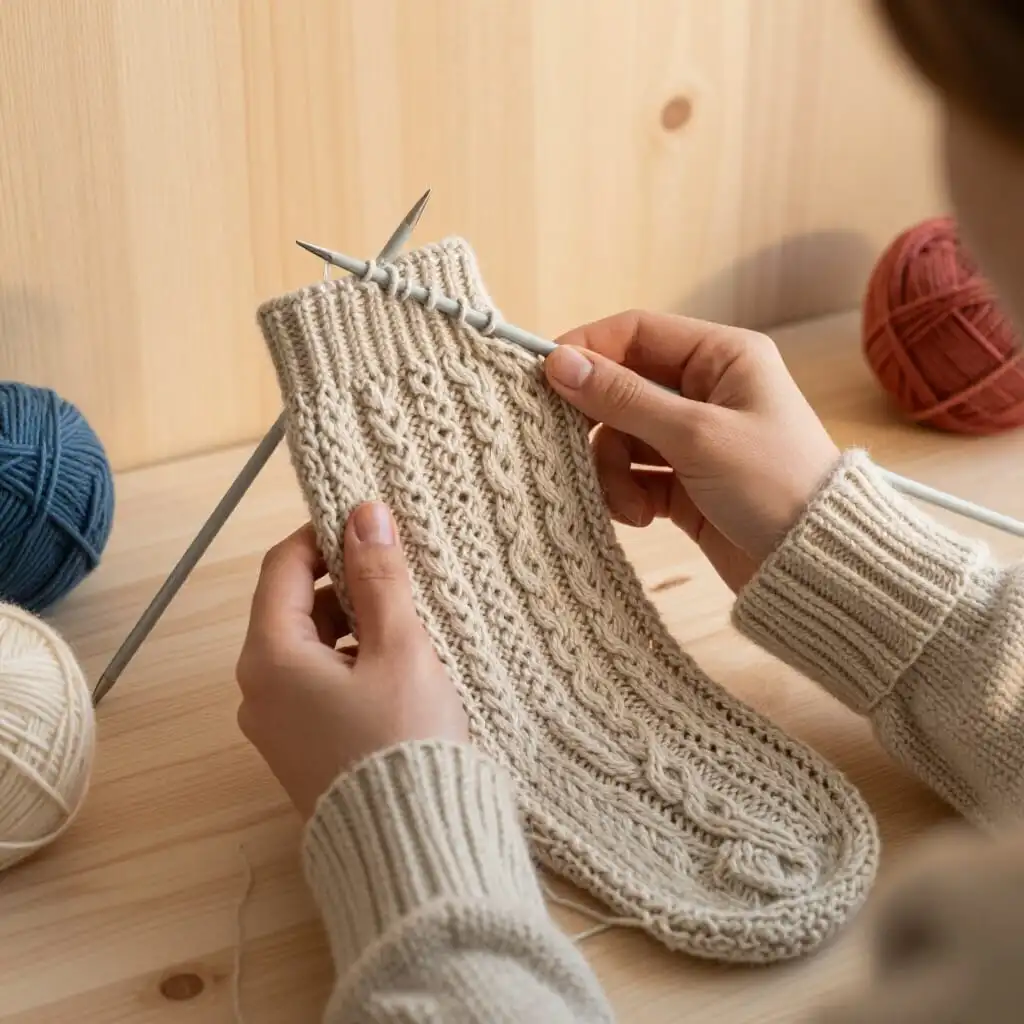
Fingering weight is particularly well-suited for knitting in the round, especially for socks or cardigan sleeves. The Magic Loop technique, which allows you to knit small circumferences using a long circular cable, is ideal for this type of yarn. Delicate cables and lace patterns take on a whole new dimension when worked in fingering weight.
Care and Storage of Fingering Weight Yarn
Washing and Drying
Fingering weight yarn requires a gentle touch. Most fine wools or blends are best hand-washed with a mild soap. Even if some are machine-washable, I always recommend a wool cycle at a low temperature. Laying the garment flat to dry is essential to prevent stretching and preserve the shape.
Storage and Preventing Tangles
To keep your skeins in perfect condition, I like to store them in cotton bags or ventilated bins, ensuring they don’t get tangled. A single pulled thread or a knot can easily ruin hours of meticulous work, especially with a yarn as fine as fingering.
Project Ideas for Fingering Weight Yarn
The projects you can create with fingering weight are varied and inspiring. Socks are a classic way to test the yarn and its color gradients, while lightweight cardigans and shawls allow you to explore finesse and drape. Baby accessories, such as bonnets or small blankets, also benefit from the incomparable softness of this yarn. For those who love mixing textures, don’t hesitate to combine fingering weight with DK, Worsted, and Aran yarns for contrasting effects in either color or density.
FAQ
What is the difference between fingering weight and DK yarn?
Fingering weight is thinner and lighter, perfect for delicate and detailed projects, while DK is thicker and results in a denser fabric.
Can I knit an adult sweater with fingering weight yarn?
Yes, absolutely! However, it will require a bit more patience and fine needles. The result will be lightweight and very elegant.
How do I prevent fingering weight yarn from breaking while knitting?
Simply knit gently, avoid pulling too hard, and use smooth needles (like stainless steel or polished wood) that are suited to the fineness of the yarn.
What is the best fiber for fingering weight socks?
A merino wool and nylon blend is perfect for combining softness, elasticity, and durability.
Can I machine wash a fingering weight sweater?
If the yarn label allows it, use a wool cycle at a low temperature. Otherwise, stick to hand washing to preserve the fibers and the shape.
Why Incorporate Fingering Weight Into Your Projects?
Fingering weight yarn is an invitation to finesse and creativity. Its lightness and elegant drape make it possible to create delicate, comfortable pieces while leaving plenty of room for the imagination. For enthusiasts like me, it’s a yarn that transforms every project into a sensory and artistic adventure. And if you want to further your knowledge of all yarns and their uses, I encourage you once again to visit our complete knitting yarn guide.
See Also
