
Ever since my early days of knitting, I’ve always been fascinated by the magic of yarn. Choosing the right yarn isn’t just about the color or the softness; it’s about deciding how your project will drape, how warm it will be, and even the emotion it will convey to the person wearing it. Today, I want to share my experience with DK, worsted, and aran yarns—essential classics for every passionate knitter. If you’re looking for a more comprehensive overview of wool, feel free to check out our complete knitting yarn guide, which explores all the nuances of this fascinating material.
What are DK, Worsted, and Aran Yarns?
When we talk about DK, worsted, or aran, we are diving into the world of yarn weights. DK yarn, or “double knitting,” is lightweight and versatile. It’s perfect for summer sweaters, baby clothes, or delicate pieces while still maintaining a great structure. Worsted weight is thicker and more robust, making it ideal for classic sweaters, cardigans, or blankets. As for aran yarn, it sits between worsted and bulky; it’s the perfect choice for chunky cables and cozy winter projects.
To help you visualize these differences, I’ve created a quick comparison table summarizing the essentials of each yarn type:
| Yarn Type | Weight | Recommended Needle Size | Ideal Projects |
|---|---|---|---|
| DK | 11-14 wpi | 3.75-4.5 mm | Lightweight sweaters, baby clothes, fine accessories |
| Worsted | 9-11 wpi | 4.5-5.5 mm | Classic sweaters, blankets, cardigans |
| Aran | 8-9 wpi | 5-6 mm | Irish sweaters, chunky cowls, warm accessories |
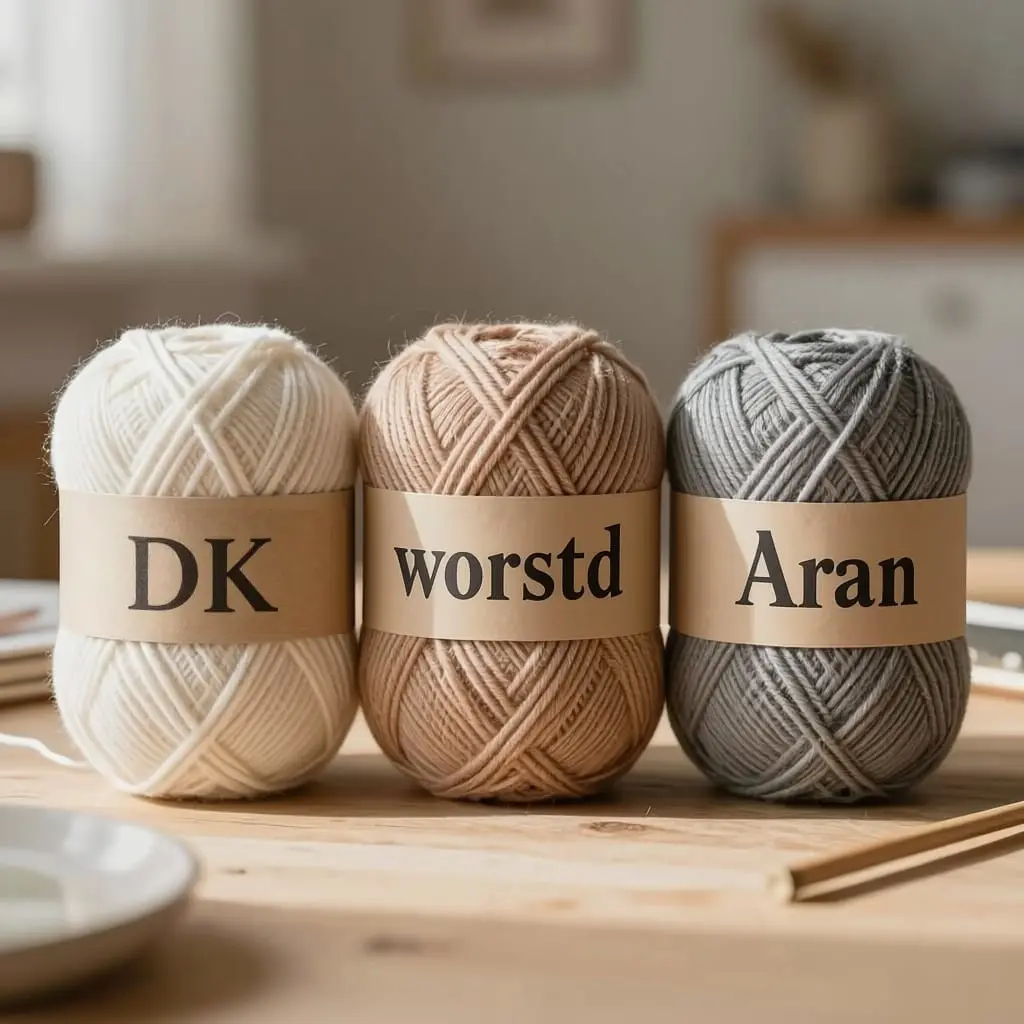
These differences aren’t just technical. They directly influence the feel, the density, and even the speed at which you finish your project. Over time, I’ve learned to “feel” the weight simply by touching a skein. It’s a little knitting ritual that I absolutely love.
How to Choose the Right Weight for Your Projects?
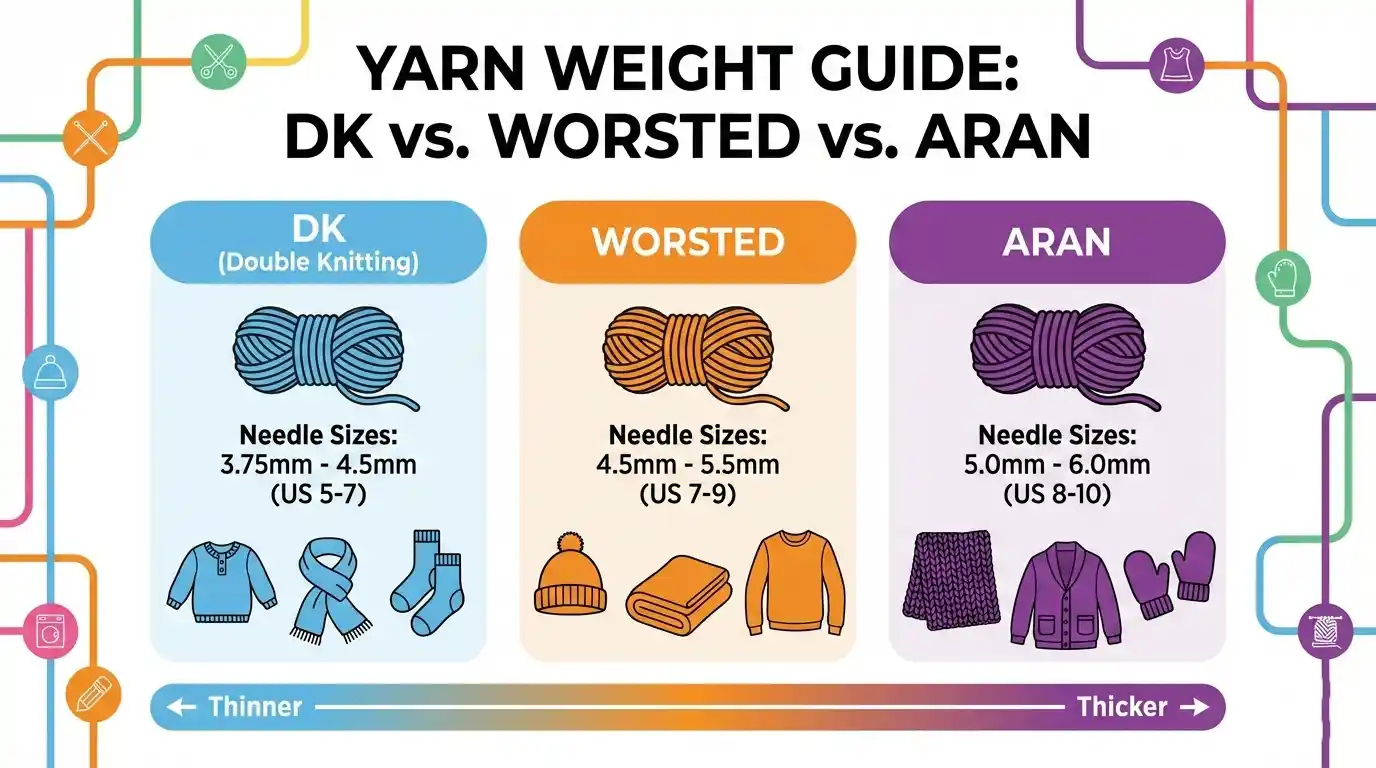
Choosing the right yarn weight is a bit like choosing the right pair of shoes for a trip. Too light, and you might not stay warm enough; too thick, and the project becomes heavy and cumbersome to handle. For a summer sweater, DK yarn is perfect: it’s light, airy, and knits quickly enough that you can wear your creation as soon as the first rays of sun appear. For a cardigan or a blanket, worsted provides the durability and warmth that last over time. Finally, for an Irish sweater or a snug cowl that wraps around you, aran yarn is pure bliss.
If you need a more detailed guide to decide which weight to choose based on your project, needle size, and the season, I highly recommend visiting our page on how to choose yarn weight. It’s a tool I use systematically before starting any new project.
The Perfect Projects for Each Yarn Type
Best Projects for DK Yarn
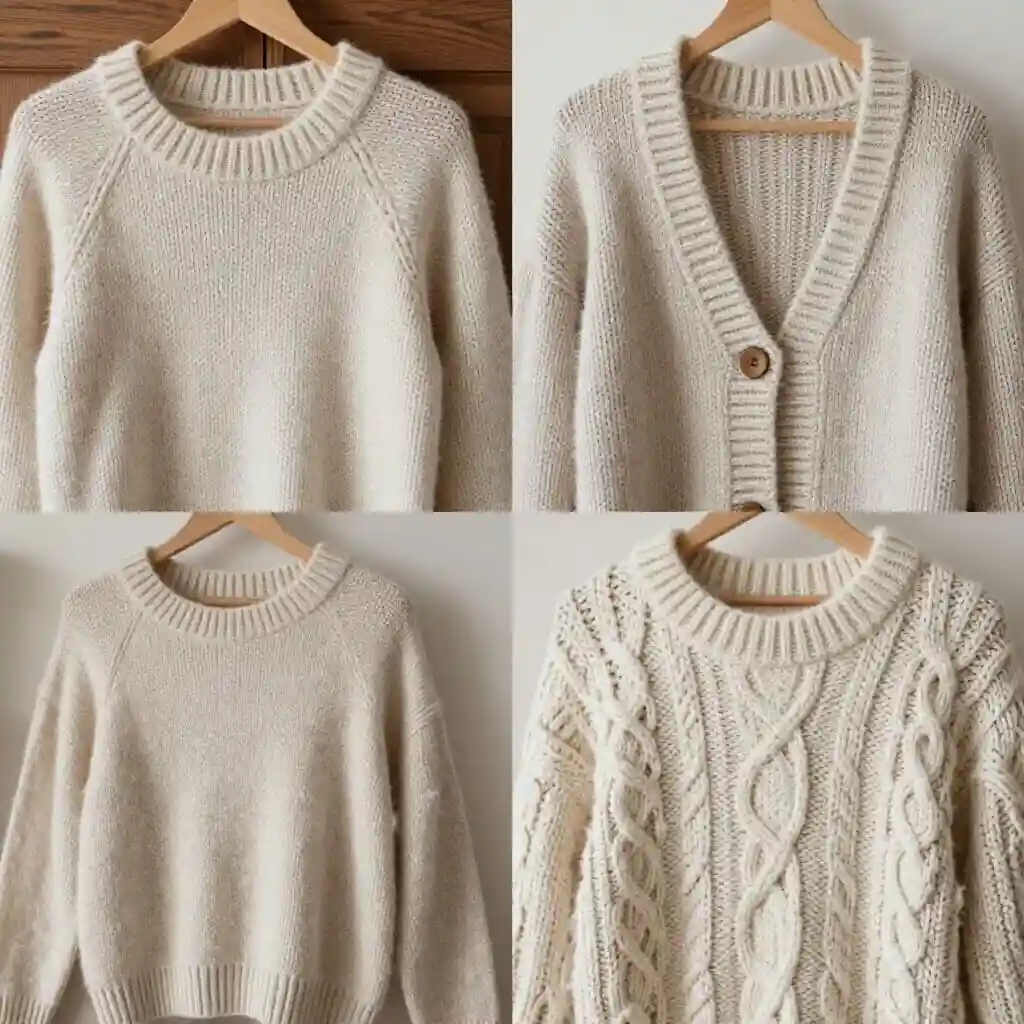
DK yarn has always been my go-to for light and delicate creations. I remember a little sweater I knitted for my niece in a pastel pink DK. The yarn glided perfectly over my needles, and the sweater was both warm and airy. Baby accessories, such as booties or hats, are also ideal projects. I love using simple stitches that highlight the yarn’s finesse, such as stockinette or a delicate garter stitch.
Best Projects for Worsted Yarn
With worsted weight, I love knitting cardigans and sweaters for autumn and winter. This yarn is sturdy, holds its shape well, and lends itself to more textured patterns without becoming too stiff. A worsted blanket is a project I enjoy knitting while watching a movie, as the density of the yarn creates a cozy and durable item.
Best Projects for Aran Yarn
Aran yarn, on the other hand, is perfect for projects that require relief and volume. Cables, Irish stitches, and warm cowls knit beautifully with this yarn. I always keep an aran yarn in my basket when I want to knit a generous winter sweater—the kind you pull on to feel like you’re getting a big hug. This yarn has the power to make every pattern clearly visible and textured.
Care and Storage Based on Yarn Weight
Every yarn requires a minimum of care to maintain its beauty. DK yarn, being finer, often requires a gentle hand wash and lying flat to dry to avoid stretching. Worsted generally tolerates a gentle machine wash, but you still need to be careful with heat. Aran yarn, being thicker and more textured, preserves its cables better when hand-washed and dried flat. Over the years, I’ve learned that taking care of your yarn is also about taking care of the memories and emotions woven into every piece—including the proper storage of fingering weight yarn.
Quick FAQ on DK, Worsted, and Aran Yarns
What is the main difference between DK and worsted?
DK yarn is lighter and thinner, perfect for delicate projects, while worsted is thicker and more robust, ideal for cardigans and blankets.
Can I substitute aran yarn with worsted yarn?
Yes, but the result will be less voluminous, and textured patterns will be less prominent. You will also need to adjust your needle size.
Which projects should I prioritize for each weight?
DK for lightweight or children’s pieces, worsted for classic garments or blankets, and aran for heavily textured winter sweaters and accessories.
How do I know which needle size to use?
The needle size depends on the yarn weight and your personal gauge. Always check the yarn label or a guide like how to choose yarn weight.
Is DK yarn suitable for baby accessories?
Yes, its fineness and softness make it an ideal choice for delicate baby clothes and accessories.
Does Aran yarn shrink in the wash?
It can shrink slightly if washed in hot water, so always prioritize hand-washing or low temperatures and lying the garment flat to dry.
In conclusion, understanding DK, worsted, and aran yarns opens up a world of possibilities. Each weight has its own personality, pace, and purpose. For me, it’s this intimate connection with the yarn that makes every knitted project so special, transforming a simple sweater into a true daily companion. To go further, our complete knitting yarn guide explores even more tips and techniques for choosing and working with your favorite yarns.
See also
