
Whether you’re knitting between subway stops, in the quiet hour after putting the kids to bed, or on a train heading toward vacation, your choice of yarn is never trivial. For a long time, I chose my skeins based on a whim: a beautiful color, a soft touch, or the promise of the perfect sweater. But over time (and after a few projects ended up forgotten at the bottom of a drawer), I realized that choosing between warm yarns and lightweight yarns isn’t about fashion or the official season—it’s about real life.
In this article, I’m sharing my experience as a passionate knitter: someone who juggles daily routines, travel, and parenthood, and who wants projects that are as pleasant to knit as they are to wear. Rather than giving you an encyclopedic guide to fibers (which you can find elsewhere), I want to focus on the essentials—the practical, lived-in side of things.
Warm Yarns vs. Lightweight Yarns: What Are We Actually Talking About?
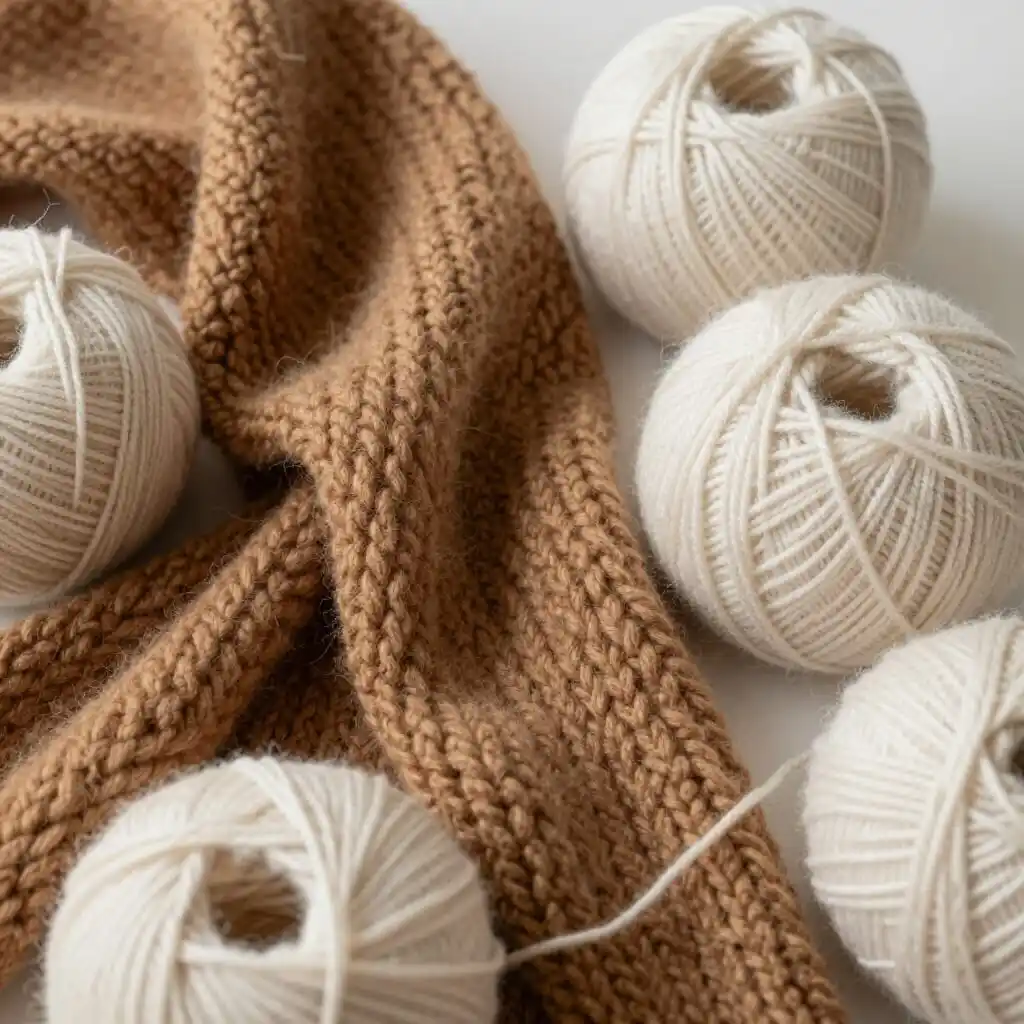
We often talk about warm yarns and lightweight yarns as if they were simple opposites. In reality, it’s more nuanced, and that’s exactly where many knitters hesitate.
Understanding Warmth in Knitting: Insulation, Breathability, and Weight
The warmth of a knitted garment doesn’t depend solely on the thickness of the yarn. What really makes the difference is the yarn’s ability to trap air while still letting the skin breathe. A “warm” yarn is often loftier, sometimes denser, and creates an effective thermal barrier. But be careful: thicker doesn’t always mean warmer. Some relatively thin yarns provide surprising warmth thanks to their structure or the way they are spun.
With experience, I’ve learned to be wary of just looking at the yardage on the label. One yarn might feel heavy on the needles but result in a very breathable fabric, while another, lighter in the hand, can feel stifling once worn. The real question is: how does this yarn perform in daily life over the long term?
Lightweight Doesn’t Mean Fragile
For a long time, I believed that lightweight yarns were reserved for “delicate” or almost decorative projects. That’s a myth. A lightweight yarn can be incredibly durable, especially if it’s well-suited to the project. Sweaters worn against the skin, shawls that live in a handbag, cardigans thrown on and off ten times a day—all of these can be successfully knitted with fine or airy yarns.
What matters isn’t the fineness of the thread, but how it’s used. A well-chosen lightweight yarn can become a daily ally, especially when you’re looking for comfort without thermal overload.
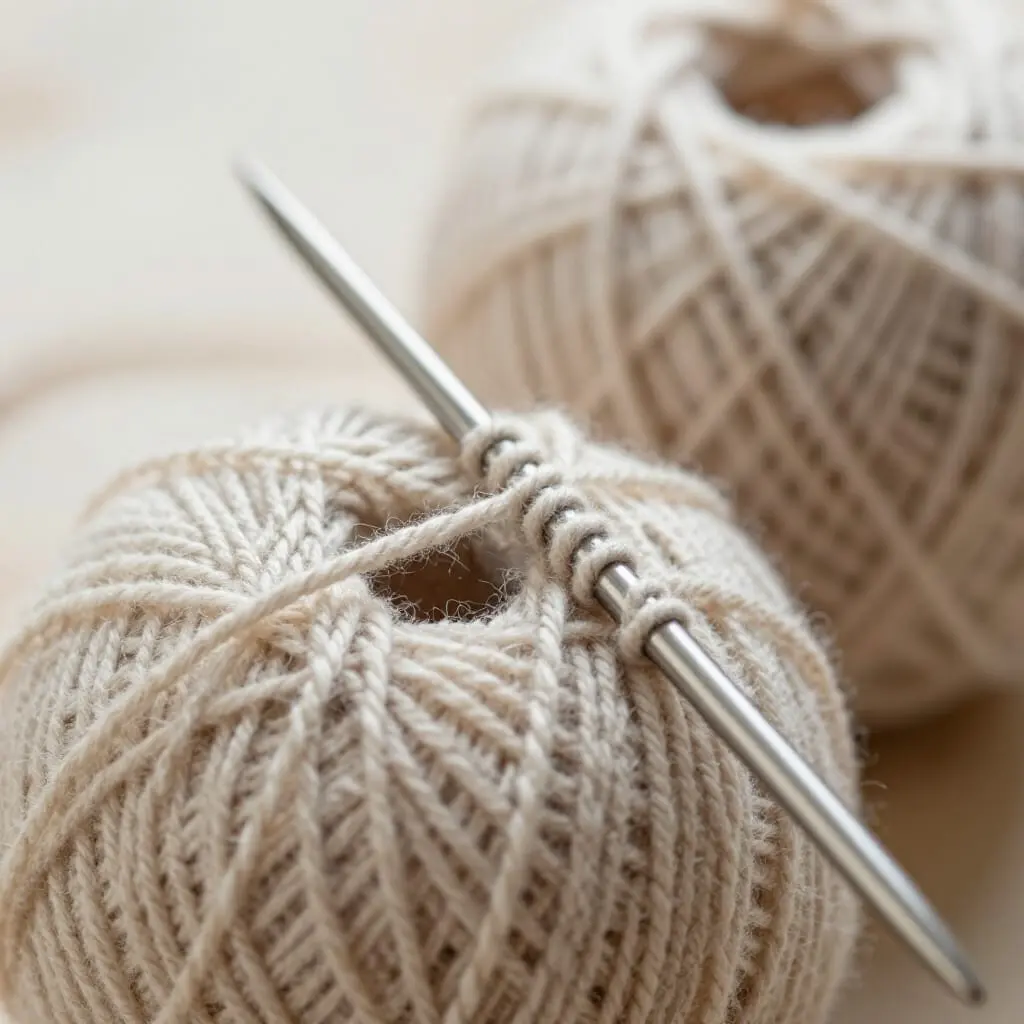
When to Prioritize Warm Yarns in Your Projects
There are times when warm yarn is the obvious choice, and others where it can actually be the wrong move.
Winter Projects, Chilly Mid-Seasons, and Damp Climates
As soon as temperatures drop or dampness sets in, warm yarns truly shine. For winter sweaters, cardigans worn open all day, or accessories exposed to the wind, they offer immediate comfort. I live in a region where the cold is rarely dry: here, a yarn capable of handling moisture makes all the difference.
Winter projects often require a feeling of protection—something almost enveloping. In these cases, the weight of the knit becomes secondary to the lasting sensation of warmth it provides. A well-chosen warm yarn can turn a simple sweater into a portable sanctuary.
Knitting and Parenting: Practical Warmth and Care
When knitting for children or babies, the question of warmth is coupled with heavy usage. A warm yarn must be comfortable, durable, and above all, tolerable for sensitive skin. There is nothing more frustrating than a cozy sweater that is too itchy or irritating to wear.
This is a question I get often: how do you avoid unpleasant warm yarns? I go into more detail in this dedicated article on how to avoid itchy warm yarns. Because a knitted piece that isn’t worn remains an unfinished project, even if it’s technically a success.
Why (and When) to Choose Lightweight Yarns
Lightweight yarns have been underestimated for too long, yet they perfectly suit many modern lifestyles.
Knitting for Spring, Summer, and Variable Climates
When temperatures become unpredictable, lightweight yarns take the lead. They allow you to play with layering without overheating, providing a garment you can wear all day without a second thought. For me, this is the key to “all-season” knitting.
A light sweater, a thin cardigan, or an airy shawl can accompany cool summer evenings just as well as spring mornings. They regulate body temperature better and offer more consistent comfort.
Lightweight Yarns and Knitting on the Go
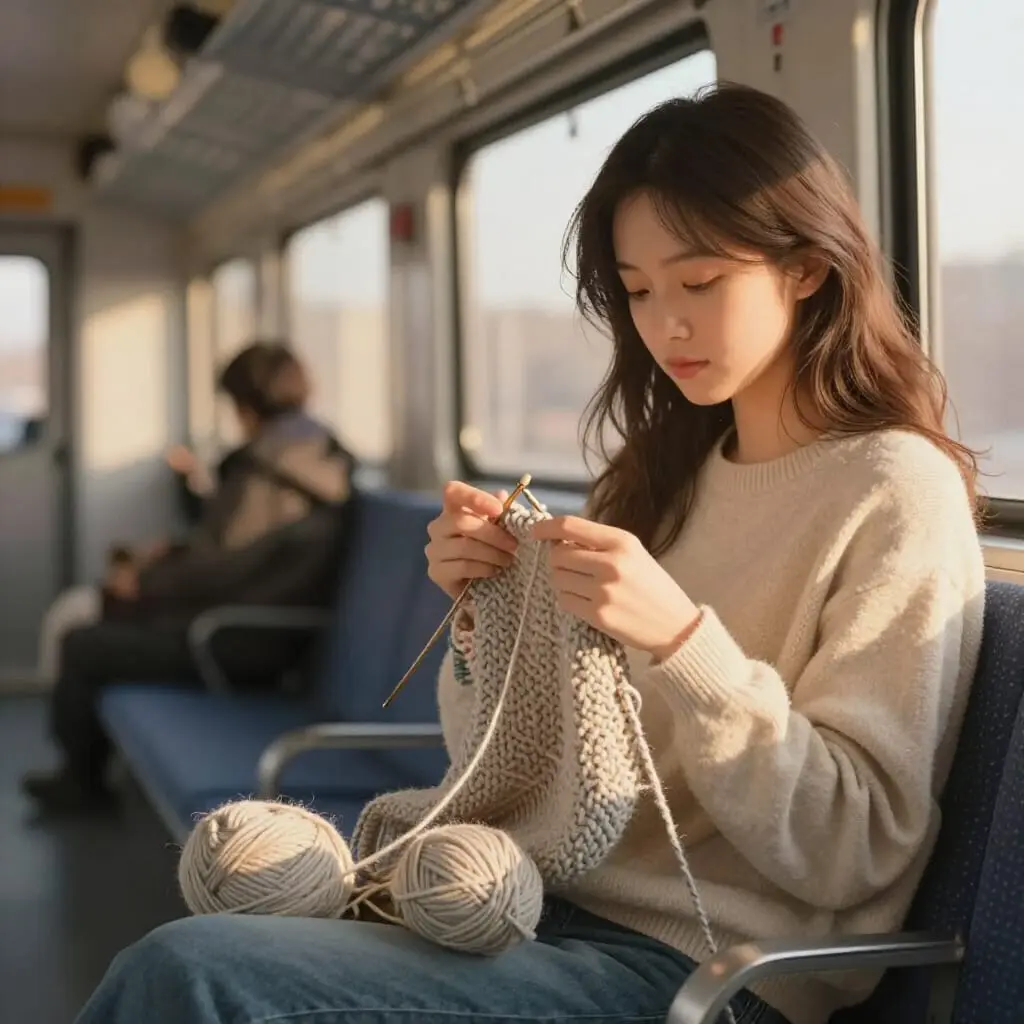
This is where lightweight yarns truly excel. When I knit on public transport, while traveling, or during a lunch break, the weight and bulk of the project matter enormously. A light yarn means a lighter bag, more fluid movements, and often a project that progresses faster than you’d imagine.
Knitting on the go means accepting that the project fits into your life, not the other way around. Lightweight yarns facilitate this freedom.
Adapting Your Yarn Choice to Your Lifestyle (Not the Other Way Around)
This is probably the most important point, and the one most often forgotten.
Available Time, Energy, and the Joy of Knitting
Some periods of life leave more room for demanding projects than others. A warm, thick yarn can be rewarding because it grows quickly, while a finer yarn requires more patience but offers great tactile satisfaction.
There is no right or wrong choice, only choices adapted to your current energy level. The joy of knitting must remain at the center.
Budget, Care, and Durability
Budget shouldn’t just be thought of per skein, but for the final project. A lightweight yarn might seem more expensive per gram, but it may require less total material. Conversely, a cheap warm yarn can cost more in the long run due to maintenance or premature wear.
When knitting for everyday use, durability becomes an essential criterion. A well-chosen yarn, whether warm or light, should support your life rather than complicate it.
How to Choose Without Mistakes: A Simple 3-Question Method
Over time, I’ve developed a mental checklist before every yarn purchase. Three simple questions that prevent a lot of disappointment.
In which (real) season will the project be worn?
Not the theoretical season, but the real one: based on your climate, your habits, and your daily routine.
Under what living conditions?
Subway, heated office, outdoor activities, carrying children… every detail counts.
What sensation am I looking for when wearing it?
Enveloping warmth or forgettable lightness? Constant comfort or an occasional cozy cocoon?
| Main Use | Warm Yarns | Lightweight Yarns |
|---|---|---|
| Daily Winter Wear | Excellent | Not well-suited |
| Mid-season | Variable | Very well-suited |
| Knitting on the go | Less practical | Ideal |
| Sensitive Skin | Choose with care | Often more comfortable |
Going Further: Understanding Yarns to Refine Your Choices
If you want to dive deeper and understand exactly how fibers, blends, and yarn properties work, I invite you to check out my complete guide to warm and lightweight yarns for knitting. It is the ideal foundation for refining your choices without getting lost in contradictory information.
FAQ – Warm and Lightweight Yarns: Frequently Asked Questions
Can a lightweight yarn actually keep you warm?
Yes, especially if it is well-knitted and worn in layers. Warmth depends as much on the stitch pattern as it does on the yarn.
Do I always need a warm yarn for winter?
Not necessarily. In heated indoor environments or for garments worn all day, a lighter yarn can actually be more comfortable.
Which yarns are best for sensitive skin?
Lightweight or highly processed yarns are often better tolerated, especially when avoiding coarse fibers.
Can I knit all year round with the same yarns?
Some versatile yarns allow this, but adapting your yarns to the seasons significantly improves overall comfort.
How can I avoid making mistakes when buying yarn online?
Read the descriptions carefully, think about the actual intended use, and rely on trusted guides.
Choosing between warm yarns and lightweight yarns isn’t about rigid rules; it’s about listening—to your body, your pace, and your life. Knitting then becomes a daily companion rather than just another chore. 🧶✨
See Also
