
There are some yarns I always come back to, regardless of trends or seasons. Cotton knitting yarn is definitely one of them. Perhaps it’s because it has been with me since my very first projects, or because it naturally found its place in my life as a knitter… and a mother.
When you’re knitting during a commute, during a nap, or at the bottom of a travel bag, you learn to love yarns that are reliable, easy to work with, and comfortable for everyday use. Cotton ticks many of those boxes.
In this article, I’m sharing my personal experience with cotton yarn: when I choose it, which projects it’s truly suited for, and most importantly, how to avoid the common pitfalls that come with a fiber that is both simple and demanding.
Why Choose Cotton Yarn for Your Projects?
The Concrete Advantages of Cotton Yarn
The first encounter with cotton yarn is often a sensory one. To the touch, it is soft, smooth, and sometimes almost silky depending on the quality. But what really wins me over is the comfort once it’s knitted. Cotton breathes, it doesn’t itch, and it doesn’t overheat. It’s a yarn I find reassuring, especially for sensitive skin.
Its durability is another major selling point. A well-knitted cotton piece can withstand repeated washing, intensive use, and the adventures of daily life. When knitting for children, for the home, or for traveling light, this is a huge plus. I still have cotton bags knitted years ago that look almost brand new.
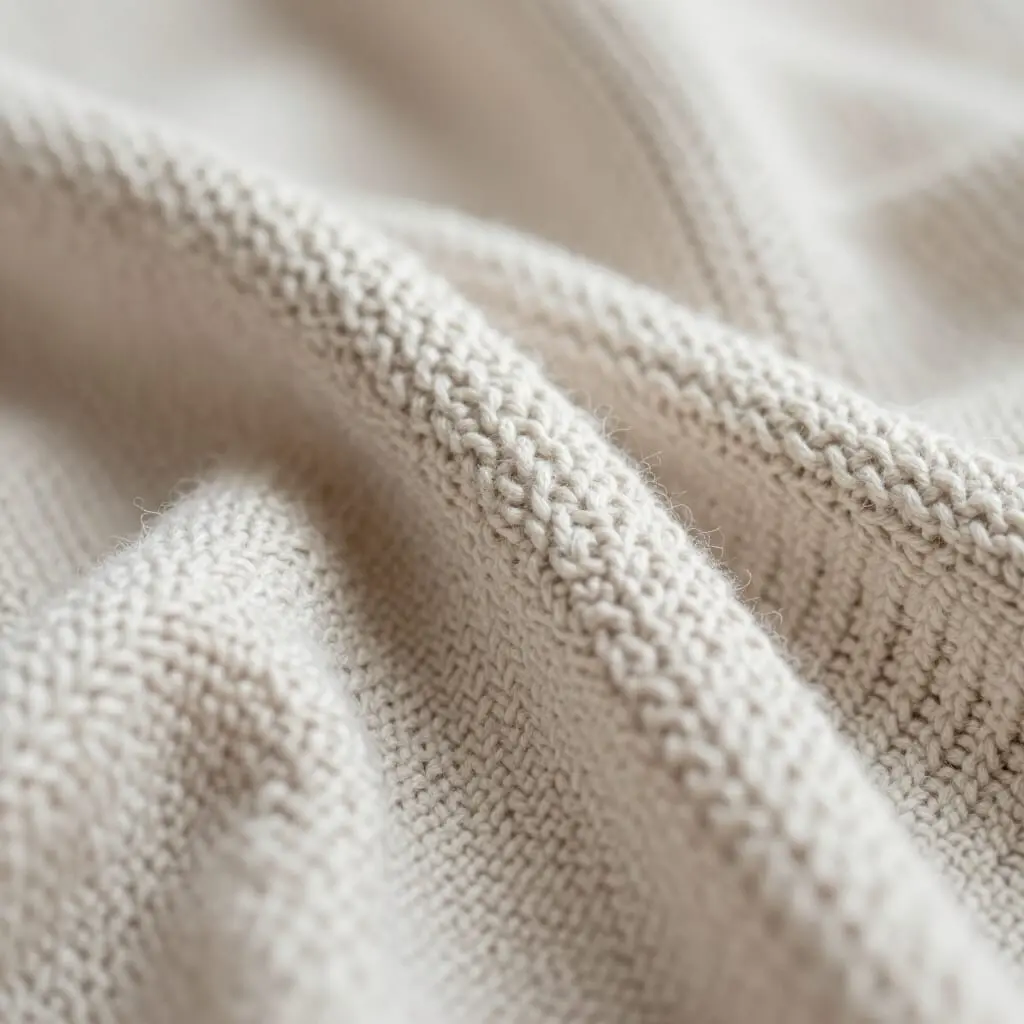
Finally, cotton yarn provides exceptional stitch definition. The stitches are crisp, regular, and almost graphic. Simple cables, lace patterns, or minimalist textures stand out beautifully.
Limitations to Know Before You Knit with Cotton
Despite all its qualities, cotton isn’t a magic fiber. Its main limitation—which I learned the hard way—is that it has no elasticity. While wool is very forgiving, cotton is more blunt and rigid. Uneven tension is immediately visible, and a poorly planned garment can stretch out over time.
Weight is also a factor. A cotton sweater can become quite heavy, especially in adult sizes. That’s why I often reserve cotton for specific types of garments rather than overly ambitious projects.
Finally, some knitters find that their hands tire more quickly with cotton, especially if the needles or the stitch pattern aren’t a good match. It’s not an insurmountable problem, but it is something to keep in mind.
Which Projects are Best Suited for Cotton Yarn?
Baby and Children’s Knitting: Safety and Softness First
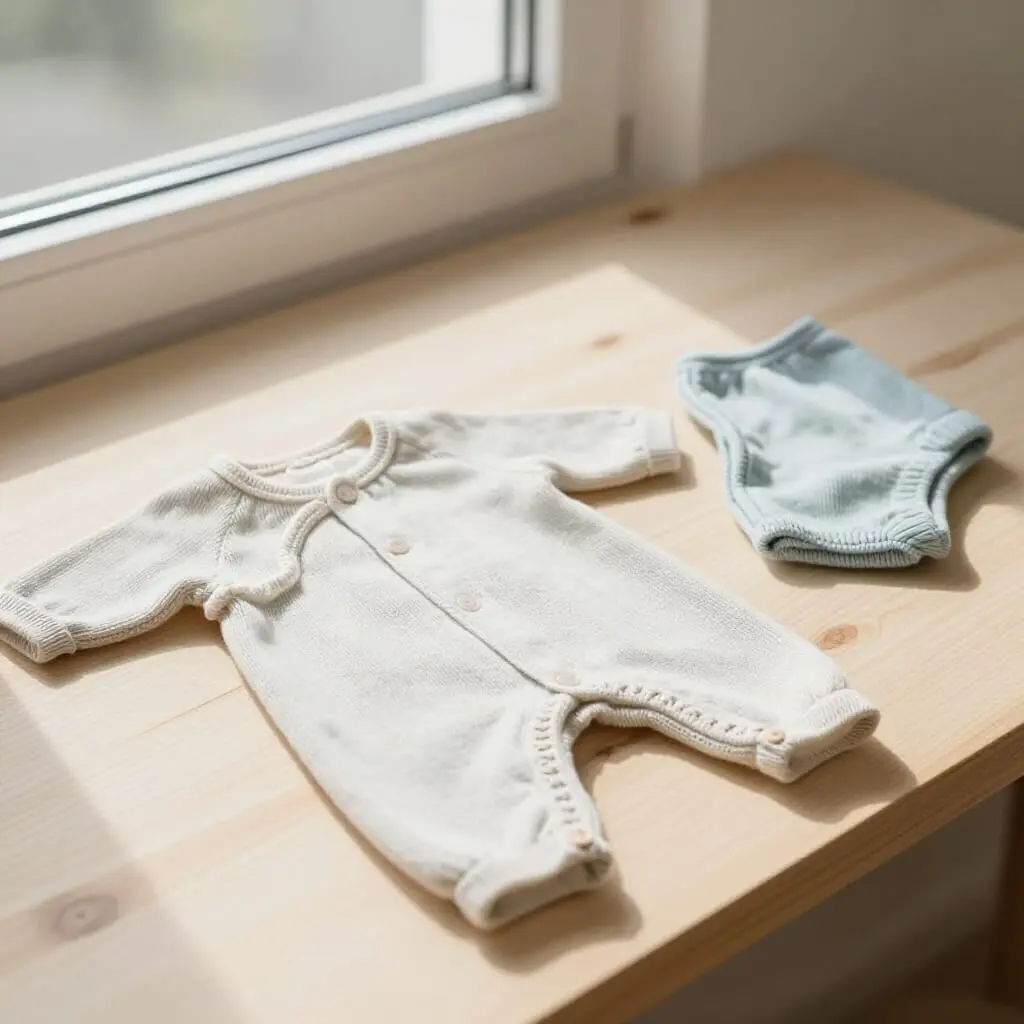
If there is one area where cotton yarn truly excels, it’s baby and children’s wear. Its natural softness, lack of irritating fibers, and ease of care make it an invaluable ally. When knitting for little ones, you want something practical, washable, and reliable. Cotton meets these requirements perfectly.
I particularly love using it for mid-season cardigans, light blankets, and easy-to-wear little sweaters. It’s a reassuring yarn for both parents and knitters.
Summer and Mid-Season Clothing
For summer, cotton yarn is almost a given. Tops, tank tops, light cardigans… it offers a feeling of freshness that few fibers can match. It follows the body without suffocating it, which is ideal when the temperature rises.
However, I pay close attention to the pattern I choose. Simple cuts, close-fitting garments, and open-work stitches work better than oversized pieces, which risk losing their shape.
Accessories and Home Decor: Where Cotton Makes the Difference
Accessories are perhaps where cotton reveals its full potential. Bags, market totes, washable makeup removers, dishcloths… cotton yarn provides strength and stability. It holds its shape, doesn’t felt, and handles heavy use very well.
From a more ecological and sustainable perspective, these projects also make a lot of sense.
Tips for Knitting with Cotton: Advice from a Passionate Knitter
Choosing the Right Needles for Cotton Yarn
The choice of needles changes everything with cotton. Personally, I prefer wooden or bamboo needles, which offer more grip and prevent the stitches from sliding too much. Metal can be pleasant, but it requires better tension control.
Needle size is also crucial. Cotton knitted too tightly becomes rigid, almost cardboard-like. Conversely, if it’s too loose, it lacks structure. Taking the time to test your gauge is essential.
Adapting Your Tension and Stitches
Cotton yarn does not forgive approximation. I’ve learned to slow down with this fiber and knit more consciously. Some stitches that look lovely in wool lose their appeal in cotton. Others, on the contrary, take on a stunning graphic dimension.
Making a gauge swatch is not an option—it’s a necessity. Even after years of knitting, I never skip this step when working with cotton.
Tips to Avoid Stretching and Deformation
With cotton, everything is decided from the start. A cast-on that is too loose, sloppy assembly, or poor blocking can ruin a project. I place great importance on the finishing touches, especially for clothing.
Gentle blocking, without pulling, often reveals the full potential of the piece without over-stretching it.
Cotton Yarn vs. Other Fibers: How I Make My Choice
Cotton Yarn or Wool: Two Different Logics
This question comes up often, and the answer almost always depends on the project. Wool provides warmth, elasticity, and winter comfort. Cotton yarn, on the other hand, is all about lightness and breathability.
If you’re hesitating between different fibers, I really recommend checking out this complete guide to cotton yarn and other fibers to make an informed choice based on the use and the season.
Cotton Yarn or Acrylic: Practicality vs. Sensation
Acrylic yarn is often chosen for its convenience and price. I use it occasionally, especially for very specific projects, but I stay loyal to cotton for anything that touches the skin or is used daily.
Fiber Comparison Table
| Criterion | Cotton Yarn | Wool | Acrylic |
|---|---|---|---|
| Breathability | Excellent | Medium | Low |
| Elasticity | Low | High | Medium |
| Care | Easy | Delicate | Very Easy |
| Skin Comfort | Excellent | Variable | Variable |
How to Care for Your Cotton Knits to Make Them Last
Washing and Drying Without Surprises
Cotton yarn appreciates gentleness, even though it is robust. I prefer washing at moderate temperatures and avoid the tumble dryer, which tends to weigh down and deform the pieces. Drying flat remains the best option to preserve the shape.
Storage and Daily Use
When folded neatly and kept away from moisture, cotton knits age very well. Unlike wool, you don’t have to fear moths, which is a real relief.
FAQ: Everything I’m Asked About Cotton Yarn
Is cotton yarn suitable for beginners?
Yes, provided you choose a good quality yarn and take your time. It is very educational.
Does cotton keep you warm?
No, and that’s exactly its advantage. It is ideal for mild temperatures.
Why is my cotton knit stretching out?
Often due to the weight of the garment or tension that is too loose. The choice of pattern is key.
Which cotton yarn should I use for a baby project?
A soft, certified cotton that is easy to wash and free from aggressive synthetic fibers.
Can you blend cotton with other fibers?
Yes, some cotton-wool or cotton-acrylic blends can be very interesting.
Cotton knitting yarn may not be the most spectacular fiber, but it is one of the most honest. It accompanies everyday projects, useful knits, and pieces that we wear, wash, and love for a long time. With a bit of method and a lot of enjoyment, it becomes a precious ally, whether you are a beginner or an experienced knitter.
And as is often the case in knitting, it’s all about making an informed choice… and following your heart 🧶💛
See also
