
Ever since I fell in love with the world of knitting, I’ve explored many different fibers, but none have captivated me quite like merino wool. Its softness, lightness, and ability to retain heat while remaining breathable make it an invaluable ally for all my creations. Every project becomes a true joy, whether it’s a cozy sweater for winter or a light accessory for cool spring evenings.
If you want to explore the world of yarns and understand how to choose the right one for your projects, I recommend checking out our complete guide to merino wool and knitting, an essential resource for both beginner and experienced knitters.
What is Merino Wool?
Origin and Characteristics
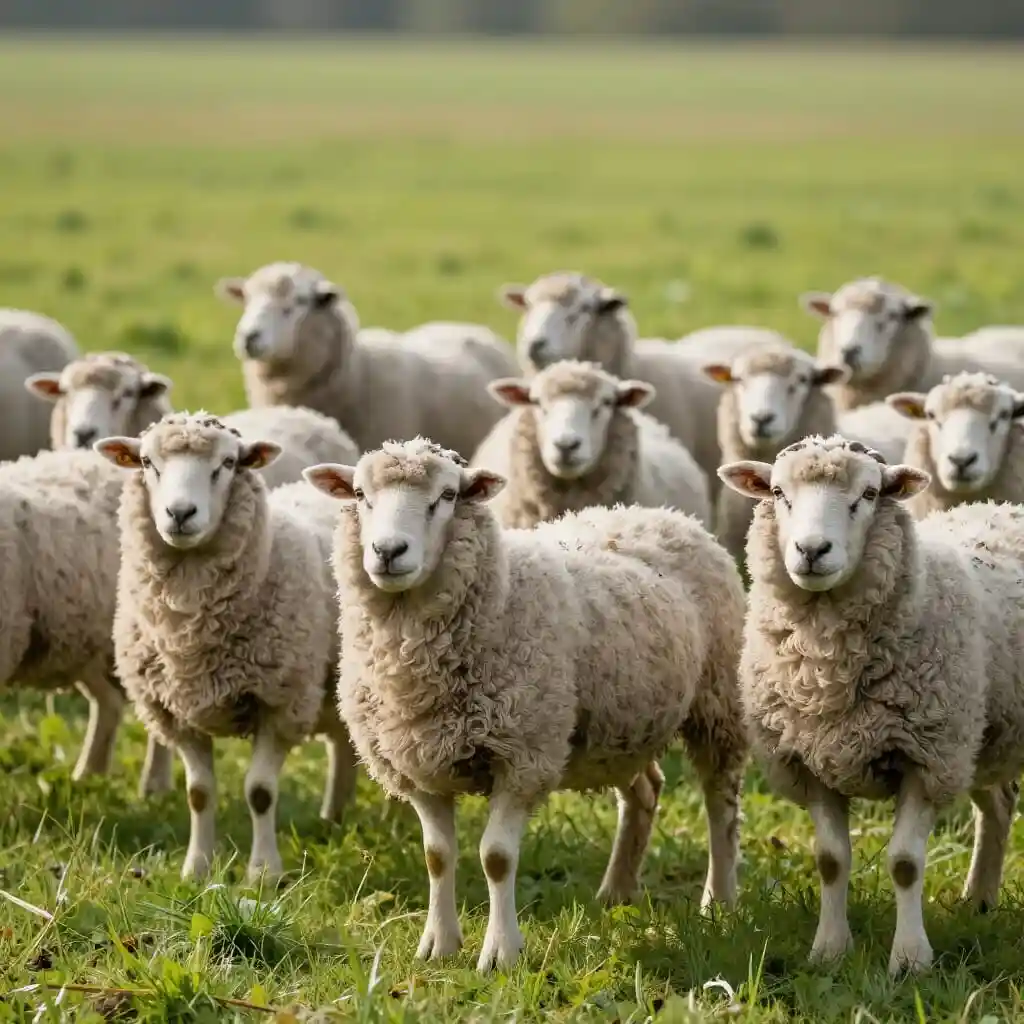
Merino wool comes from Merino sheep, a breed renowned for the exceptional fineness of its fiber. Originally from Spain, these sheep are now primarily raised in Australia and New Zealand. What sets merino wool apart is its incredibly fine fiber, which offers an unparalleled softness to the touch while remaining durable and elastic.
Another remarkable characteristic of this wool is its natural thermoregulation. It traps heat when temperatures drop but remains breathable when it gets warmer. It is a fiber that adapts, exactly what we look for in a garment knitted for all seasons.
Benefits for Knitting
What I particularly love about merino wool is its versatility. Its softness makes it ideal for next-to-skin garments, including clothes for babies and children. Its resilience allows my knits to hold their shape even after several washes, and its lightness makes working on large projects like sweaters or shawls much easier.
It also lends itself to all kinds of techniques: delicate cables, textured stitches, or fine lace. Knitting with merino transforms every pattern into a pleasant and rewarding project. It’s truly a fiber that inspires you to create again and again.
How to Choose the Right Merino Wool for Your Knitting Projects
Yarn Weight and Thickness
Merino wool comes in several weights, each suited to a specific type of project. Lace and fingering weights are perfect for shawls and delicate accessories, while DK and worsted weights are better suited for sweaters and cardigans. For quick and ultra-cozy projects, bulky merino is a dream: it knits up quickly and provides an enveloping warmth.
The choice of weight influences not only the aesthetic result but also the durability and warmth of the garment. Personally, I always adapt the thickness to the project and the season, and I find that this fiber offers incomparable flexibility.
Colors and Dyes
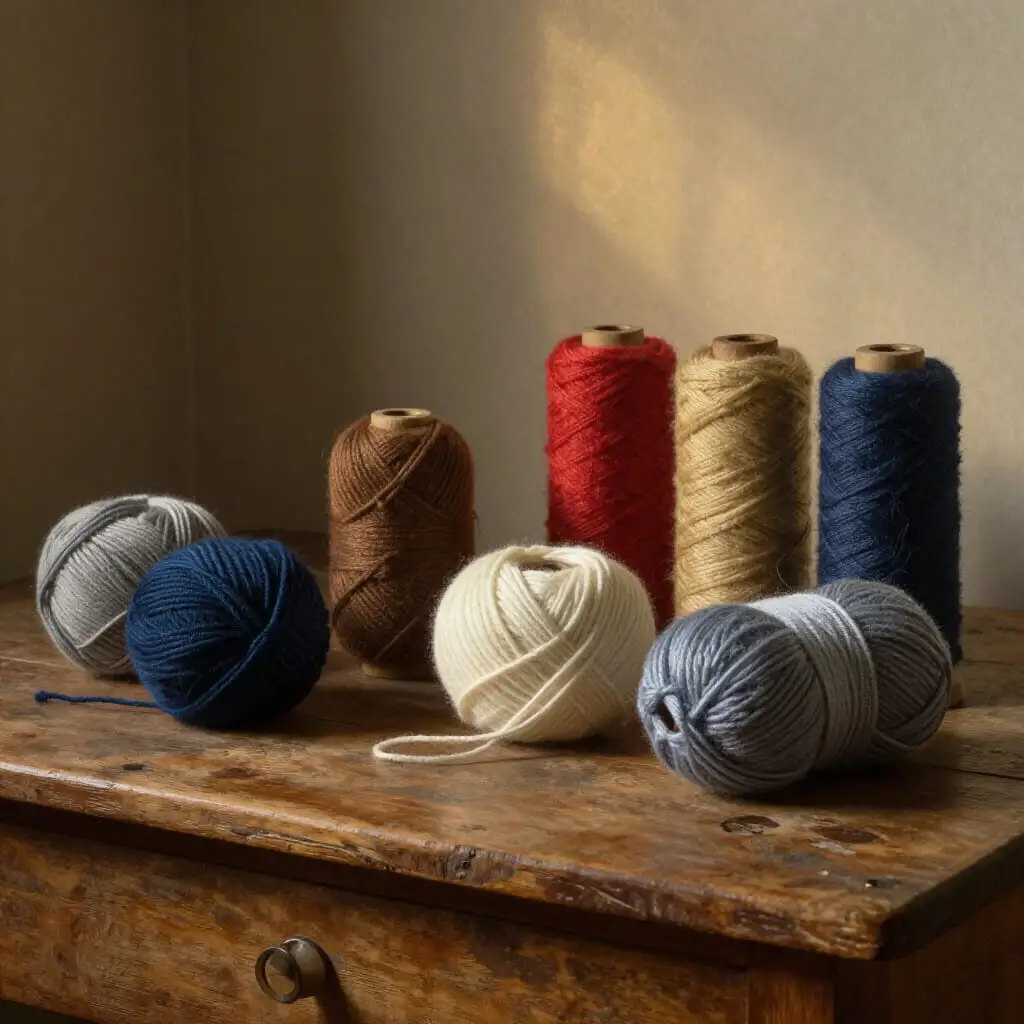
Merino wool offers an almost infinite spectrum of colors, ranging from natural cream tones to the most vivid and bold hues. Some fibers are naturally dyed, providing soft, eco-friendly colors. Others are chemically dyed, allowing for intense and vibrant results for creative and colorful projects.
The choice of dye can slightly alter the texture of the fiber, so it’s a good idea to swatch your yarn before starting a large project. For my part, I love alternating between soft shades for classic knits and bright colors for my personalized accessories.
Responsible and Ethical Sourcing
For me, knitting also involves making conscious choices. Merino wool can be ethical and sustainable, with labels such as RWS (Responsible Wool Standard) or OEKO-TEX, which guarantee animal welfare and the absence of harmful chemicals.
Knitting with environmentally friendly wool allows you to create beautiful pieces while having the satisfaction of acting responsibly. It’s a small gesture that makes a big difference.
Project Ideas to Knit with Merino Wool
Clothing for the Whole Family
Thanks to its softness and lightness, merino wool is perfect for knitting clothes for the entire family. Whether it’s light or thick sweaters and cardigans, or soft and durable socks, every piece becomes a cocoon of comfort. Even beginners can appreciate how easy this fiber is to work with, making knitting less intimidating and more rewarding.
Accessories and Small Gifts
Accessories knitted in merino are also a joy to make. Beanies, scarves, fingerless gloves, or even small bags make for unique and personalized handmade gifts. I love giving these pieces to my loved ones: they have a warmth that goes beyond the object itself; it’s a gift filled with care.
Knitting Tips for Merino Wool
To get the most out of this fiber: it is important to hand wash your knits or use a delicate cycle at a low temperature, dry them flat to avoid misshaping, and limit friction to prevent felting. These simple steps extend the life of your creations and preserve their incomparable softness.
Yarn Comparison Table
| Fiber | Softness | Warmth | Ideal Projects |
|---|---|---|---|
| Merino wool | Very soft | Regulating | Sweaters, accessories, children’s clothes |
| Alpaca wool | Very soft, silky | Very warm | Sweaters, scarves, luxury cardigans (discover alpaca wool) |
| Classic wool | Variable | Warm | Winter sweaters, sturdy accessories |
Merino Wool and Parenting: Why I Love It for Children
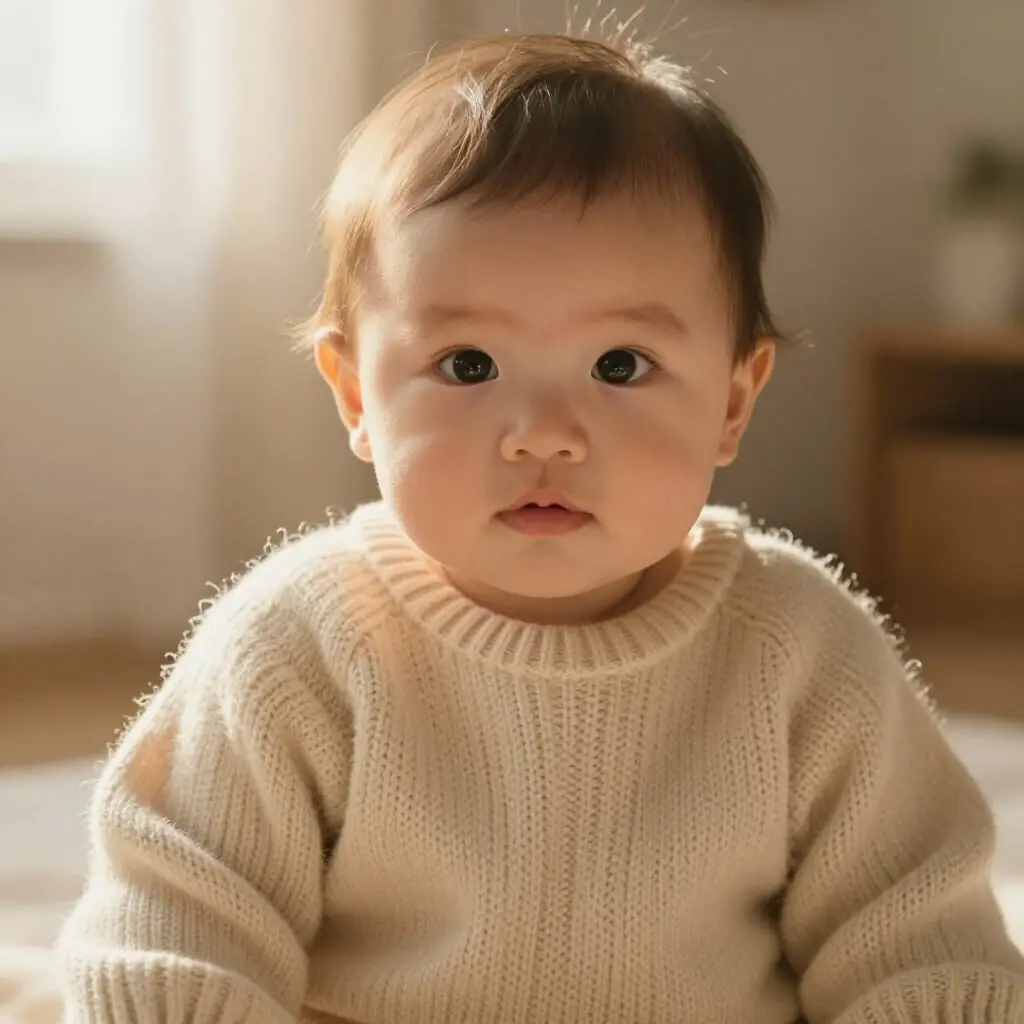
If you’re a parent, you’ll immediately understand the appeal of this fiber. Its softness makes it a perfect choice for the sensitive skin of babies and young children. Its breathability keeps little ones warm without overheating them, and its durability allows it to withstand frequent washing.
I’ve knitted beanies, booties, and small sweaters for my children, and not a single one ever irritated them. This fiber allows me to combine comfort, safety, and the joy of knitting for the whole family.
FAQ – Everything You Need to Know About Merino Wool
Is merino wool itchy?
No, it is very soft and suitable for sensitive skin, including that of babies.
Can merino wool be machine washed?
Yes, on a delicate cycle at a low temperature, though hand washing is ideal.
What is the difference between merino wool and alpaca wool?
Alpaca is warmer and silkier but less elastic than merino. To learn more, visit our page on alpaca wool.
Is merino wool suitable for summer clothes?
Yes, it is lightweight and breathable, which makes it comfortable for warmer seasons.
Can I knit an adult sweater with fine merino wool?
Absolutely, you just need to choose a pattern that matches the yarn weight.
Conclusion – My Love for Merino Wool
Merino wool combines everything I look for in a fiber: softness, warmth, lightness, and versatility. It transforms every project into a pleasant and rewarding experience. Whether you are a beginner or an experienced knitter, I encourage you to try this wool: you’ll quickly understand why it has become my favorite fiber.
To deepen your knowledge and discover other yarns and their uses, consult our complete guide to merino wool and knitting. Your needles and your hands will thank you!
See Also
