
As a knitting enthusiast, I’ve always been fascinated by textures, colors, and the simple joy of creating something with my own two hands. But knitting isn’t just about aesthetics or visual comfort: choosing the right yarn is essential to protect our skin, and especially the skin of those who are most sensitive. This is where hypoallergenic yarn comes into play, offering softness and safety without sacrificing the beauty of your finished pieces. In this article, I’m inviting you into my knitting world to explore, test, and understand this very special type of yarn.
What is Hypoallergenic Yarn?
Definition and Key Characteristics
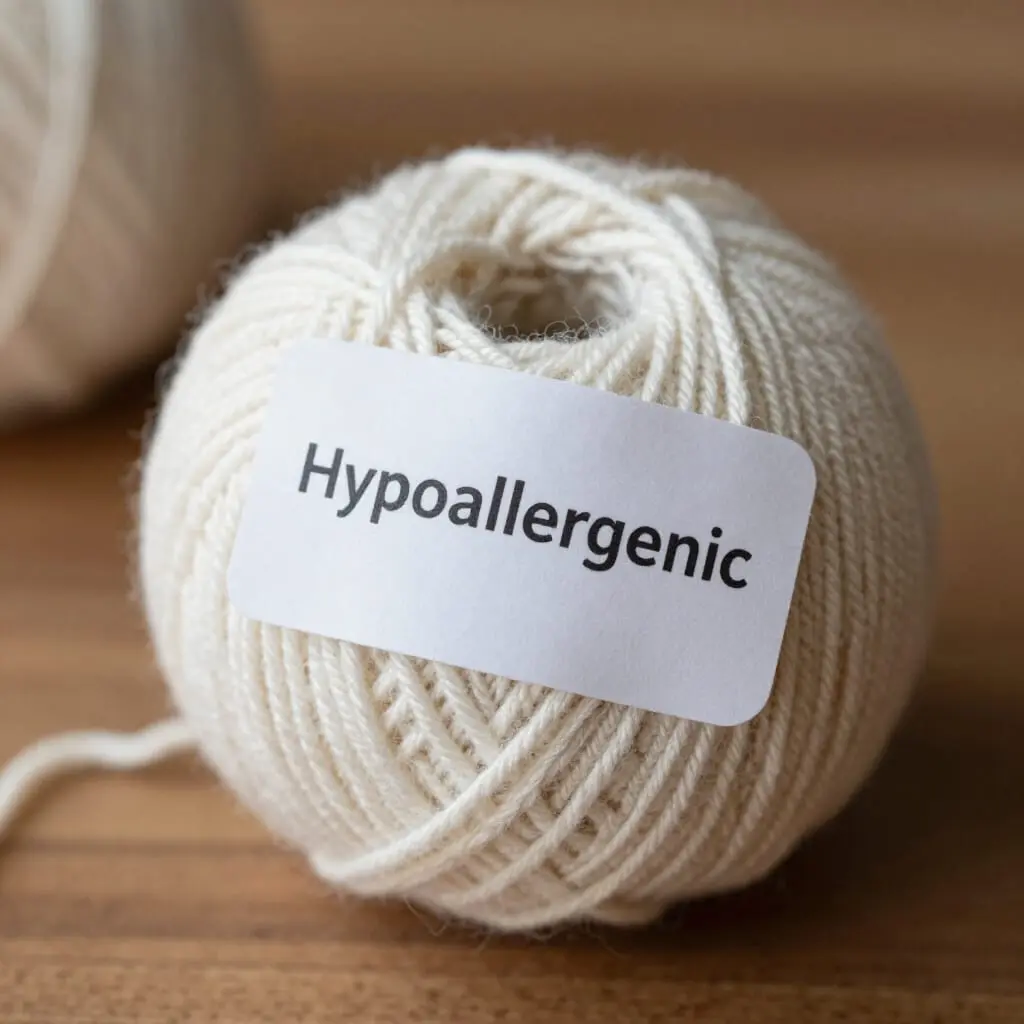
Hypoallergenic yarn is carefully selected or treated to minimize the risk of allergic reactions. Unlike traditional wools, which can cause itching, redness, or irritation due to lanolin, hypoallergenic yarn is soft, lightweight, and perfectly suited for sensitive skin, including that of newborns. It is characterized by a fine fiber and a silky feel, which immediately makes you want to dive into a cozy and comfortable knitting project.
Why Some People are Sensitive to Wool
Even though knitting is a relaxing activity, certain yarns can trigger skin reactions. Lanolin, a natural wax found in raw wool, is often responsible for itching and allergies. People with sensitive skin or a history of eczema may therefore feel limited in their choices. Hypoallergenic yarn eliminates or significantly reduces these irritants, allowing you to knit without worrying about skin reactions—whether for yourself or for a delicate baby.
Different Types of Hypoallergenic Yarn
Suitable Natural Fibers
Not all natural wools are hypoallergenic, but certain fibers like extra-fine merino, alpaca, or treated cashmere offer incomparable softness. They are perfect for knitting pieces that come in direct contact with the skin, such as sweaters or beanies, while maintaining that enveloping warmth that makes knitting so charming. Alpaca, for example, naturally contains very little lanolin, making it inherently soft and well-tolerated by sensitive skin.
Synthetic Fibers and Blends
For those looking for an easy-care option, certain synthetic fibers like acrylic or bamboo are also hypoallergenic. Blends of natural and synthetic fibers offer a compromise between softness, durability, and ease of washing. In any case, I recommend testing the yarn on a small patch of skin before starting a major project to ensure no reaction occurs.
An important point to remember: if you want to deepen your understanding of the different types of wool, feel free to discover our comprehensive guide to knitting yarn types, which details all available fibers and their unique properties.
Pros and Cons of Each Type
Merino offers incredible softness but can be more fragile during washing. Alpaca is naturally hypoallergenic and lightweight, but it can be more expensive. Synthetic fibers are easy to maintain and affordable, but they may lack the warmth of natural wools. Choosing the right yarn depends as much on your project as it does on your personal sensitivity; that’s the beauty of the knitting experience—every fiber has its own story and personality.
How to Choose Your Hypoallergenic Yarn
Selection Criteria for Babies vs. Adults
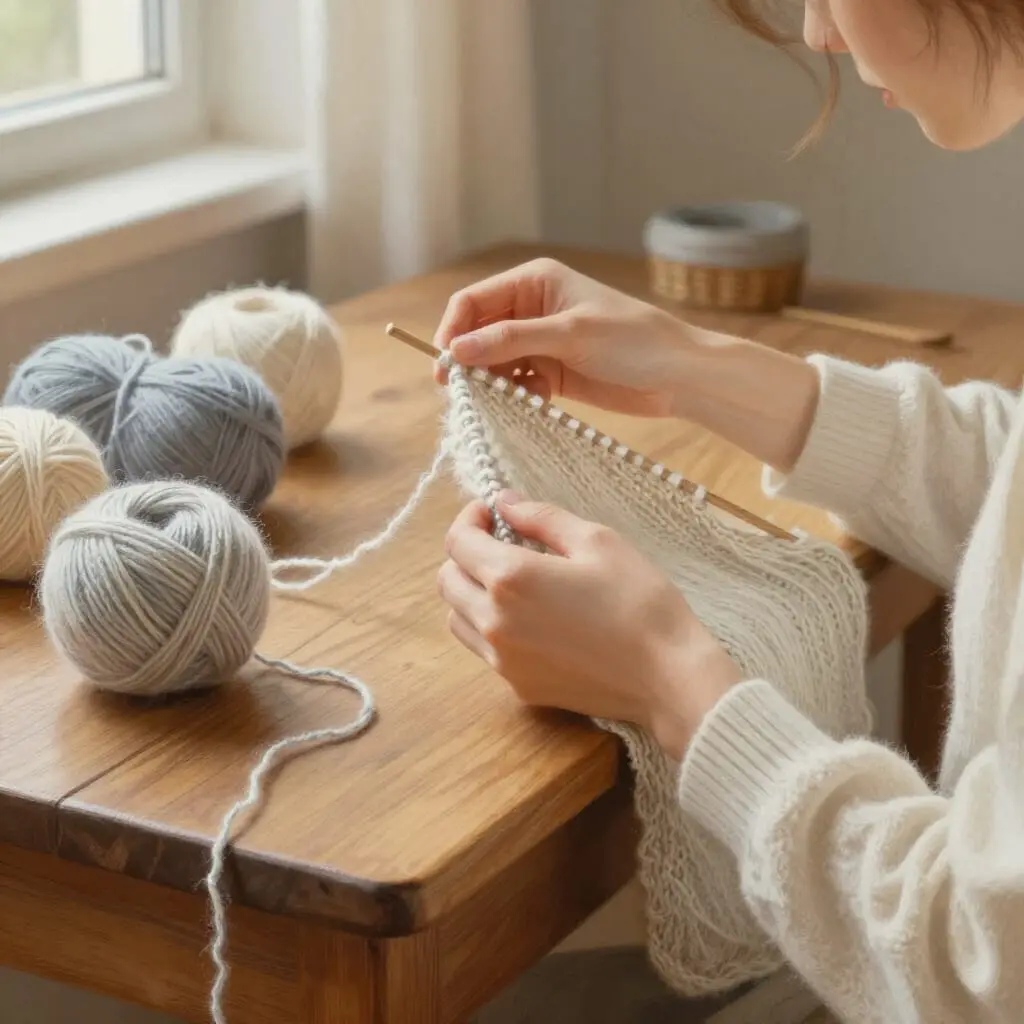
When knitting for a baby, priority is given to safety and softness. For adults, you can opt for slightly more robust fibers, but comfort remains essential. You should carefully check the fiber type, its treatment, density, and its ability to be washed without losing its softness. A well-chosen hypoallergenic yarn can transform a simple sweater into a piece you love to wear with total confidence.
Tips from a Passionate Knitter
For projects using hypoallergenic yarn, I prefer simple yet elegant stitches, such as stockinette or garter stitch, which highlight the softness of the fiber. Avoid stitches that are too tight, as they can increase friction against the skin. Above all, take the time to feel and touch the yarn before you begin: it’s a simple gesture, but it tells you everything you need to know about your upcoming knitting experience.
Care and Longevity of Hypoallergenic Yarn
Proper Washing and Drying
Caring for hypoallergenic yarn requires a little attention, but it’s nothing complicated. Fine natural wools should be hand-washed or put through a delicate cycle with a mild detergent. Synthetic yarns often tolerate machine washing. For drying, I recommend never wringing out the pieces; instead, lay them flat to dry away from direct sunlight. This helps preserve the shape, softness, and longevity of your knits.
Tips to Preserve Hypoallergenic Properties
To keep your hypoallergenic pieces in perfect condition, store them in breathable cotton bags, away from moths and moisture. Avoid harsh chemicals and opt for mild detergents or those specifically formulated for sensitive skin. These small attentions extend the life of your knits and preserve the magic of that soft touch against the skin.
| Yarn Type | Wash Care | Durability | Care Tips |
|---|---|---|---|
| Extra-fine Merino | Hand or delicate | Medium | Lay flat to dry, avoid hot water |
| Alpaca | Hand or delicate | Long | Store away from moisture |
| Treated Cashmere | Hand wash only | Medium | Special wool detergent, do not wring |
| Acrylic | Delicate machine | Long | Lay flat to dry, avoid high heat |
| Bamboo | Gentle machine | Medium | Avoid boiling water |
Ideal Knitting Projects for Hypoallergenic Yarn
For Babies and Children
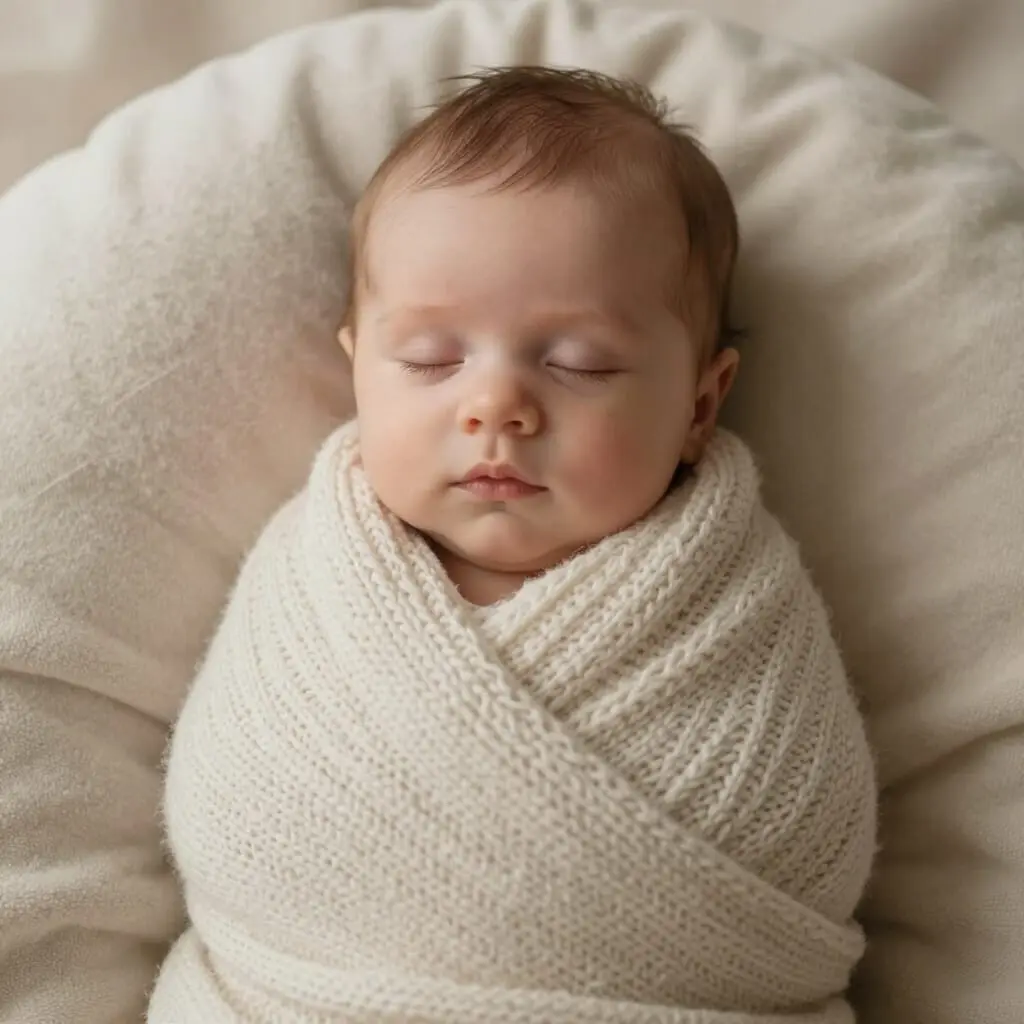
Nothing is more rewarding than knitting for a baby. A soft blanket, a little beanie, or a lightweight sweater made from hypoallergenic yarn provides both comfort and safety. These projects allow you to fully discover the nuances of the fiber while creating precious memories.
For Sensitive Adults
For adults, I love creating scarves, gloves, or light sweaters. Hypoallergenic yarns allow you to enjoy comfort without irritation, even on the most sensitive skin. If you are looking for textures that are both warm and lightweight for your projects, I invite you to check out our tips for warm and lightweight yarns, ideal for creating comfortable pieces for all seasons.
Quick FAQ on Hypoallergenic Yarn
Is hypoallergenic yarn truly safe for babies?
Yes, it significantly reduces the risk of skin reactions, but it is always recommended to test a small piece on the baby’s skin before prolonged use.
Can I use any type of knitting needle?
Generally, yes. However, for very fine fibers like merino, wooden or bamboo needles provide better control and help preserve the softness of the yarn.
What is the average lifespan of a hypoallergenic knit?
It depends on the fiber chosen and the care provided. Synthetic fibers often last longer, while natural wools must be handled with care to maintain their softness.
How do I know if a yarn is certified hypoallergenic?
Look for mentions on the label or the manufacturer’s website. Some brands explicitly state “hypoallergenic” or provide dermatological certifications.
Is hypoallergenic yarn washed the same way as other wools?
Not exactly. Fine natural wools require gentle hand washing or a delicate cycle, whereas some synthetic fibers can handle a gentle machine wash.
Hypoallergenic yarn is a true ally for knitting safely, whether for yourself or for a baby. It combines softness, comfort, and peace of mind, all while allowing you to create elegant and warm pieces. Every fiber has its personality, and every project is an opportunity to discover the magic of this special yarn. To explore the different types of wool in more depth and refine your choices, consult our comprehensive guide to yarn. With a little care and a lot of passion, your hypoallergenic knits will become true handmade treasures.
See Also
