
Ever since I fell in love with knitting, I’ve learned that every choice of yarn tells a story. Some fibers are simply soft and pretty, but others carry a much deeper value: respect for the environment and for the people who produce them. This is where eco-friendly wool comes in—it’s the kind of material that inspires me every time I pick out a new skein. In this article, I’m inviting you into my world as a conscious knitter, sharing practical advice, discoveries, and tips for knitting responsibly. And if you want to deepen your knowledge of wool in general, feel free to check out our guide on knitting yarn, a true goldmine for all enthusiasts.
What is Eco-Friendly Wool?
Definition and Materials
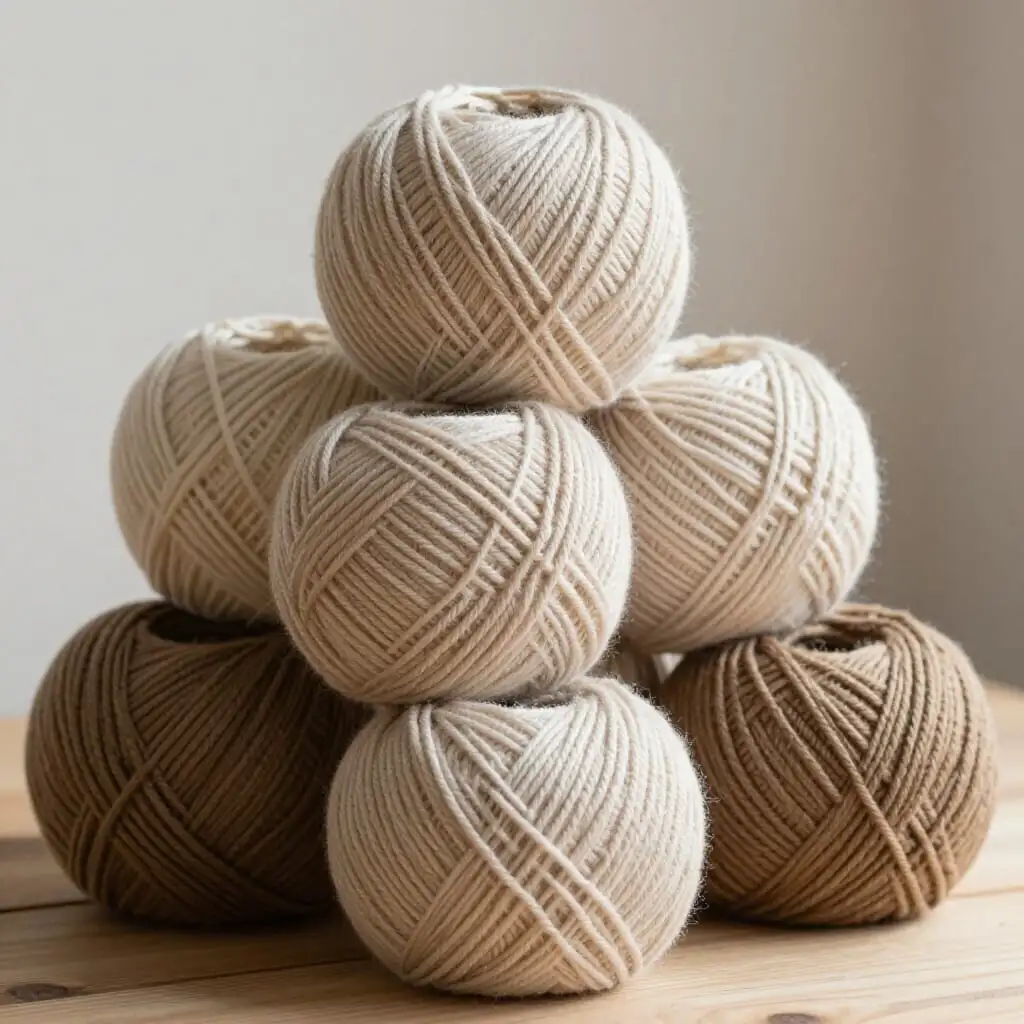
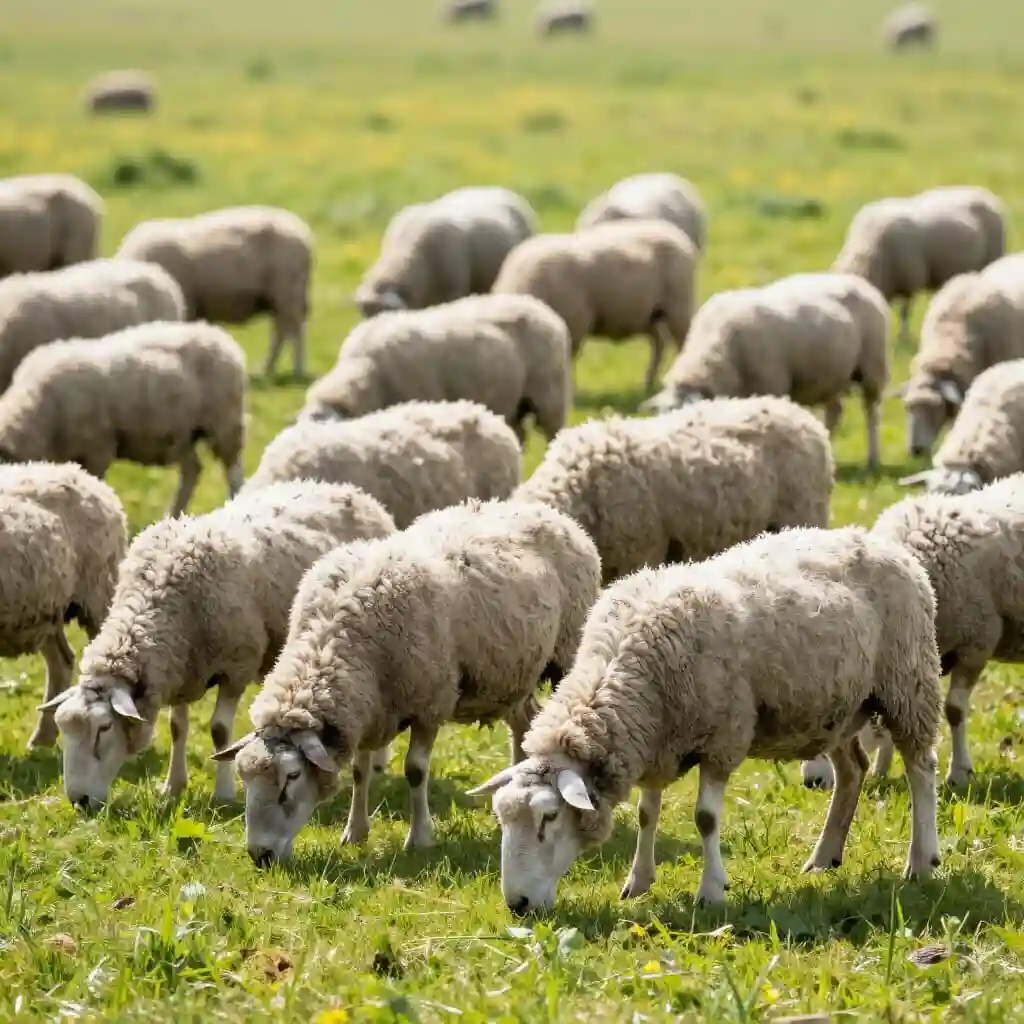
Eco-friendly wool isn’t just another “natural” fiber. It stands out because of its responsible production, respecting both the planet and the animals. These fibers often come from pasture-raised sheep, fed naturally, and sometimes from endangered local breeds. The entire process—from shearing to spinning—follows sustainable methods that minimize the ecological footprint.
What fascinates me is the diversity of materials found under the “eco-friendly” label. There is, of course, traditional sheep’s wool, but also alpaca, yak, and even recycled wools made from repurposed sweaters or textile scraps. Each fiber tells a different story, and knitting with them means participating in a more conscious approach to crafting.
How to Recognize Eco-Friendly Wool
Choosing eco-friendly wool can feel intimidating at first. For me, labels are a great roadmap. Certifications such as GOTS, OEKO-TEX, or RWS (Responsible Wool Standard) guarantee not only environmental respect but also decent living conditions for the animals. While these labels aren’t everywhere, they provide peace of mind for knitters concerned about their impact.
There are also subtler signs: natural undyed colors, a soft and slightly irregular texture, or explicit mentions of local, artisanal spinning mills. Combined, these elements allow you to make an informed and responsible choice.
Eco-Friendly vs. Ethical Wool: What’s the Difference?
Ethical Wool: The Human Element
When we talk about eco-friendly wool, we usually think of the environment. However, it’s important to understand the concept of ethical wool, which focuses on the humans behind the fiber. Ethical wool ensures that the artisans and workers have worked in dignified conditions, receiving a fair wage and having their fundamental rights respected.
For me, choosing ethical wool means supporting communities and often ancient savoir-faire. Although it can sometimes be harder to find, it adds an extra dimension to our knitting projects: knitting becomes an act of solidarity, almost a form of activism, where every stitch counts.
Finding the Synergy
Fortunately, the line between eco-friendly and ethical wool isn’t rigid. Many brands today strive to respect both the environment and the people involved. Choosing a yarn that checks both boxes combines sustainability with solidarity. Personally, I always try to opt for these options when preparing projects for my family or for gifts, because the finished piece then becomes a thoughtful and responsible gesture.
How to Choose the Right Eco-Friendly Wool for Your Project
Knitting for Yourself, Babies, or Gifts
When I plan a new project, the choice of yarn is crucial. For an adult sweater, I often prioritize warmth and softness. But when knitting for a baby, the wool must be not only soft but also hypoallergenic. In those cases, I often complement my eco-friendly wool with certified options like those you can discover on our dedicated page for hypoallergenic yarn.
Every project deserves special attention: a scarf for a traveling friend, a sweater to brave the winter, or a lovey for a newborn. Eco-friendly wool adapts beautifully to these different uses, adding that little bit of “soul” that makes me smile with every stitch.
Tips for Caring for Your Eco-Friendly Wool
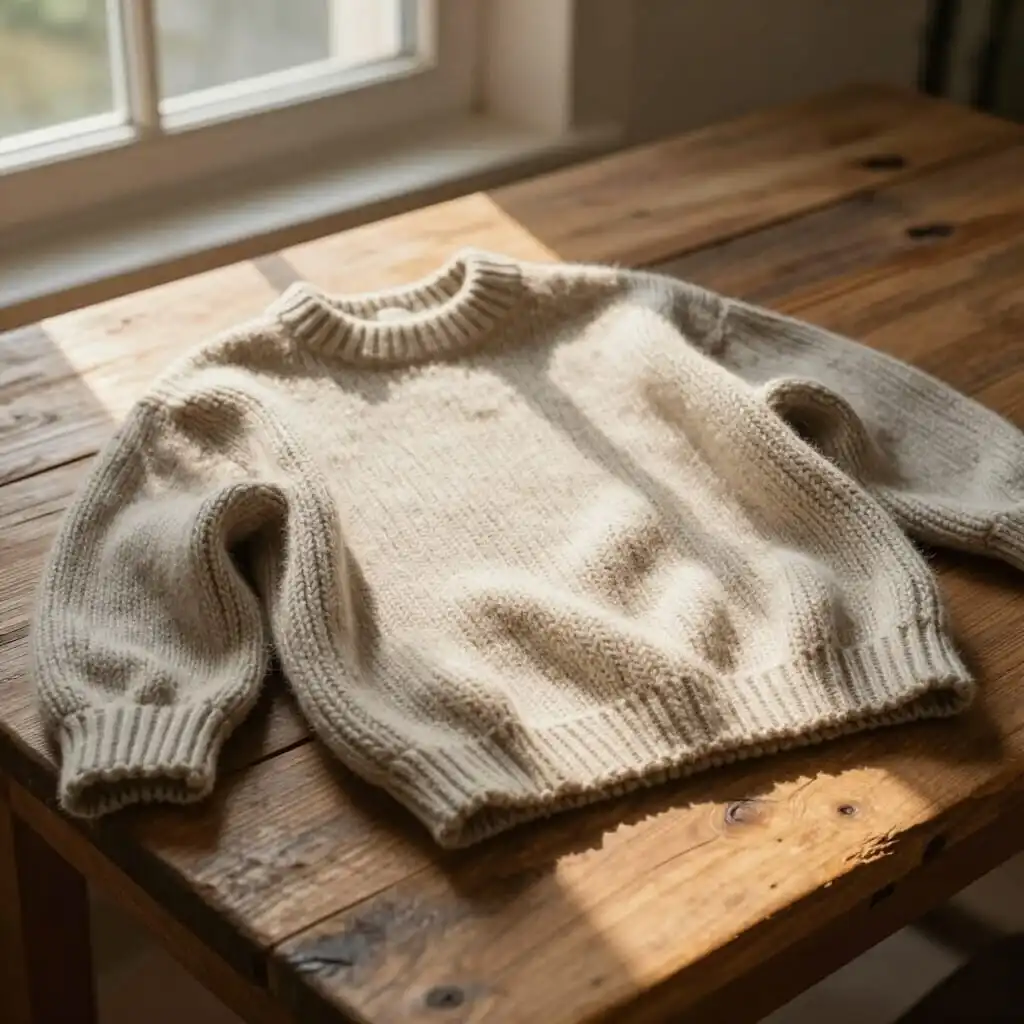
Eco-friendly wool deserves as much attention after knitting as it did before. To preserve its qualities, I recommend hand washing with a mild detergent, or using a delicate machine cycle with a mesh laundry bag. Laying the garment flat to dry, away from direct heat, preserves its shape and softness. Even by adopting an eco-friendly approach, you can extend the life of your creations and reduce the overall environmental impact of your projects.
The Benefits of Eco-Friendly Wool
What appeals to me most about eco-friendly wool is the unique combination of comfort and responsibility. It is soft, breathable, and durable, but it also tells a story of respect for the planet and animals. In my eyes, it’s a small daily gesture that takes on full meaning when you knit with passion.
Where to Find Quality Eco-Friendly Wool
Recommended Brands and Online Shops
Finding eco-friendly wool might seem complicated, but the web is full of gems and small artisanal brands that share this passion. I always prioritize local shops and spinning mills that are transparent about their responsible practices. Major brands are also beginning to offer certified ranges, making it easier for those just starting their eco-responsible knitting journey.
FAQ – Eco-Friendly Wool
What is the difference between eco-friendly wool and organic wool?
Organic wool follows very strict guidelines regarding livestock farming and agriculture, while eco-friendly wool focuses more broadly on overall environmental impact and responsible production methods.
Is eco-friendly wool more expensive?
It can be, but this often reflects the true cost of sustainable and respectful practices. By shopping around, you can find beautiful skeins at reasonable prices.
Can eco-friendly wool be used for baby knitting?
Absolutely, especially if it is paired with hypoallergenic certifications. See our guide on hypoallergenic yarn for more details.
How can I tell if a wool is truly eco-friendly?
Look for labels (GOTS, OEKO-TEX, RWS), brand transparency, and the origin of the fibers. The tactile quality and the natural appearance of the fibers are also good indicators.
Is eco-friendly wool as “itchy” as classic wool?
Not necessarily. Certain eco-friendly fibers, such as alpaca or merino, are incredibly soft and comfortable, making them suitable even for sensitive skin.
Knitting with eco-friendly wool is more than just a choice of material: it is a thoughtful gesture, a personal commitment, and a source of daily satisfaction. Each skein becomes a little treasure to work with, respecting our planet and all living beings. By combining consciousness and creativity, our knitting projects gain meaning and beauty. For those who want to explore all the available types of yarn in more depth, I invite you to visit our pillar page on knitting yarn. Now, grab your needles and start knitting with passion and responsibility!
See Also
