
In short
- A plush, stretchy, and reversible knitting technique.
- Ideal for creating cozy scarves, beanies, and sweaters.
- Can be worked flat or in the round using double-pointed needles (DPNs).
- Requires mastery of yarn overs and slipped stitches.
The brioche stitch is a reversible, stretchy, and ultra-soft knitting technique, perfect for creating squishy pieces like scarves, hats, or sweaters. Unlike classic stitches, it doesn’t always require turning the work every row, making it particularly well-suited for projects knitted in the round with double-pointed needles. Its characteristic texture, defined by ribs and yarn overs, provides an aesthetic finish and natural elasticity, while allowing for two-color work to create varied visual effects.
Whether you are working a flat or circular pattern, the logic remains simple: knitting together a stitch and its yarn over from the previous row, while following precise alternations depending on the direction of the knit. Perfect for both beginners and experienced knitters, the brioche stitch combines simplicity and versatility, resulting in a durable and comfortable fabric.
To master this stitch, it is essential to understand the basic principle: not every stitch is worked on every row. Instead, they are paired with their yarn over to form those typical ribs. This method prevents holes and gives the fabric its elastic structure, which is indispensable for accessories like beanies or scarves that need to fit the body’s shape.
Double-pointed needles are especially useful for circular projects, such as hats or sleeves, as they allow you to distribute stitches evenly and maintain the necessary tension. Finally, the ability to work in one or two colors adds a creative dimension while strengthening the fabric through the interlacing of yarns.
What is Brioche Stitch?
Brioche stitch is distinguished by its plush and reversible texture, achieved through a specific technique where stitches are not worked every row but are associated with a yarn over to create visible ribs. Unlike stockinette or standard ribbing, it doesn’t necessarily require turning the work, which greatly simplifies the process, especially for beginners. This characteristic makes it a top choice for projects like scarves, beanies, or sweaters, where comfort and natural stretch are essential.
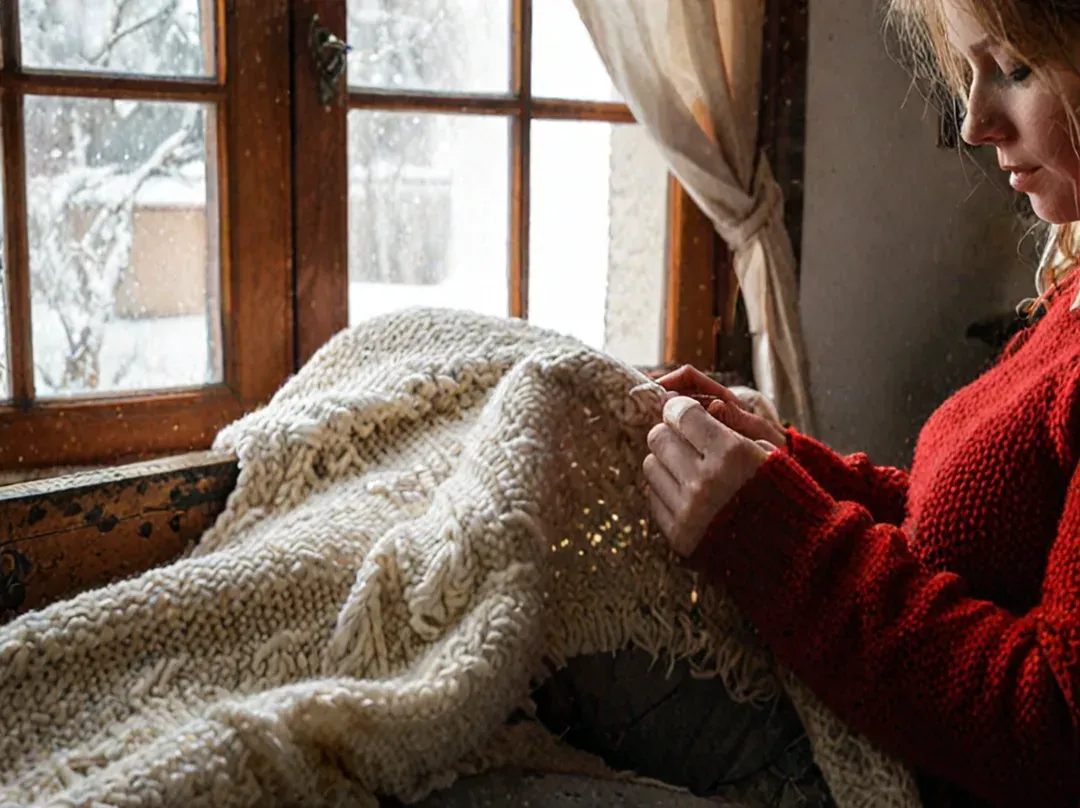
Brioche can be executed flat or in the round, following a common basic logic: knitting a stitch and its yarn over from the previous round together, alternating rounds according to a precise pattern. When working in the round, it is essential to use an even number of stitches to ensure the pattern remains balanced, whereas when working flat, alternating between two main rows is sufficient to achieve the characteristic effect.
Knitting Brioche Stitch with Double-Pointed Needles
Double-pointed needles (DPNs) are particularly well-suited for brioche stitch because they allow you to work in the round without seams or a visible start-of-round mark. To begin your brioche stitch tutorial with DPNs, start by casting on your stitches and distributing them evenly across the needles.
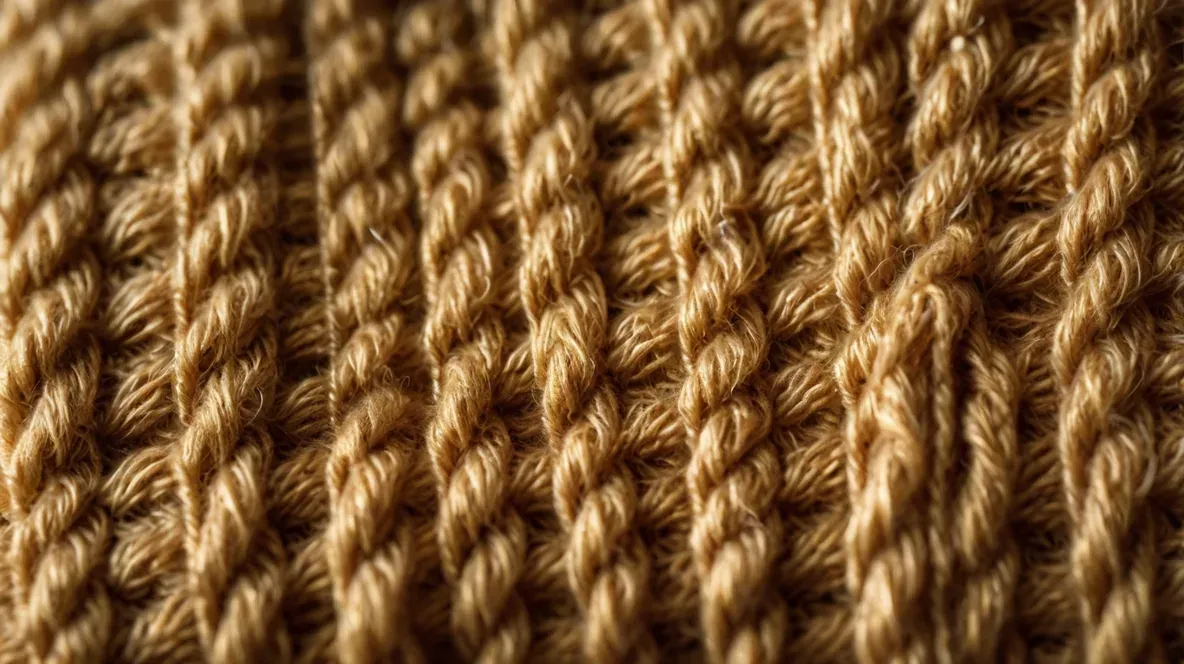
Brioche is characterized by its visible loops that create a textured effect, ideal for projects like hats or scarves. Using DPNs prevents the uneven tension often encountered with straight needles and makes it easier to move stitches to form the characteristic loops of the stitch.
Knitting Brioche in the Round
To knit brioche in the round with double-pointed needles, start by creating a yarn over and placing your stitches on the needles. Circular two-color brioche requires careful attention to color alternation: work the brioche stitches (loop + slipped stitch) and change yarn colors every round if necessary.
For a harmonious result, use yarns of the same weight to avoid distortion. Double-pointed needles help maintain a constant tension, which is essential to keep the brioche loops regular around the entire circumference. This process is highly valued for projects like beanies or socks, where circularity is key.
Knitting Brioche Flat
Knitting brioche flat with straight needles requires a slightly different but equally effective method. After casting on, start by knitting one row of knit stitches to stabilize the work, then alternate the loops and slipped stitches according to the classic brioche pattern.
To avoid twisting, slide the slipped stitches toward the back of the needle on each row. This method is ideal for projects like scarves or blankets, where brioche provides a warm and elastic texture. Straight needles allow for better control of stitch tension, especially for beginners, while offering the flexibility to adjust the pattern as needed.
Working with Two-Color Brioche
Two-color brioche offers a dynamic and textured visual result, where two colors intertwine to create a relief and dimensional effect, far more pronounced than in single-color knitting. This technique, often perceived as complex, relies on a rigorous alternation of rounds and precise yarn management to avoid knots or uneven tension.
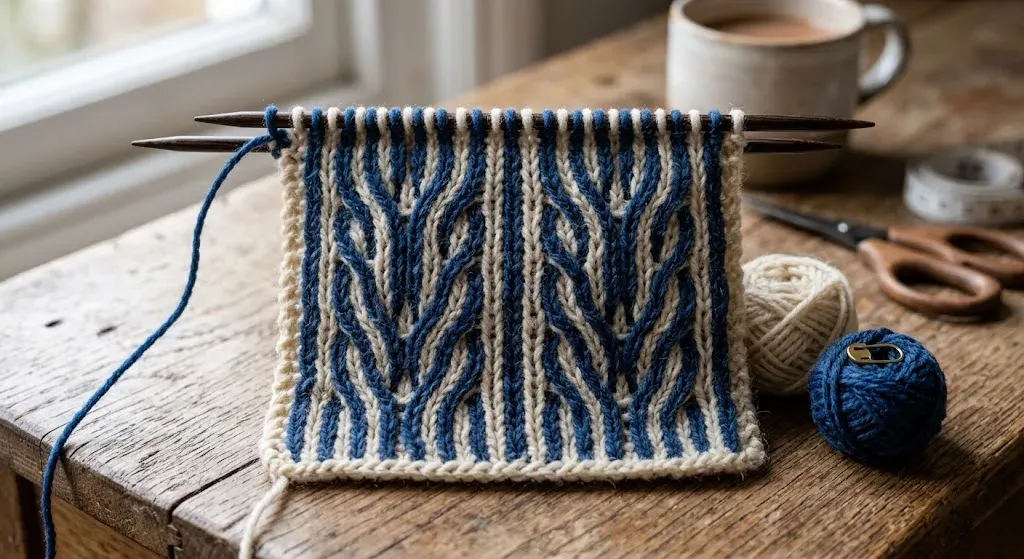
Unlike classic brioche, where only one yarn is used, two-color brioche requires mastery of color transitions while maintaining the characteristic structure of visible loops. For beginners, this variation may seem intimidating, but it allows you to add an original and sophisticated touch to projects like scarves, beanies, or sweaters, where the contrast highlights the patterns.
Creating a two-color brioche stitch is based on a sequence of alternating rounds, where each color is used at specific moments to form the patterns. In the first round, the main color is used to knit the stitches while keeping the yarn in front, while the slipped stitches prepare for the insertion of the secondary color in the second round. The second color is then passed over the stitches to create diagonals—a key step that distinguishes this stitch from single-color techniques.
The third and fourth rounds repeat the main and contrasting colors in a symmetrical pattern, ensuring the yarns are brought to the front or back of the work to maintain the continuity of the loops. The key is consistency: every stitch must be treated the same way to avoid irregularities, and the yarns must be tensioned uniformly for a harmonious look.
- Round 1 (Main Color): Knit one stitch, bring yarn to front, then slip the next stitch as if purling before knitting the next stitch.
- Round 2 (Contrasting Color): Join the new yarn, slip the stitch by passing the yarn over the needle to create a diagonal, then purl the next stitch.
- Round 3 (Main Color): Resume the first color, knit the first stitch, bring yarn to front, slip the stitch, and knit the next stitch with the yarn over.
- Round 4 (Contrasting Color): Slip the stitch by passing the yarn over the needle to bring it to the front, then purl the next stitch with the yarn over.
Mastering Brioche Finishing
Finishing your brioche project is a crucial step to ensure the durability and elasticity of your work. Unlike other stitches, brioche creates a heavy relief that requires special care to avoid deformation or unnecessary tension. A poorly executed finish can ruin the natural suppleness of the fabric, especially when using DPNs for projects like hats or scarves.
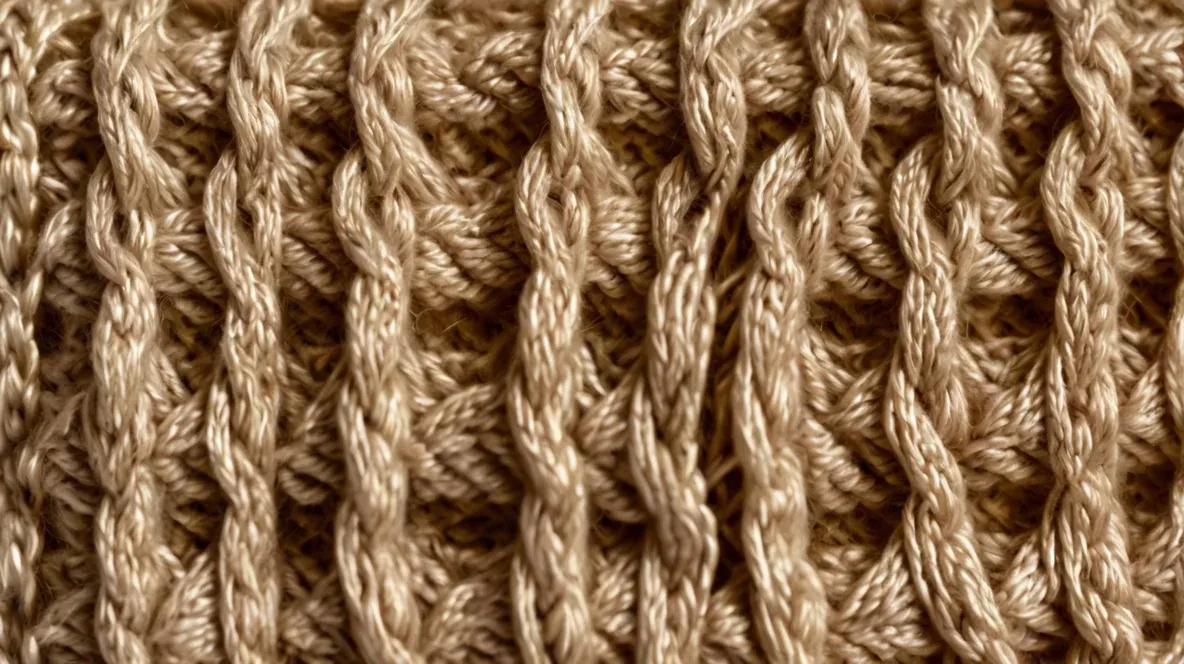
To preserve the visual effect and the structure of the work, it is essential to use adapted techniques, such as specific selvage edges and binding off, which respect the relief structure of the stitch. These details, often overlooked, make the difference between a professional result and a piece that loses its shape after a few washes.
Which edge to use for brioche stitch?
| Row Type | Edge Instructions |
|---|---|
| Even rows | Knit 1, slip 1 purlwise with yarn in front, then knit 1. |
| Odd rows | Slip 1 purlwise with yarn in front, knit 1, then slip 1 purlwise with yarn in front. |
The key to brioche edges lies in the distinction between even rows and odd rows, as their structure differs. When working an even row, the recommended method is to knit 1 stitch, then slip 1 stitch purlwise with the yarn in front (noted as sl1pwiyf), before knitting 1 stitch on each side. This sequence, repeated at each end, ensures a fluid transition between the body of the work and the edge.
Conversely, for an odd row, the technique requires slipping 1 stitch purlwise with the yarn in front (sl1pwiyf), then knitting 1 stitch, and finally slipping 1 stitch purlwise with the yarn in front (sl1pwiyf) again on each side. These steps, though simple, prevent tensions that could warp the edges and compromise the elasticity of the brioche stitch. A common mistake is applying the same movements as used in stockinette, which creates visible irregularities.
How to bind off brioche?
Binding off in brioche requires a different approach than that used for flat stitches or tight stitches. To obtain a supple and uniform result, you must bind off each purl loop as a purl and each knit stitch as a knit, following their natural orientation in the fabric. The trick is the gradual stretching of the loops before sliding them off the needle: the more the stitches are stretched, the more resistant the bind-off will be and the less likely it is to unravel.
However, excessive tension can stiffen the edge, while too much slack may create holes. For DPN projects, such as hats or socks, this movement must be executed with precision, as it directly influences the final shape of the garment. It is an often underestimated technique that contributes to an impeccable finish.
FAQ
How do you knit the brioche stitch? Brioche is knitted by alternating worked stitches and slipped stitches accompanied by yarn overs, creating a thick, ribbed relief.
What is the difference between brioche stitch and English rib? While visually similar, brioche relies on specific yarn overs and slipped stitches that give it unique elasticity and reversibility.
How do you knit a double seed stitch? Double seed stitch is a textured variation that uses specific twists or increases, and is different from the yarn-over structure of brioche.
What is the most beautiful knitting stitch? Beauty is subjective, but brioche is highly prized for its luxurious, plush appearance and spectacular two-color patterns.
Is brioche stitch reversible? Yes, brioche is a reversible stitch that looks identical on both the right and wrong sides of the work.
Sources
See also
- knitting a sweater
- knitting a baby hat
- My first pair of knitted socks!
- hand-knitted gift ideas