
In short
- Current trends favor mauve, orange, and seafoam green.
- Merino wool is prized for its extreme softness and thermoregulating properties.
- Choosing the right skein depends on the fineness (microns), treatment (superwash), and intended use.
- Heathered palettes with deep tones remain a reliable choice for versatility.
This season, new colors in Merino wool are striking a balance between vibrant energy and sophisticated elegance. The standout shades dominating current palettes are mauve, orange, and seafoam green, bringing an immediate freshness to any knitting project.
At the same time, there is a marked return to deep tones and heathered effects, allowing for the creation of luxurious and timeless pieces. Whether you are aiming for a minimalist Nordic style or a modern look, the choice of color is essential to highlight the softness and exceptional drape of the Merino fiber.
What are the trending new colors for Merino wool?
The world of knitting is constantly evolving, and choosing the right hue is the crucial step in transforming a classic pattern into a contemporary fashion piece. Currently, new Merino wool colors are moving in two main directions. On one hand, we are seeing the emergence of vibrant chromatic ranges. Mauve, orange, and seafoam green have established themselves as the colors of the season, perfect for adding energy to a sweater or accessory. These shades provide a touch of light and modernity, moving away from basic neutrals to make a bold style statement.
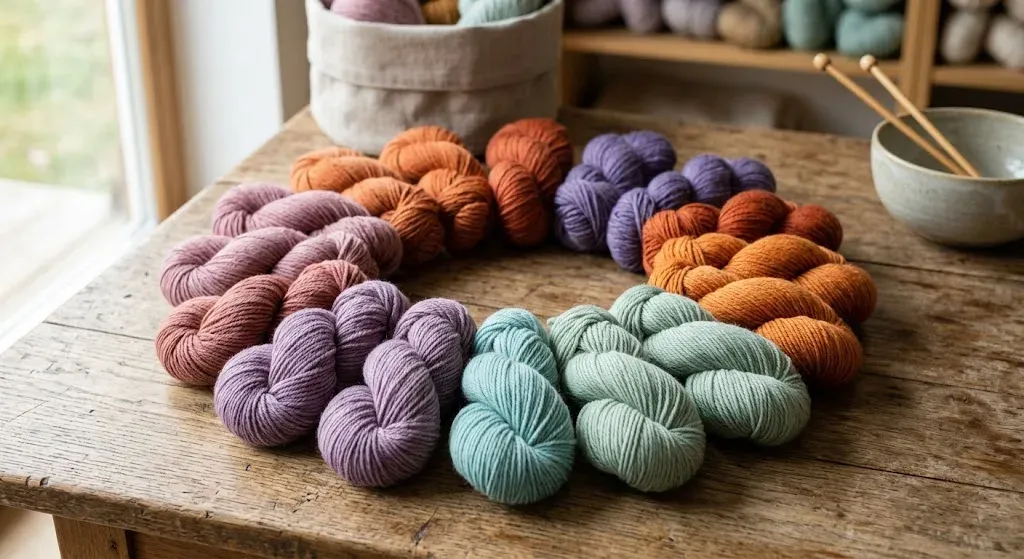
On the other hand, there is a trend toward a more muted elegance. The use of deep tones and heathered palettes creates interesting visual texture, even with simple knitting stitches. Heathered colors, which blend several strands of similar tones, prevent monotony and give the garment an artisanal, precious dimension. You will find compositions where brown blends with earthy touches or anthracite greys with bluish reflections.
To pair these colors, using a color wheel is a major asset. For a Nordic style, stick to neutral base colors (off-white, beige, light grey) accented by a single strong color like orange or green. If you want a modern look, don’t hesitate to experiment with complementary contrasts, such as pairing a deep mauve with a pale yellow.
For a classic style, stick to analogous tones, using different shades of blue or green for a harmonious gradient effect. The secret lies in balance: a bright color should be punctuated by more sober tones to avoid overwhelming the eye.
- Beige and blue tone combinations
- Beige and red tone pairings
- Vibrant ranges: Mauve, Orange, Seafoam Green
- Heathered palettes with 21 deep shades
How to choose the right Merino wool?
Choosing the right Merino wool is about more than just aesthetics. The quality of your finished piece depends directly on the raw material. To guarantee a professional result, it is essential to analyze the exact composition of the skein and the origin of the fiber. High-quality wool is recognized by its consistency and elasticity, factors that will influence how the garment holds its shape over time.
What to look for when buying Merino wool?
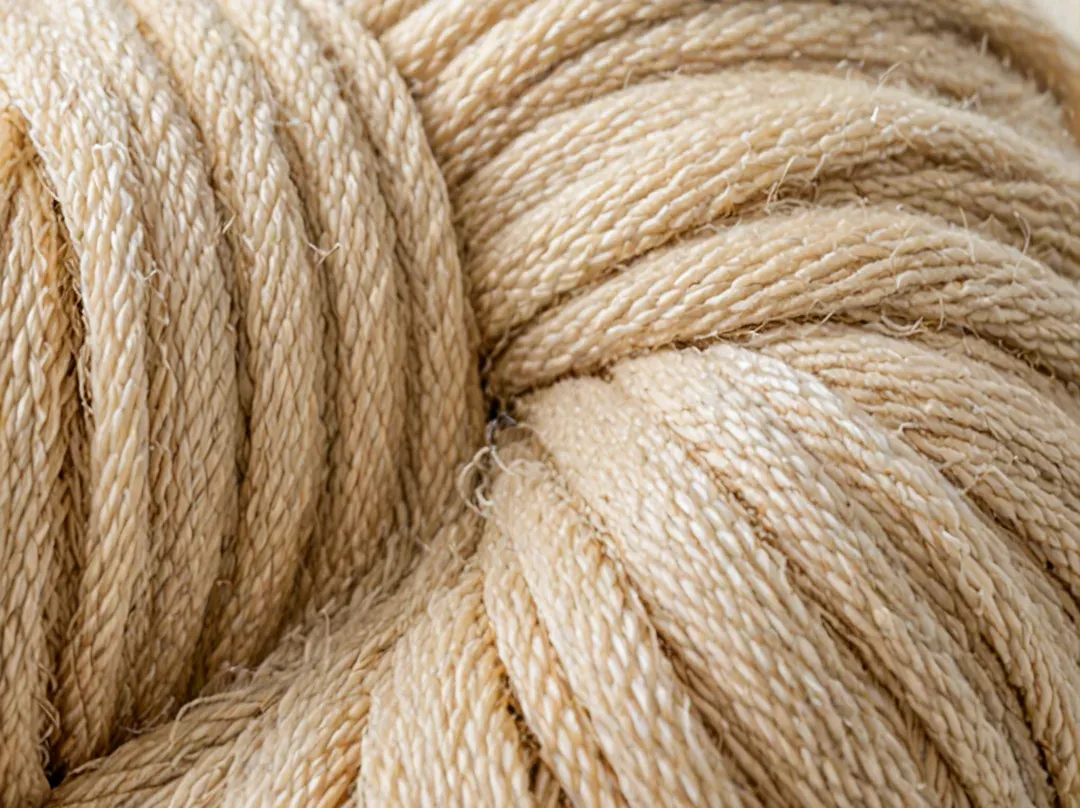
When purchasing a skein, the first technical criterion to check is the fiber fineness, expressed in microns. The lower the number, the thinner the fiber, and therefore the softer it feels against the skin. For optimal comfort, especially for garments worn directly against the skin, look for a fineness between 15 and 20 microns. Below this threshold, the wool becomes extremely luxurious, eliminating any prickling sensation.
The treatment method is another deciding factor. You will find superwash wools and untreated wools on the market. Superwash treatment modifies the surface of the fiber to prevent felting, making the garment machine-washable. Conversely, untreated wool retains all its natural properties and loft but requires very delicate hand washing.
Traceability is also a mark of quality. Checking the origin of the wool ensures that production standards are respected. Finally, adapt your choice to the project: a very fine Merino wool will be perfect for a light mid-season top, while a thicker version or a bulky Merino wool skein would be preferred for an oversized sweater or a very warm accessory.
- Wool origin for traceability
- Fiber fineness (ideally 15 to 20 microns for comfort)
- Treatment (superwash for easy care or natural for traditional properties)
- Intended use (fine for clothing, thick for durability)
- Budget and reviews from other knitters
Why choose Merino wool for your garments?
The popularity of Merino wool in garment making is due to its exceptional intrinsic properties. Unlike standard wool, which can be scratchy, Merino is known for being soft, supple, and bouncy. This makes it the ideal material for pieces that touch the face or neck, as it does not itch.
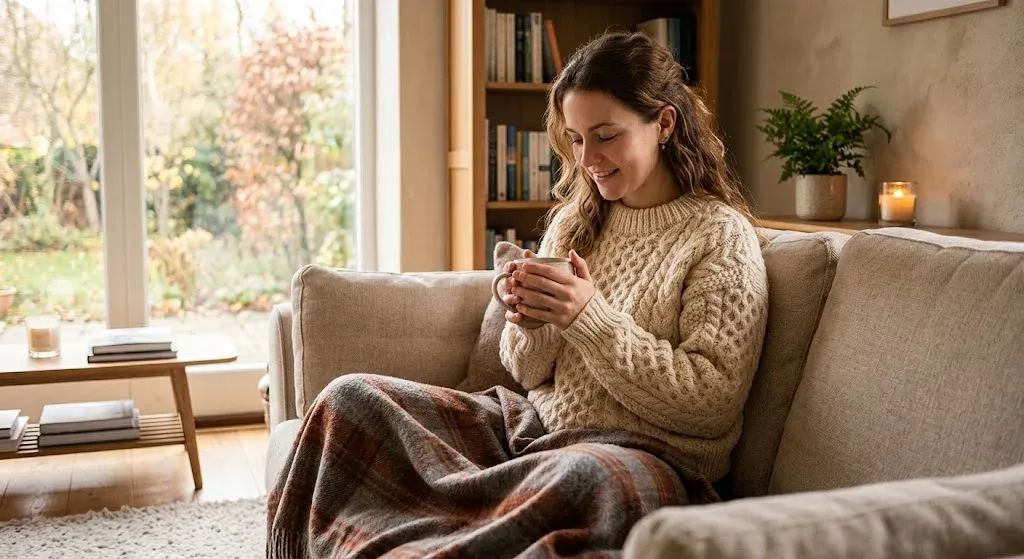
One of the major advantages is its thermal management. Merino fiber has a natural ability to regulate body temperature: it keeps you warm during temperature drops while preventing excessive perspiration. This breathability is coupled with excellent moisture management, as the fiber can absorb a significant amount of water vapor without feeling damp to the touch.
From a hygiene perspective, Merino is naturally antibacterial. It does not retain odors, which allows a garment to be worn several times between washes, reducing the environmental impact associated with maintenance. Additionally, this fiber dries very quickly, a valuable asset for winter accessories. Whether for daily city wear or outdoor activities, Merino offers superior thermal and skin comfort, combining technical performance with refined aesthetics.
- Exceptional softness and flexibility
- Ability to keep you warm without overheating
- Antibacterial properties and odor resistance
- Fast drying and non-itchy feel
- Lofty and bouncy texture
Which Merino wools to choose for your DIY projects?
For your DIY projects, the choice of brand and yarn type should align with the knitting stitch used. Renowned houses such as Fonty, Madeline Tosh, Sandnes Garn, Tôt le Matin Yarn, or Knitting For Olive are references for their stability and rich palettes.
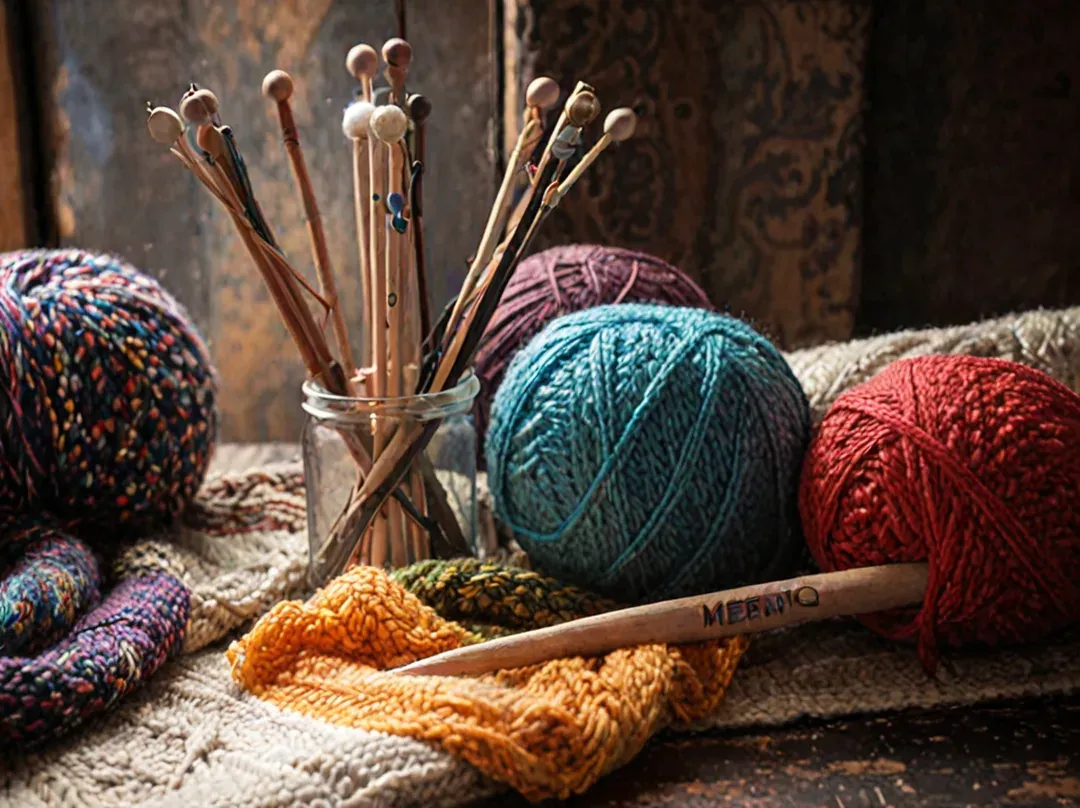
The type of yarn directly influences the look of the pattern. For Fair Isle or Jacquard work, where multiple colors are alternated to create designs, prioritize a well-defined yarn with a clean twist so that the patterns are perfectly legible. For ribbing or seed stitch, a yarn with a bit of loft will accentuate the relief. Conversely, for lace work, a fine and smooth Merino wool will highlight the transparency and delicacy of the stitches.
Yarn variations also offer diverse creative possibilities. Beyond solids, you can opt for gradient yarns for a watercolor effect, or yarns enriched with beads or sequins to add a luminous touch to a festive creation.
An essential tip for successful projects: always knit a gauge swatch. Even with Merino wool of the same weight, tension can vary from one brand to another. The swatch allows you to check if the new colors meet your expectations and if the garment size will be accurate. This is also the perfect time to test the interaction between two colors and ensure there is enough contrast for the chosen pattern.
- Nimbus wool by Fonty
- Tosh DK by Madeline Tosh
- Double Sunday by Sandnes Garn
- Knitting For Olive yarn
- Merino d’Arles by Tôt le Matin Yarns
FAQ
What are the downsides of Merino wool? Some untreated Merino wools are more fragile during washing and can felt if they are not washed with care.
What is the difference between Merino wool and regular wool? Merino comes from a specific breed of sheep that produces a much finer, softer, and less irritating fiber than common wool.
What is the best brand of Merino wool? The choice depends on the project, but brands like Fonty, Madeline Tosh, or Sandnes Garn are highly regarded for their quality.
What are the best wools for knitting? Merino wools, especially in heathered or gradient versions, are highly praised for their elegant finish and softness.
How do I care for a Merino wool garment? It is recommended to hand wash or use a delicate wool cycle, especially for non-superwash fibers.
Sources
See also
- knit a sweater
- knit a baby hat
- first knitted sock
- handmade knitted gifts
