
In short
- Irish sweaters are characterized by their intricate cables and dense virgin wool
- Completing one requires patience, potentially taking up to 60 days of work
- Using a cable needle is essential to create the patterns
- Choosing the right wool is crucial to ensure warmth and moisture absorption
Irish sweaters are characterized by their intricate cables and dense virgin wool. To make one, using a cable needle is essential for creating the patterns. Selecting the right yarn is also vital to ensure warmth and moisture management.
Completing this project requires great patience, as knitting an Irish sweater can take up to 60 days of work.
Understanding the basics of Irish knitting
To learn how to knit an Irish sweater, you must first choose a suitable pattern and master stitch crossing techniques. This preparation includes selecting the appropriate tools and learning specific stitches. A methodical approach allows you to tackle the complexity of the patterns with confidence.
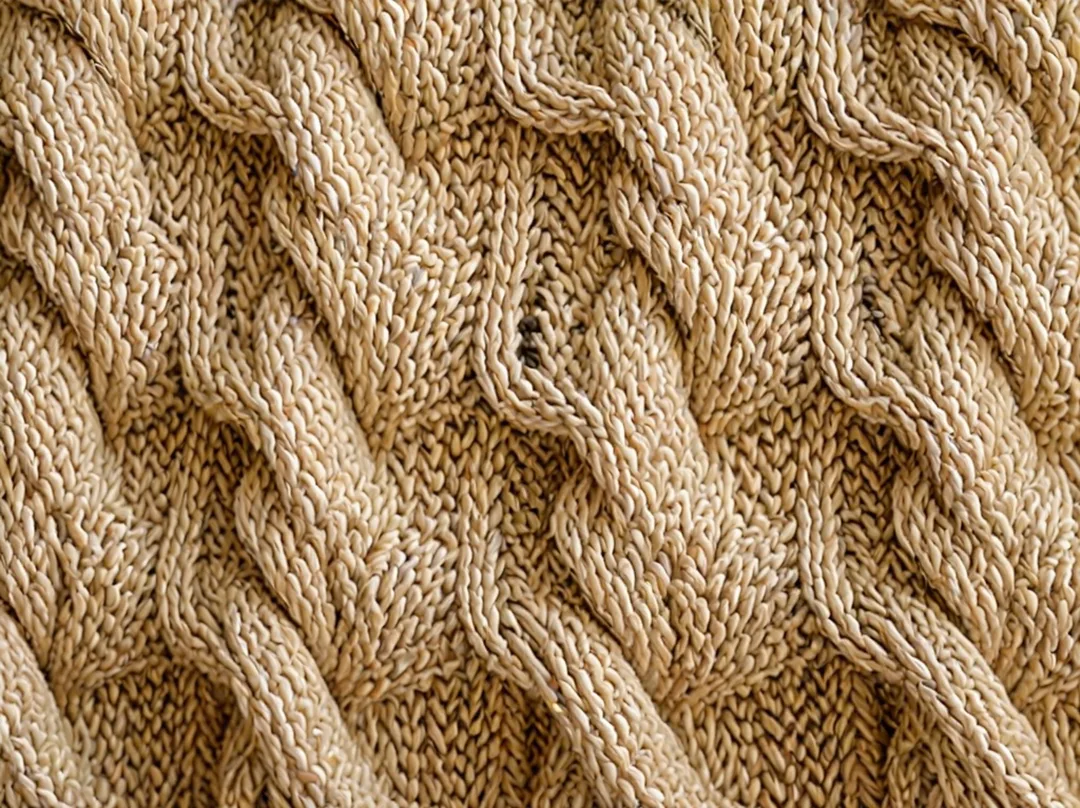
What is an Irish sweater? This traditional garment, often called an Aran sweater, is distinguished by its raised patterns and its ability to absorb up to 30% of its weight in moisture. This technical property ensures effective thermal protection and optimal moisture management.
The complexity of the patterns requires a slow working pace. Knitting an Irish sweater can take up to 60 days of work, making it an ambitious project that demands constant concentration.
Essential materials for a successful sweater
The success of a project relies first and foremost on a rigorous choice of materials. To guarantee a sturdy structure and optimal warmth, choosing the right wool is paramount. A top-down Irish sweater is knitted in 100% pure virgin wool, which results in a garment that is both dense and insulating. This natural fiber ensures the intricate patterns hold their shape and provides the thermal comfort necessary for cold temperatures.
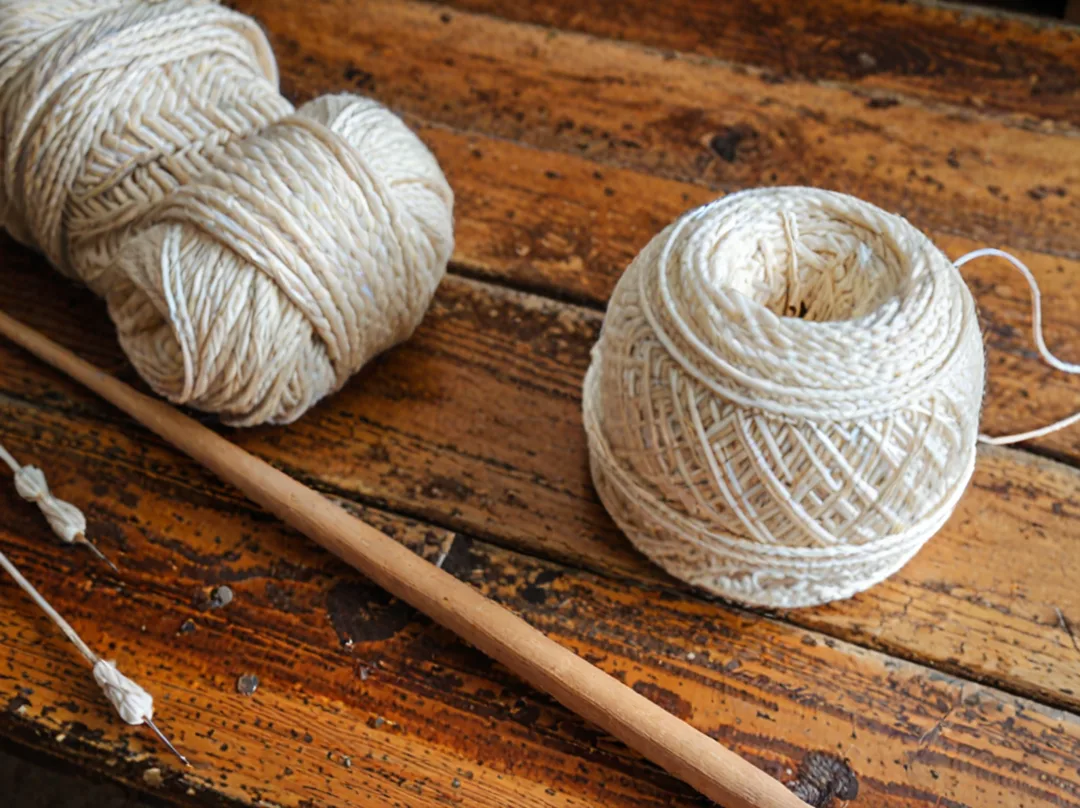
Using high-quality yarns directly influences both the visual result and the longevity of the garment. To achieve a professional look, Irish sweater models are knitted with high-quality yarns such as Lang Yarns Merino 120, Merino +, and Merino 150. These options allow for precise definition of the cable reliefs and ensure an impeccable finish, which is essential for knitting at this level of complexity.
Supplies based on your chosen model
The number of skeins and the needle size vary considerably depending on the project. Requirements differ whether you are making a garment for a woman, a man, or even a dress. It is therefore important to carefully check the specifics of your pattern to prepare your materials before starting.
| Model | Target | Skeins | Needles |
|---|---|---|---|
| Flora | Women | 8 to 12 | 4mm |
| Robin | Men/Kids | 16 to 19 | 3.5mm |
| Gardenia | Women (Dress) | 14 to 17 | 4mm and 4.5mm |
Mastering Irish stitches and patterns
The structure of an Irish sweater is characterized by pronounced textures and complex patterns. To answer the question, "How do I knit with Irish stitches?", you must understand that everything relies on moving stitches using an auxiliary needle. This technique allows you to change the order of the stitches on the needle, creating volume and crossings that give the garment its sculptural, traditional look.
The Trinity Stitch
The Trinity stitch is one of the most iconic motifs of the Irish style, often symbolizing faith. Technically, it is worked by knitting three stitches into one and one stitch into three. This interplay of increases and decreases creates a unique relief, forming small buttons or tight interlacings. This rigorous manipulation of stitches produces the dense, rich texture typical of traditional sweaters from this region.
Using a cable needle
A cable needle is the indispensable tool for creating crossings and braids. It serves as a temporary holder to hold a few stitches in suspense while you knit the following ones. Once this shift is made, you then knit the stitches held on the auxiliary needle. This simple process allows you to cross the yarn strands and generate the characteristic raised patterns of Irish knitting.
Irish sweater: how to knit this cable model?
Knitting an Irish sweater relies on a precise structure where cables and raised patterns provide its distinctive character. Before starting, you must define the garment's construction: the shoulders, armholes, and body should be knitted separately and then carefully assembled to avoid irregularities.
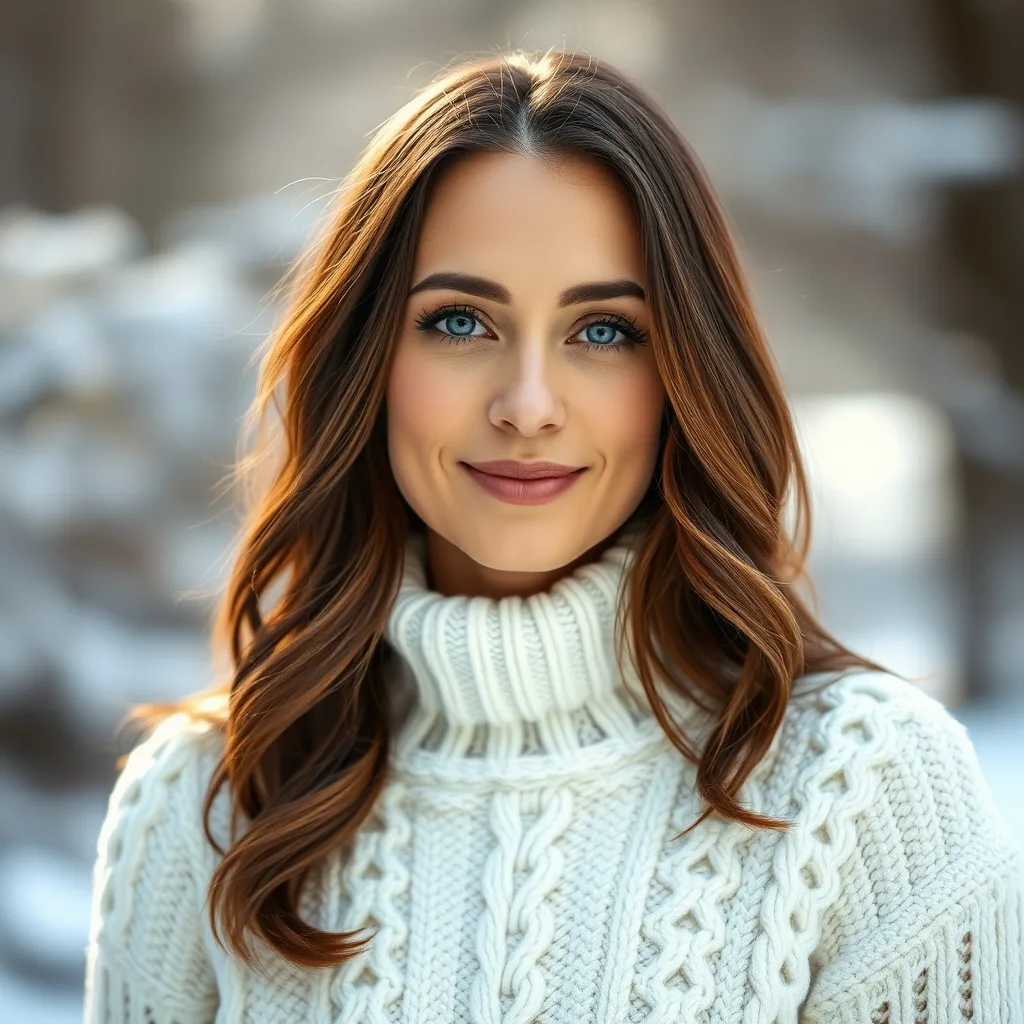
The choice of base stitch (stockinette, rib, or garter stitch) also influences how the cables hold their shape, as they often require an elastic yarn to withstand the tension. Once these elements are mastered, the knitting unfolds in several logical phases, where each step prepares the next, such as setting up the panels or performing invisible seams.
Step-by-step instructions
Making an Irish sweater follows a rigorous chronological process, beginning with the shoulder construction before working down toward the body. After knitting the two panels separately, the shoulders are assembled by sewing them together or knitting them together, depending on the pattern. Next comes the creation of the front and back panels, where the cables are gradually integrated to create the characteristic motif.
Finally, the armholes are shaped, and the entire piece is assembled using discreet seams, often done by hand with a wool yarn for a seamless look. Each step requires careful attention to measurements and symmetry to ensure a garment that is both aesthetic and comfortable.
- Create a swatch to check cable tension
- Casting on and knitting the ribbing
- Setting up the central panel and cable patterns
- Shaping armholes and the neckline
- Assembling pieces and finishing seams
Adapting the model for the wearer
Finally, knitting an Irish sweater for a child requires simplifying certain patterns to prevent the garment from becoming too stiff or uncomfortable. The cables are reduced in size and number, with regular spacing to allow for good air circulation.
Lightweight yarns are used, such as elastic cotton or fine merino wool, for a soft feel and optimal breathability. Bright colors and playful patterns, such as animal-shaped cables or geometric motifs, are preferred to catch a child's eye. Sizes are adjusted with safety margins to allow for growth without frequent adjustments.
Tips for a professional result
The consistency of the patterns relies on constant attention throughout the entire knitting process. Counting rows is an essential action to guarantee consistent cables. This method ensures that every pattern is placed exactly where it should be, avoiding symmetry errors. Such precision is necessary to maintain the visual harmony of the sweater and ensure a perfectly coherent structure across the entire finished piece.
Final blocking plays a decisive role in highlighting the stitch relief. This step allows the stitches to stabilize and emphasizes the depth of the complex patterns. By following this process, the texture of the cables is magnified and the overall look of the piece is truly enhanced. This care reveals the beauty of the work and achieves a finish that fully showcases the richness of the sculpted details.
FAQ
What wool should I use to knit an Irish sweater? Traditionally, 100% virgin wool or merino blends are used to ensure the cables hold their shape and to provide warmth.
What is an Irish sweater? It is a traditional sweater (Aran style) characterized by complex cable patterns and a dense, protective knit.
How do I knit with Irish stitches? It involves crossing groups of stitches by moving them onto an auxiliary needle to create spiral or braided relief patterns.
Where can I find a free Irish sweater pattern for women? Many enthusiast blogs and yarn brand websites offer free downloadable PDF patterns.
How long does it take to knit an Irish sweater? Due to the complexity of the stitches, construction can take up to 60 days of work.
Sources
- The right side of the stitch - Irish sweater guide – google.com
- History of the Irish Sweater and Aran stitches – google.com
- Lady Laine - Cable sweater tutorials
See also
- knitting gauge
- My first knitted socks!
- knitting an A-line dress
- handmade knitted gifts