
In short
- The flared cut suits many body types by adding movement
- Yarn choice influences how gracefully the dress drapes
- Top-down techniques allow for easy size adjustments
- Breton stripes are a classic pattern ideal for a timeless style
The flared dress is captivating due to its timeless elegance and its ability to flatter all silhouettes, whether slim or curvy. Its fluid drape and generous volume add a touch of softness and movement, making it ideal for outfits that are both comfortable and sophisticated. Whether you are aiming for a boho look, an evening gown, or an everyday staple, this cut showcases the beauty of wool and its natural properties while offering unparalleled freedom of movement.
Modern techniques, such as top-down knitting, allow you to easily adjust the size and avoid tedious alterations, while classic patterns like Breton stripes or subtle stripes reinforce its timeless appeal. Its versatility makes it an ideal project for both beginner and expert knitters, yielding results that are both practical and stylish.
Unlike fitted cuts, the flared dress plays with volume to create a sense of lightness, while remaining structured thanks to details like well-defined hems or discreet buttons. The wool you choose—whether fine like merino wool or thicker like cashmere—directly influences the drape and comfort of the piece: a soft, lightweight yarn is perfect for a summer dress, whereas a thicker yarn is ideal for autumn or winter.
Knitting techniques, such as purl stitches or progressive increases, allow you to shape the dress to your liking, whether you want a flowing effect or something more structured. Finally, its versatility makes it a piece that can be worn during the day with boots or in the evening with heels, proving that knitting can combine creativity with practicality.
Why Choose a Flared Cut for Your Next Knitting Project?
The flared dress is a piece that combines simplicity and sophistication, meeting the growing demand for clothing that is both comfortable and elegant in a society where well-being is central. According to recent textile industry trends, loose-fitting cuts are gaining popularity, especially among women seeking alternatives to overly tight silhouettes, which are often perceived as restrictive.
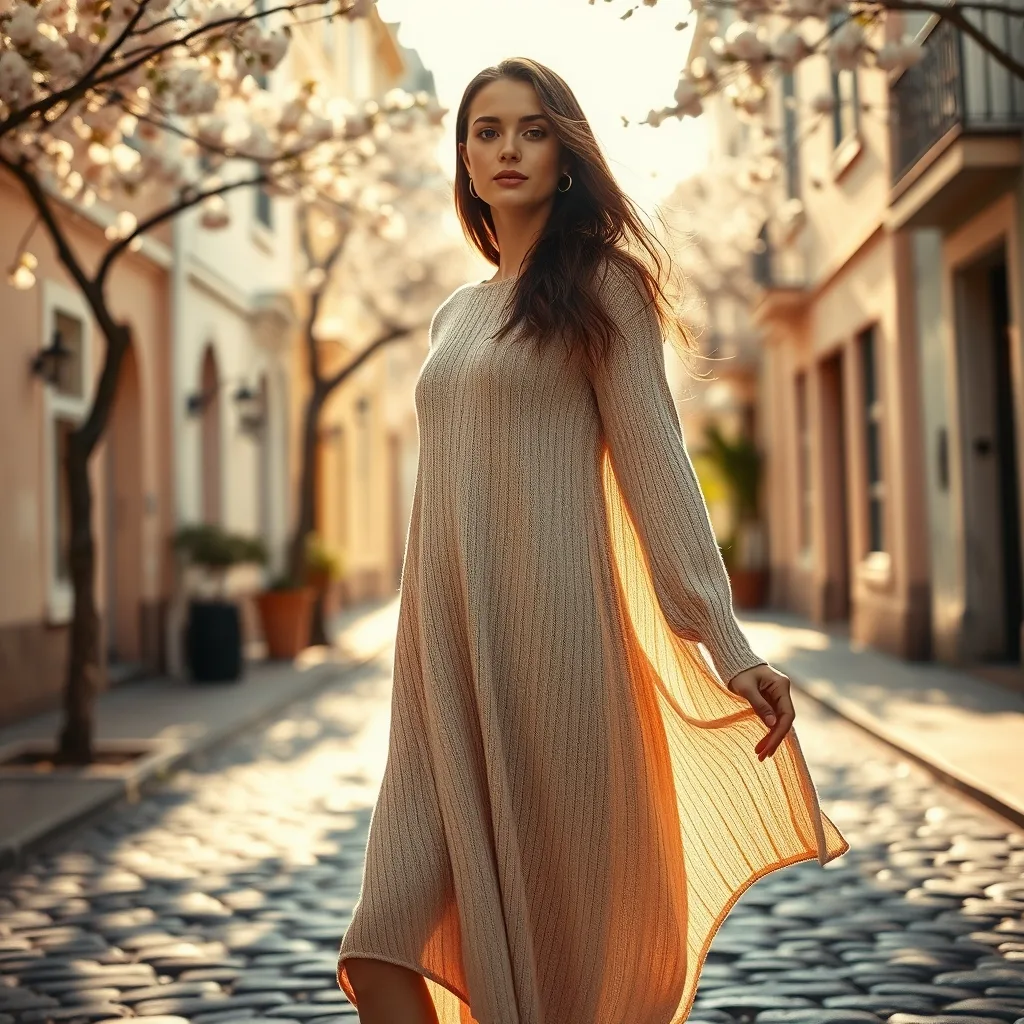
This cut highlights the natural movement of the body while offering style freedom that adapts to all body shapes, from slender to more generous silhouettes. Its greatest asset lies in its ability to transform a simple piece of yarn into a versatile outfit, suitable for both city life and vacations, proving that knitting is not reserved solely for winter wear or casual looks.
Knitting a Successful Flared Dress: Choosing Patterns and Materials
To knit a flared dress that combines aesthetics and comfort, choosing the right materials and pattern is crucial. Natural fibers like merino wool or cotton jersey offer the ideal elasticity to follow the body's curves while guaranteeing durability. Synthetic blends, such as those containing polyamide, are more resistant to frequent washing, which is a major advantage for dresses worn daily.
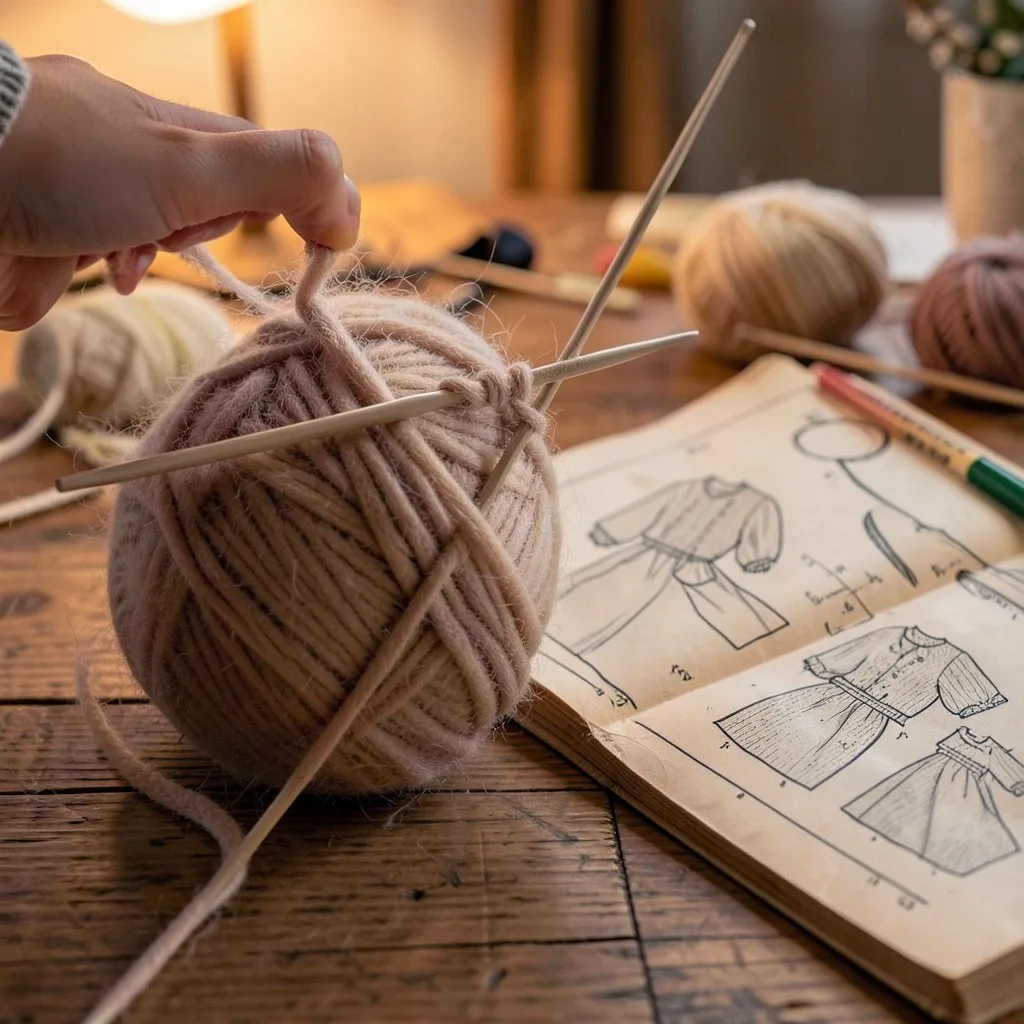
The yarn weight, generally between 80 and 120 meters per 50 grams, directly influences the fluidity of the patterns and the ease of knitting. A yarn that is too thick will make the dress heavy, while a yarn that is too fine will require increased precision to avoid holes. Solid colors or soft gradients highlight the flared cut, while graphic patterns, such as horizontal stripes, energize the silhouette without overwhelming the shape.
Adapting the Cut to Your Body Shape
The flared cut excels particularly for pear-shaped or triangle body types, as it balances the hips by widening the bottom while slightly slimming the bust. For rectangular silhouettes, a flared dress with a defined waist or asymmetrical details can create the illusion of curves.
Puff sleeves or straight long sleeves extend the lengthening effect, while side cutouts or adjustable hems allow you to adapt the length to your height. Particular attention should be paid to the neckline: a deep V-neck or a square neck will highlight the bust differently, while a crew neck or a Peter Pan collar can modulate the overall look. Intermediate fittings, especially at the shoulders and hips, are essential to avoid unsightly tension.
The Elegance of Patterns: Like Breton Stripes
The Breton stripe pattern, with its vertical or horizontal stripes in two contrasting shades, remains a timeless classic for a flared dress, combining simplicity and sophistication. This style, popularized by French sailors, comes in modern versions with soft color palettes (pale blue and pearl gray) or bold ones (burgundy and black).
For knitting, a fine jersey stitch in cotton or a wool blend is recommended, as it perfectly follows the curves while maintaining a stable structure. Horizontal stripes, wider at the hem of the dress, accentuate the flared effect, while tighter patterns at the top create an elegant visual contrast. This type of design also helps hide tension imperfections, making it ideal for beginner or intermediate knitters.
Construction Techniques and Patterns
There are several approaches to constructing a flared piece depending on your skill level. The way you build the garment's structure can vary significantly based on the technical complexity you wish to tackle. Depending on your experience, different construction methods can be used to achieve the desired volume and movement. Each approach offers solutions for creating a fluid silhouette, adapting to each knitter's technical mastery during construction.
The Top-Down Method for More Flexibility
Top-down knitting makes it easier to adjust the length during the process. This construction method allows you to control the dimensions of the piece precisely as you create it. By working from the neckline downwards, managing the flared section becomes easier because the length remains adjustable. This ensures that the final look of the dress perfectly matches your expectations throughout the project.
Knitting a Dress for Children
Children's patterns offer sizes ranging from 2 to 10 years for beginners. These different dimensions allow you to practice garment construction with appropriate scales of work. Building a flared shape using these measurements is great practice for those just starting out in knitting, allowing you to create clothing while working within the specific age ranges provided by these dress models.
Adjustments and Care for Your Creation
To enhance a knitted flared dress, the finishing touches play a key role in its drape and durability. A well-executed hem, whether done by hand or machine with an invisible stitch, prevents unsightly wrinkles and preserves the fluidity of the stitches.
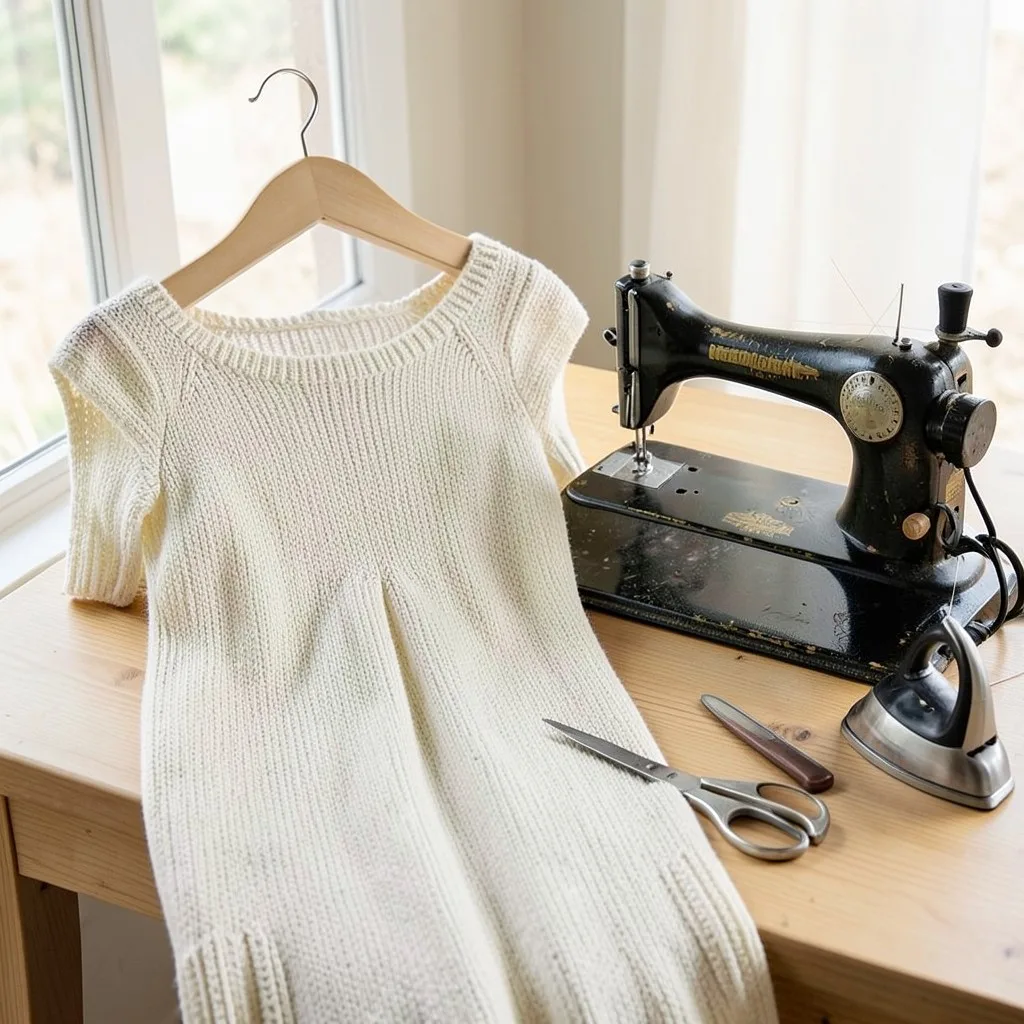
For thick wool or cotton models, steaming or ironing at a low temperature (without excessive moisture) helps set the shape while limiting deformation. Buttons or zippers, chosen from lightweight materials like metal or plastic, complete the look without weighing down the silhouette. Finally, a delicate wash in cold water, followed by drying flat, extends the life of the garment by preventing the stitches from stretching.
How can I shorten a knitted dress?
Shortening a knitted dress without unraveling it relies on targeted reduction of the rows. For jersey or garter stitch models, you can gradually remove stitches on the sides by replacing them with tighter stitches or invisible decreases, all while maintaining the fabric's elasticity. Another method involves adding a fabric band (such as a cotton ribbon) inside the hem, which allows you to gain a few centimeters without altering the stitch structure.
For fine wool or silk dresses, a gentler approach consists of folding and sewing excess stitches into a reinforced hem, while being careful not to create tension. These adjustments require precision but prevent waste while preserving the artisanal look of the piece.
Inspiration for Your Future Projects
Platforms like Ravelry, YouTube, or Pinterest are full of resources to explore original knitting stitches or flared dress patterns suitable for all levels. Creators share detailed video tutorials, free or paid charts, and active communities where you can exchange advice to personalize your projects.
For example, puff sleeves or asymmetrical cutouts are gaining popularity, while lightweight yarns like merino cotton or cashmere wool are often highlighted for their fluidity and elegant drape. This inspiration allows you to vary your styles—from boho-chic to structured dresses—while adapting to the seasons and occasions, whether it's an everyday outfit or a piece for a special event.
FAQ
How can I shorten a knitted dress? You can shorten it by using sewing techniques or by frogging a few rows using appropriate needles.
Which yarn should I choose for a summer dress? Prioritize lightweight natural fibers like cotton or linen blends to ensure breathability.
Can you knit a flared dress without a pattern? Yes, by using progressive increases from either the top or the bottom to create the flare.
What needle size should I use? This depends mainly on the gauge recommended by your pattern and the yarn you have chosen.
How do I care for a knitted dress? Hand washing with a gentle detergent is recommended to preserve the shape and the fiber.
Sources
- Wikipedia: Breton stripe – en.wikipedia.org
- Pinterest: Flared dress tutorial – pinterest.com
- YouTube: Knitted Child's Dress
See Also
- gauge
- Knitting an Adult Throw: Patterns, Dimensions, and Techniques
- My First Knitted Socks!
- Hand-knitted gifts