In short
- A snood is an ideal project for beginners, taking between 3 to 6 hours depending on the pattern.
- The main choice is between flat knitting (simpler) and knitting in the round (seamless).
- For a comfortable result, merino wool or Phil Inuit with 6mm or 8mm needles is recommended.
- An ideal width for a cozy, wrap-around effect is approximately 50 cm.
The snood, a versatile and timeless accessory, is the perfect project for those looking to discover or perfect their knitting techniques. With an estimated completion time of 3 to 6 hours depending on the complexity of your chosen pattern, it offers immediate satisfaction while remaining highly accessible. Its circular design—often confused with a tubular scarf—covers the neck without bulk around the shoulders, making it a must-have for both winter and seasonal transitions.
To achieve a result that is both comfortable and elegant, knitters typically prefer soft yarns like merino or local fibers such as Phil Inuit, combined with 6 to 8 mm needles for a supple finish.
A width of about 50 cm is often recommended to ensure a cozy, enveloping effect without being too bulky, while allowing enough margin to adjust the neck warmer to different body types. This project, both simple and customizable, perfectly embodies the spirit of handmade crafting: useful, quick, and adaptable to any style.
Beyond its practical aspects, knitting a snood allows for a gentle introduction to the knitting basics without running into overly complex techniques. Unlike a sweater or a cardigan, it doesn't require tricky setups, decreases, or tedious assembly, making it a comforting project for beginners.
The simplest patterns rely on basic stitches like the knit stitch or stockinette, while more elaborate versions incorporate repetitive motifs such as moss stitch or eyelets to add a decorative touch. This accessibility explains why the snood is often among the first projects recommended in knitting workshops, serving as a stepping stone toward more ambitious creations. Its compact format and immediate results also motivate knitters to explore other creations while providing a finished piece that can be used daily.
Why Choose to Knit a Snood to Start?
Knitting a snood is an excellent entry point into the world of handmade crafts because it combines technical simplicity with an immediate aesthetic result. Unlike more complex projects like a sweater or a throw, this tubular model is knitted quickly and suits all levels, from beginners to experienced knitters looking for a creative challenge.
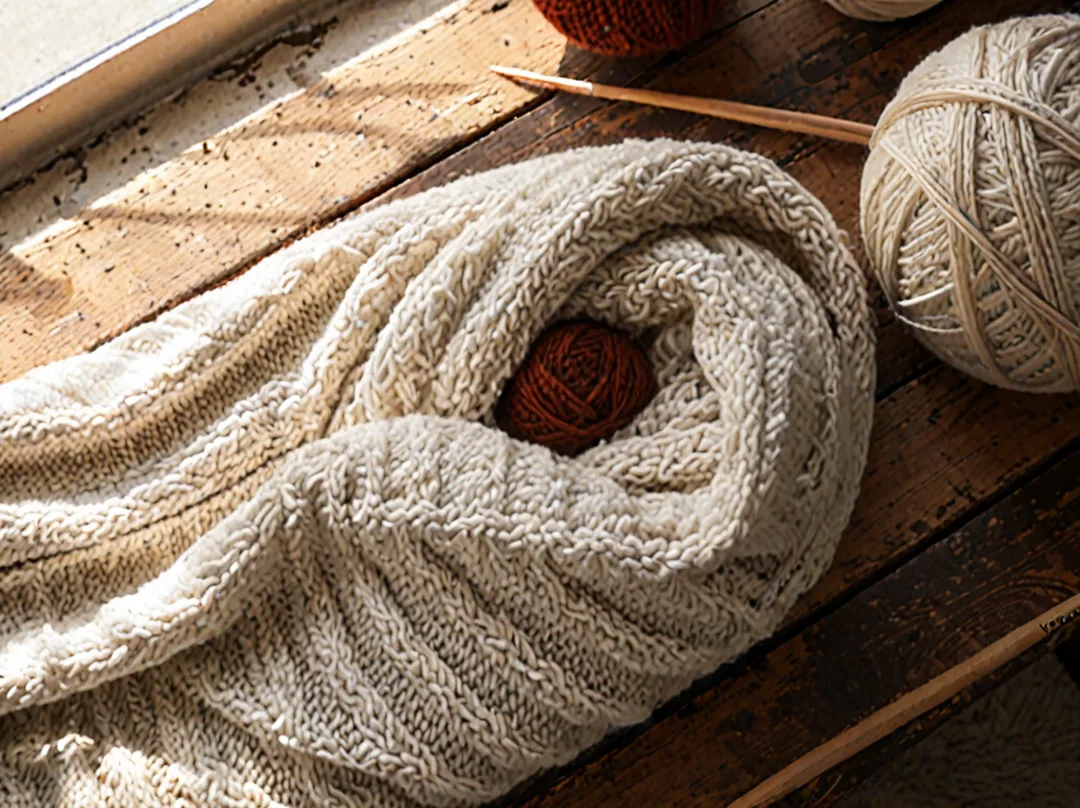
Its circular format, often confused with an infinity scarf, makes it a versatile accessory: it can be worn wrapped around the neck for warmth, or even looped multiple times for extra coziness.
Snoods are particularly popular for their comfort and ease of wear, as they don't slip and leave your hands free, unlike traditional scarves. This popularity is also due to their versatility: they pair well with both casual outfits and more dressed-up looks, remaining a timeless classic in any winter wardrobe.
It is an easy snood knitting project that provides quick gratification without requiring advanced skills. The most basic models are limited to basic stitches like the knit stitch or stockinette, while slightly more advanced versions incorporate repetitive patterns like eyelets or lace stitches, which are accessible after just a few hours of practice. This technical accessibility makes it a perfect project for building confidence, as it allows you to see the concrete results of your efforts in record time.
Furthermore, a snood offers total freedom in material choice: merino wool for a soft touch, chunky wool for warmth, or even plant-based fibers like cotton for a lighter feel. This diversity allows you to adapt the project to your tastes and needs while exploring different textures and weights without the risk of costly mistakes.
Knitting a Women's Snood
Knitting a women's snood relies on simple principles, but a few adjustments can help you achieve a model that is both elegant and functional, tailored to feminine silhouettes.
Unlike unisex snoods, which are often wider and more generous, versions designed for women generally favor a moderate width (approximately 45 to 50 cm) for an enveloping yet non-bulky effect, while still allowing room to adjust the fit. The yarns chosen for these models often focus on soft and lightweight fibers, such as merino or blends with cashmere, to ensure a result that is soft against the skin and durable.
The most popular patterns for women's snoods include subtle lace stitches, such as seed stitch or micro-eyelets, which add a delicate touch without weighing down the accessory. Some models also incorporate decorative details, such as knitted borders or repeated geometric patterns, to personalize the piece without complicating the process.
Finally, the length is often adjusted to cover the neck up to the shoulders, with the edge slightly rowed or hemmed for a polished finish, preventing it from looking too short or too long depending on the wearer's size.
Essential Materials to Succeed with Your Neck Warmer
To knit a snood for an adult, you will generally need 1 or 2 skeins of yarn, depending on the desired thickness and the circumference of the neck. A chunky yarn, such as a soft neck merino or Phil Inuit No. 8, offers a warm result while limiting the number of skeins needed.
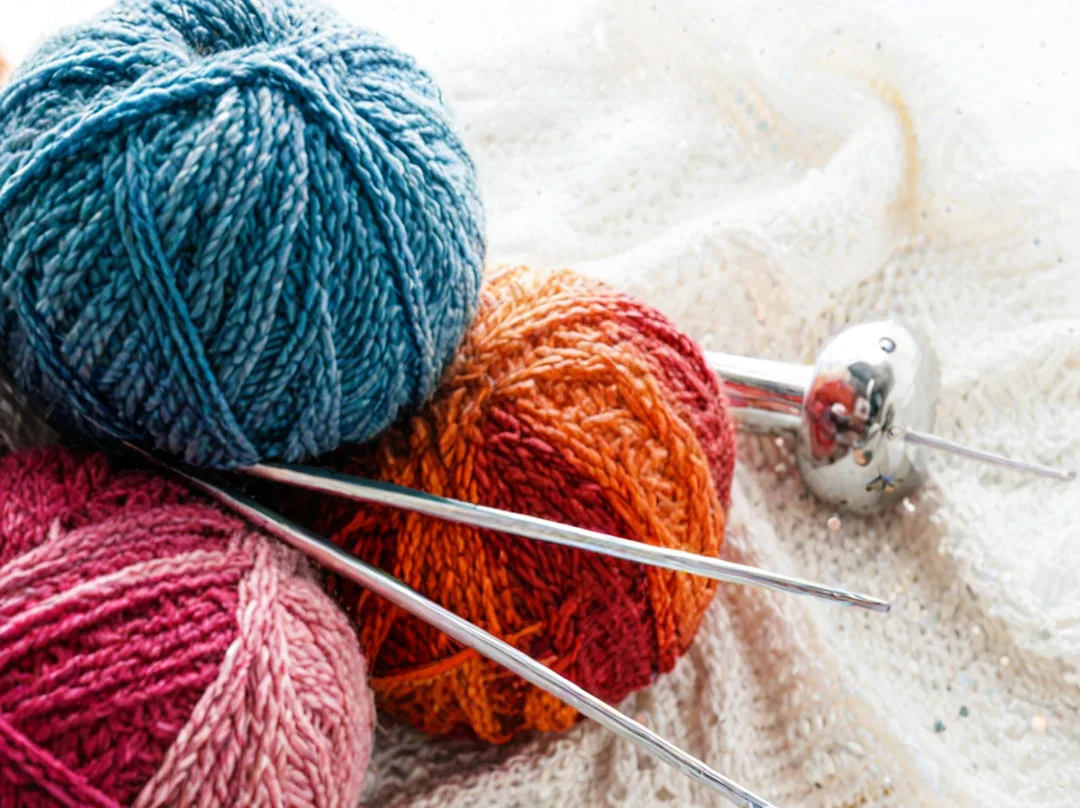
This choice also reduces the time spent on the stitch cast-on and adjusting tension, making it ideal for a first project. Natural fibers like cashmere or alpaca provide a luxurious feel but require more skeins to cover the same surface area, while an acrylic blend remains economical and easy to work with for beginners.
| Type of snood | Recommended width | Circumference |
|---|---|---|
| Close-fitting | 20-25 cm | 50-60 cm |
| Wrap-around | 30-40 cm | 70-90 cm |
| Double loop | 30-35 cm | 120-140 cm |
The project becomes very quick to complete with 6mm needles, which allow you to work with wide, airy stitches without sacrificing the accessory's strength. These needles, often made of aluminum or wood, reduce friction and speed up the knitting rhythm, especially for simple stitches like stockinette or garter stitch.
For a comfortable snood, avoid excessively thin diameters, which can make the work heavy and risk uneven tension. Models knitted with these needles are also better suited for transitional seasons, where relative lightness is appreciated.
Should I Knit My Snood Flat or in the Round?
The choice of technique depends on your skill level and the desired visual result, particularly regarding whether or not you want a seam. One question often comes up: should I knit my snood flat or in the round? This decision will directly influence your workflow and the final look of your neck warmer.
The Flat Knitting Approach
Knitting flat allows you to more easily incorporate complex patterns or special stitches. This method is often less intimidating for beginners looking to get started. The simplicity of this approach offers great flexibility for your creation; in fact, you can easily adjust both the length and the width of your snood as you work.
However, this method requires a final sewing step to join the ends, which can be a challenge for some and may affect the appearance of the piece. You must also be careful, as the edges of your work can curl, especially if you are using a stitch that is primarily stockinette.
The Advantage of Knitting in the Round
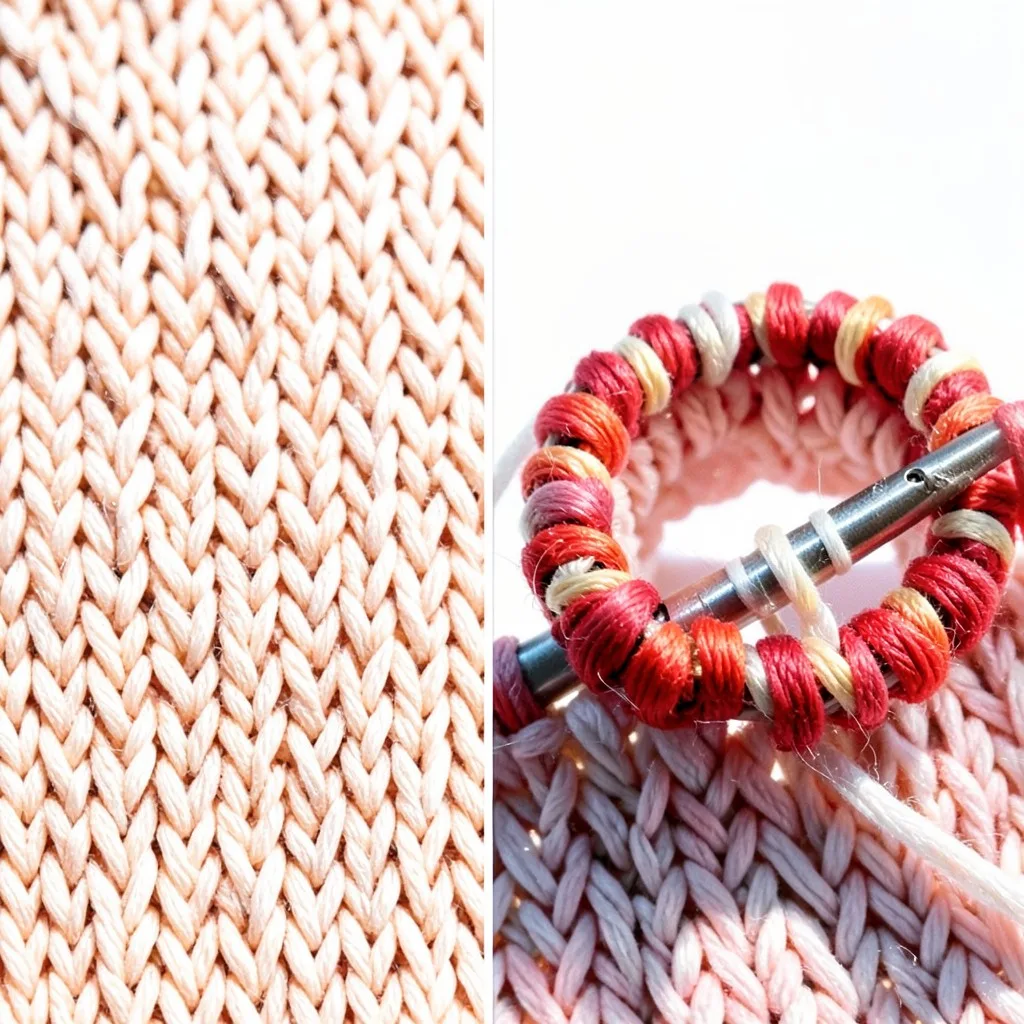
Knitting in the round creates a seamless snood, providing a more professional and aesthetic result. This method is ideal for creating repetitive patterns or for stockinette stitch, as you are always knitting on the right side of the work. Be careful, however, as knitting your snood entirely in stockinette can cause the edges to roll. For longer projects, this technique offers extra comfort because the weight of the knitting is distributed more evenly.
Comfort is increased when you choose to knit a snood using circular needles. Using this equipment allows for a better distribution of the weight of the knitting, making your crafting session much more comfortable. This balanced distribution is a major advantage for larger projects.
Step-by-Step Guide to Knitting Your First Snood
Starting out involves casting on the correct number of stitches for your desired width to ensure it fits comfortably over the head. An ideal width for a wrap-around snood is approximately 50 cm or more. Here is a step-by-step guide to knitting your first snood: start by casting on 40 stitches using 8mm needles. This initial setup is crucial for defining the structure of the accessory and guaranteeing optimal comfort for daily use.
The body of the snood is created by repeating your chosen stitch until you reach the necessary length for the wrap. This phase of knitting requires consistency to maintain a uniform texture throughout the piece. Expect to spend between 3 and 6 hours on a simple snood. This timeframe allows you to fully enjoy the creative activity while watching your neck warmer take shape in a very satisfying way.
The finishing requires you to bind off the stitches loosely to prevent the edge from becoming too tight. This ensures optimal comfort against the face and an elastic border. If you use the circular technique, you will know how to knit a seamless snood. This method ensures an aesthetic look and a perfectly smooth finish around the entire circumference of your creation.
- Cast on stitches according to your desired width (about 50 cm for a wrap-around effect).
- Knit all rows in garter stitch or your chosen stitch.
- Regularly check the length to ensure comfort.
- Bind off the stitches loosely.
- Sew the ends together (if knitted flat) using a tapestry needle.
Model Variations for the Whole Family
The art of knitting a women's snood allows you to play with textures like lace or eyelet patterns to combine elegance and comfort. Women's models often include aesthetic details, such as scalloped edges or repetitive motifs, while maintaining an adjustable length for multiple wraps around the neck. Knitters generally prefer fine to medium-weight yarns, such as merino wool or elastic cotton, for a result that is both soft and durable.
These choices of material and stitch ensure a balance between lightness and protection against the cold, while highlighting the personal style of the accessory.
When you want to knit a kids' snood, you must adapt the number of stitches and the length to ensure safety and comfort. Models for children avoid overly tight patterns that could irritate delicate skin, opting instead for soft stitches like stockinette or garter stitch.
The ideal length is generally between 60 and 80 cm for an adjustable neck warmer, with enough elasticity to adapt to growth. Hypoallergenic yarns, such as those certified Oeko-Tex®, are recommended to minimize the risk of allergies while ensuring optimal softness against the skin.
It is also entirely possible to knit a hooded snood to transform this accessory into complete protection against cold and wind. Adding a hood involves slightly modifying the base pattern by integrating progressive increases to form a circle around the head, then closing the top with a discreet seam or an invisible bind-off.
Knitters often opt for thicker yarns, such as chunky wool or cashmere, to reinforce insulation while maintaining enough flexibility to not hinder movement. This type of hooded snood is particularly popular in winter for walks or outdoor activities.
Stitches and Finishes to Personalize Your Work
Many people wonder how to knit a snood in seed stitch to achieve that grainy, textured effect. This stitch, formed by alternating knit and purl stitches, creates a raised texture that prevents the fabric from curling. Ideal for snoods, it also offers better resistance to wear while maintaining natural elasticity.
For beginners, it is advisable to start with a slightly thick yarn (such as DK or Worsted) to make manipulating the stitches easier and avoid unwanted holes. A medium-sized knitting needle (4 to 5 mm) allows you to work this stitch without difficulty while maintaining good tension.
Some more elaborate models offer repetitive patterns that make the accessory reversible and elegant. The Stockholm pattern, for example, repeats every 4 rows and creates a symmetrical design on both sides, perfect for a timeless snood. Other techniques, such as eyelets or subtle lace, add a decorative touch while maintaining functionality.
A snood knitted with a 100% reversible pattern can thus be worn from either side, multiplying the style possibilities. These patterns require a bit more precision, but the final result justifies the effort: an accessory that is both practical and sophisticated, suitable for both winter days and casual outfits.
FAQ
Where can I find a free pattern for a women's snood? Websites like Phildar or various enthusiast blogs regularly offer free downloadable PDF patterns.
What is the length of a knitted snood for men? For men, a circumference between 70 and 90 cm is often preferred for a single loop, or more than 120 cm for a double loop.
What yarn should I use for my first snood? A soft merino wool or the Phil Inuit range is recommended for comfort around the neck.
Can I knit a snood with a circular knitting loom? Yes, a circular knitting loom allows you to create very fine knitted tubes, ideal for lightweight snoods or kids' accessories.
How long does it take to finish a simple snood? A basic model generally takes between 3 and 6 hours of work.
How can I prevent my snood from curling? Use stable stitches like garter stitch or seed stitch rather than just stockinette.
Sources
See Also
- knitting gauge
- Knitting an adult throw: patterns, dimensions, and techniques
- My first knitted socks!
- knitting an A-line dress