
In short
- A textured stitch creating raised, honeycomb-like cells
- Ideal for winter accessories due to its air-trapping properties
- Typically worked on a multiple of 2 stitches
- Suitable for both flat knitting and knitting in the round
The honeycomb knitting stitch is an iconic textured pattern, recognizable by its raised cells that mimic the hexagonal structure of a beehive. Unlike smooth stitches like stockinette, this pattern creates a voluminous thickness by trapping air between the stitches, making it a top choice for winter accessories such as scarves, beanies, or gloves.

Its uniqueness lies in its ability to combine aesthetics with thermal functionality, all while working with a simple multiple of 2 stitches—a constraint that is easy for beginners to follow. Whether you are knitting flat or in the round, this stitch offers creative freedom while ensuring a warm and durable result. For a clear honeycomb stitch explanation, it is helpful to understand that this pattern relies on an alternation of knit and double stitches, generating the characteristic cells that define its visual identity.
Often associated with winter creations, this stitch stands out due to its thick texture and unique visual appeal. The characteristics of the honeycomb stitch include an airy structure that provides excellent insulation against the cold while adding a decorative touch to your projects. While its name naturally evokes beehives, its application goes far beyond nature-inspired motifs: it also fits beautifully into modern or minimalist designs, provided you follow the basic stitch sequence.
Unlike stitches such as ribbing or moss stitch, the honeycomb stitch doesn't require advanced skills, but it does require precision in stitch counting to avoid distortions. Its success lies in that perfect balance between accessibility and a spectacular visual effect.
What is the honeycomb stitch?
Knitting, an ancient technique for creating fabric, is based on the interlacing of yarn loops called stitches, which are held on needles until they are secured by a new loop. Much like weaving, it allows for the creation of flexible, adaptable textiles where every active stitch plays a role in the cohesion of the whole. The honeycomb stitch fits into this logic by combining knit stitches and double stitches to form raised cells, creating an immediate visual signature.
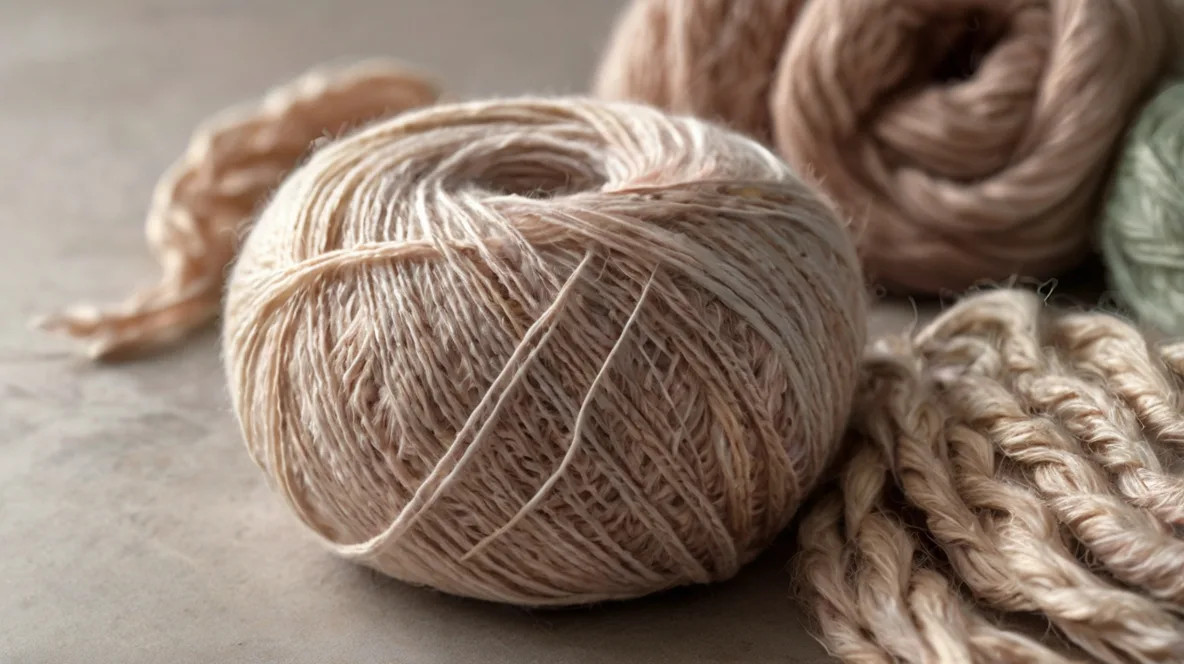
For a simple honeycomb stitch explanation, remember that this technique exploits the elasticity of the yarn: by alternating smooth rows and recessed patterns, it generates a texture that is both warm and decorative. Historically, knitting has evolved to meet practical needs, but stitches like this also show how craftsmanship can elevate everyday life through motifs inspired by nature.
Visually, the honeycomb stitch is characterized by its hexagonal cells, creating a sense of depth that catches the eye. The characteristics of the honeycomb stitch include an airy structure that traps air between the stitches, offering superior thermal insulation compared to classic stitches like stockinette. This property makes it a favorite for winter accessories where comfort is the priority.
The pattern relies on a simple principle: by knitting alternating rows of knit stitches and spaced-out double stitches, you achieve these raised cavities that resemble honeycomb cells. Unlike stitches such as seed stitch or chevron, the honeycomb stitch doesn't require frequent needle changes, making it ideal for beginners who want to explore complex textures without frustration.
How to do the honeycomb stitch?
The honeycomb stitch is worked by starting with a cast-on suited to your chosen variation. For the classic version, cast on a number of stitches that is a multiple of 2, which ensures the symmetry of the pattern. Another approach uses a multiple of 2 + 1 stitch, which is ideal for projects requiring a slightly offset edge.
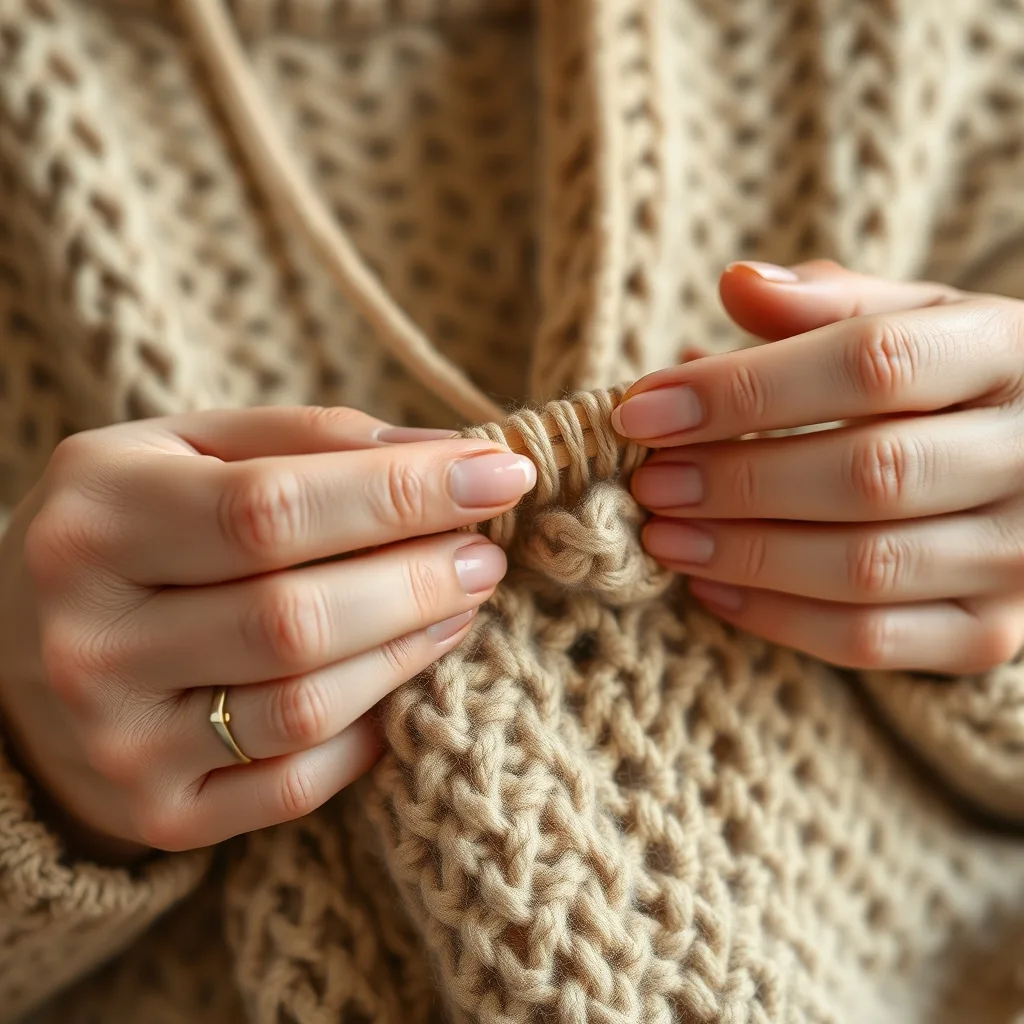
For more complex creations, such as two-color designs, a multiple of 8 + 6 stitches is recommended, including edge stitches to stabilize the work. These basic rules ensure that the honeycomb stitch develops harmoniously, with well-defined cells.
Honeycomb stitch: How to knit it?
This honeycomb stitch tutorial is based on a four-row cycle to achieve the pattern when knitting flat. The first row is worked entirely in knit stitches, creating a smooth base. On the second row, alternate one knit stitch and one double stitch, repeating this sequence until the end. The third row returns to all knit stitches, while the fourth row reverses the order: one double stitch followed by one knit stitch.
Once these four rows are completed, repeat the first row to continue the pattern. This alternation generates the characteristic cells of the honeycomb stitch, with marked relief and an airy texture.
- Row 1: Knit all stitches
- Row 2: Alternate 1 knit stitch and 1 double stitch
- Row 3: Knit all stitches
- Row 4: Alternate 1 double stitch and 1 knit stitch
- Row 5: Repeat Row 1
To succeed with two-needle honeycomb knitting, the picking up stitches technique is crucial. Insert the right needle into the stitch located below the first stitch on the left needle (the stitch from the previous row), then knit it as a knit stitch.
Pull the needle and the yarn through the stitch before sliding the stitch off the left needle just as you would for a standard knit stitch. This method creates the typical relief of the honeycomb stitch, with well-formed cells and a stable structure. Precision when picking up the stitch from below prevents holes and ensures even tension.
How to use the honeycomb stitch in your creations?
Executing the honeycomb stitch in circular knitting requires a few adjustments to the stitch count to ensure a perfect continuity of the pattern. This honeycomb stitch creates a pronounced relief that adapts well to tubular shapes. To maintain the regularity of the honeycomb pattern, it is important to monitor your tension during every double stitch. This honeycomb stitch allows you to achieve a dense textile, ideal for seamless accessories.
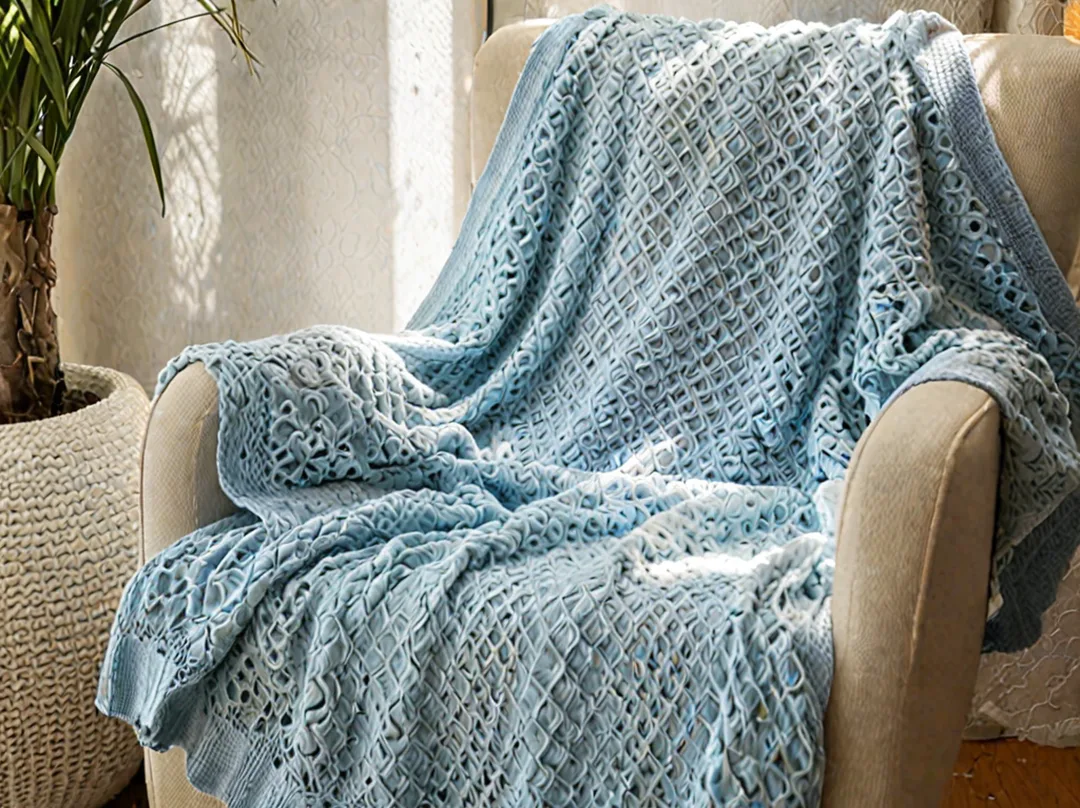
To create a two-color honeycomb stitch, a multiple of 8 plus 6 stitches is necessary to properly center the design. This variation of the honeycomb pattern plays with color contrasts to accentuate the relief effect. The honeycomb stitch then becomes a visually richer cell stitch. Alternating yarns while creating each double stitch adds an extra dimension to the work.
The thickness of the pattern is ideal for making a honeycomb stitch baby blanket thanks to its warmth and structure. This honeycomb stitch offers a soft, plush feel that is highly appreciated for baby items. By working with the honeycomb stitch, you obtain a stable fabric where each double stitch reinforces the structure. Using a double knit stitch and a honeycomb pattern helps stabilize the edges of the project.
Pros and cons of the honeycomb stitch
The honeycomb stitch is attractive due to its highly detailed visual appearance and rich texture. This cell stitch offers excellent thermal insulation, which is ideal for winter clothing. Its relief adds a unique aesthetic dimension to your work. However, its main drawback is the significant amount of yarn it consumes. The structure of this honeycomb pattern requires more yarn than classic stitches, thereby increasing the weight and cost of your projects.
The success of your project depends heavily on the material you choose. When wondering which yarn to use, prioritize thick or multi-ply yarns to accentuate the cells. A yarn with good stitch definition will allow the double stitch to stand out and maintain the relief. For optimal results, avoid extremely fine yarns, which risk flattening the structure of the honeycomb stitch and losing the desired visual effect.
FAQ
How do I do the honeycomb stitch? It is done by alternating rows of all knit stitches with rows that alternate knit and double stitches.
How many stitches should I cast on for this pattern? The standard cast-on requires a multiple of 2 stitches, but some variations require a multiple of 4 or 8 depending on the specific pattern.
What yarn should I use for a successful honeycomb stitch? A thick yarn or a multi-ply yarn is recommended to properly highlight the relief of the cells.
Can I knit this stitch in the round? Yes, the honeycomb stitch works very well for circular knitting, such as for snoods or beanies.
Is it a warm stitch? Yes, its thick structure traps air, making it particularly thermal and ideal for winter.
Sources
- Wikipedia - Knitting – en.wikipedia.org
- Les Triconautes - Honeycomb stitch guide
- Ladylaine - Honeycomb stitch tutorial
See also
- knitting gauge
- My first knitted socks!
- knitting an A-line dress
- hand-knitted gifts