
In short
- Learning basic stitches like the stitch (single crochet) and double crochet
- The importance of the turning chain
- Distinguishing between creative crochet and lockpicking
- Using the right tools for your yarn type
Crochet is an accessible and versatile textile art, captivating many with its ability to transform a simple strand of yarn into everything from scarves to decorative accessories. To get started, mastering basic stitches like the single crochet or double crochet is essential, as they form the foundation of every project. Particular attention should be paid to the number of chain stitches at the start of each row, as this determines the height and consistency of your work; an error here can throw off the entire piece.
Furthermore, distinguishing between creative crochet (freeform, experimental) and technical crochet (precise, patterned) helps guide your choice of tools and yarn. For instance, a 3mm aluminum hook is perfect for thick cotton, while a bamboo hook is often preferred for finer fibers like merino wool.
Whether you want to make an amigurumi, a sweater, or a tablecloth, crochet techniques are learned progressively, beginning with fundamental movements. The slip knot is the indispensable first step, securing the yarn to the hook before any creation begins.
Next, the foundation chain—a series of chain stitches—serves as the base for most stitches, while turning chains (added at the end of a row to turn the work) vary depending on the type of stitch used. These details, often underestimated, prevent distortions and ensure a professional finish, even for beginners.
Crochet Technique for Beginners: First Steps
A beginner's crochet technique always starts with choosing a hook suited to your yarn weight, followed by creating a slip knot, a crucial step to prevent your work from unraveling. This knot, formed by looping the yarn around the hook and tightening it, becomes the starting point for any project, whether it's a simple square or a complex pattern.
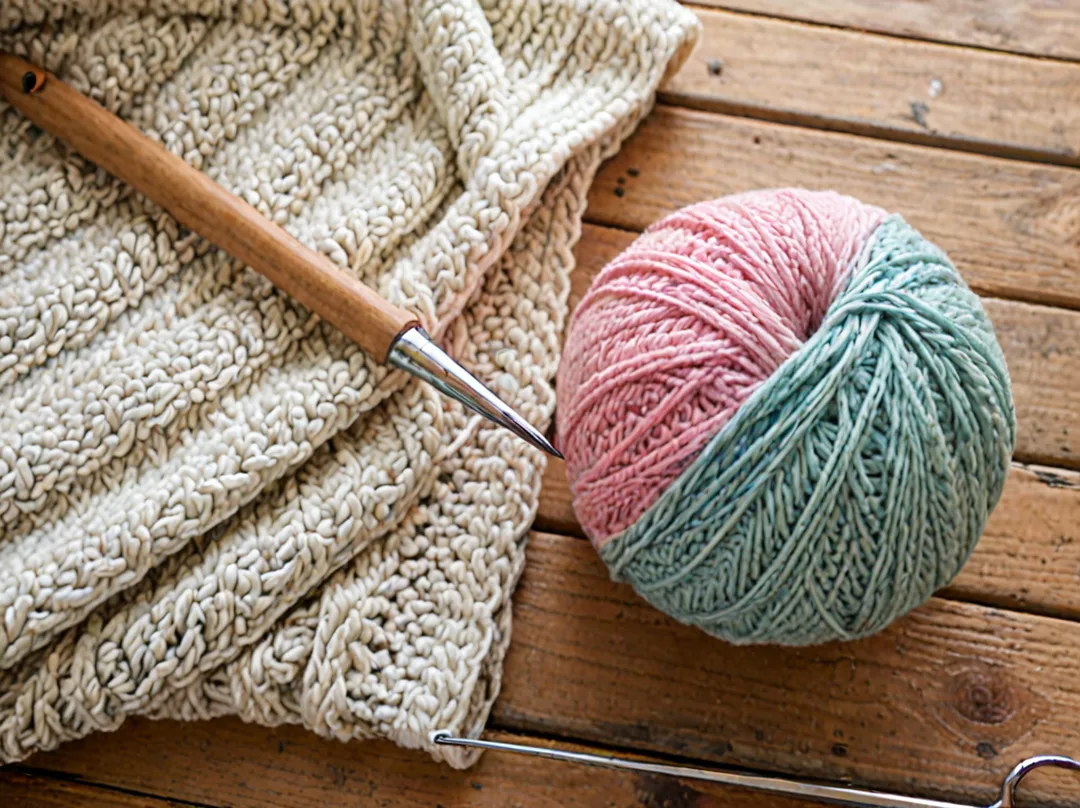
Once this knot is secure, the yarn is tensioned to form a foundation chain, consisting of chain stitches that will serve as the base for subsequent stitches. This initial series of stitches already determines the width and evenness of the project, which is why it is important to execute them precisely—neither too tight nor too loose.
- A crochet hook (size appropriate for the yarn)
- A ball of yarn or cotton
- A pair of scissors
- Stitch markers
To approach crochet techniques with confidence, here are the essential elements to master during your first attempts: yarn tension, hand positioning (holding the hook like a pen or in a "knife" grip), and recognizing loops on the hook. Once these basics are mastered, turning chains—those chain stitches added at the end of a row to allow you to turn the work—will become second nature.
The number of chains depends on the stitch being used: a single crochet requires only one, while a double crochet requires two or three to maintain row alignment. These rules, though simple, prevent common mistakes like holes or warping, allowing you to move confidently toward more ambitious projects.
Mastering Crochet Techniques and Essential Stitches
To progress, you must assimilate fundamental crochet techniques like the single crochet. To begin, a foundation chain of 11 stitches provides 10 spaces for single crochets and 1 turning chain. You must skip the first stitch and insert the hook into the second stitch from the hook. Then, work a single crochet into each of the remaining 9 stitches in the chain. Alternatively, a chain of 12 stitches provides 10 spaces for stitches and 2 turning chains.
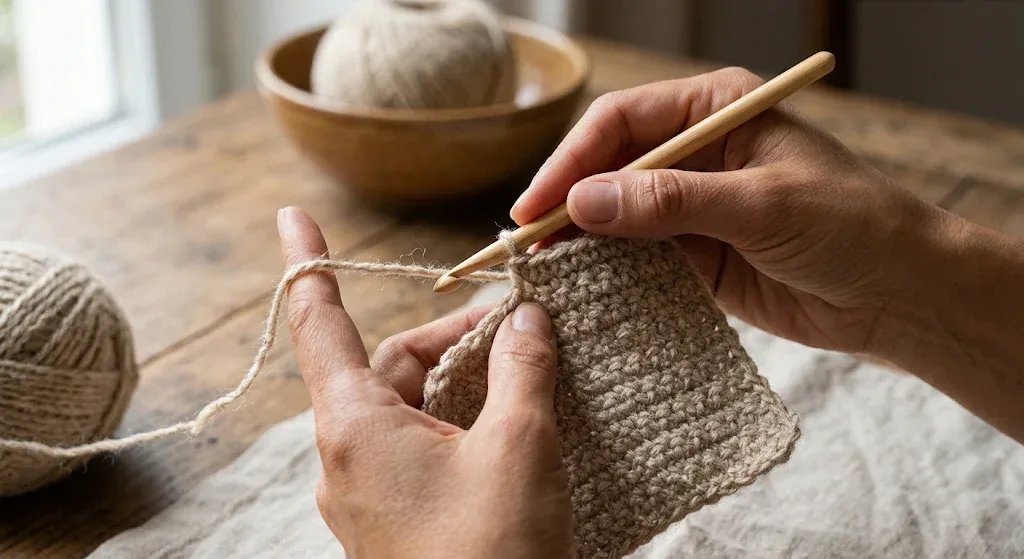
Stitch Height and Execution
Mastering stitch height involves managing the number of loops on your hook. During certain steps, you may have 3 loops on your hook. A chain of 12 or 13 stitches allows for 10 stitch spaces and 2 or 3 turning chains. Similarly, a chain of 13 or 14 stitches offers 10 stitch spaces as well as 3 or 4 turning chains. By using these methods, it is possible to end up with a total of 4 loops on your hook.
Tunisian Crochet and Its Specifics
Tunisian crochet uses specific methods. For the simple Tunisian stitch, insert the hook from right to left under the vertical bar of the next stitch, yarn over, and pull up a loop. The Tunisian knit stitch is executed by inserting the hook from front to back into the next stitch, then performing a yarn over and pulling up a loop.
For the reverse Tunisian stitch, bring the yarn to the front of the work, insert the hook from right to left under the vertical bar of the next stitch, bring the yarn to the back of the work, yarn over, and pull up a loop.
Differentiating Lockpicking from Creative Crochet
It sometimes happens that lockpicking techniques (used in locksmithing) are confused with the art of crochet. While the former refers to highly precise mechanical manipulations, the manual activity we are exploring here involves interlacing yarn to create objects. This semantic distinction prevents the mixing of the mechanical world with the world of textile creation and garment making.
Kinesiology Crochet Technique and Its Applications
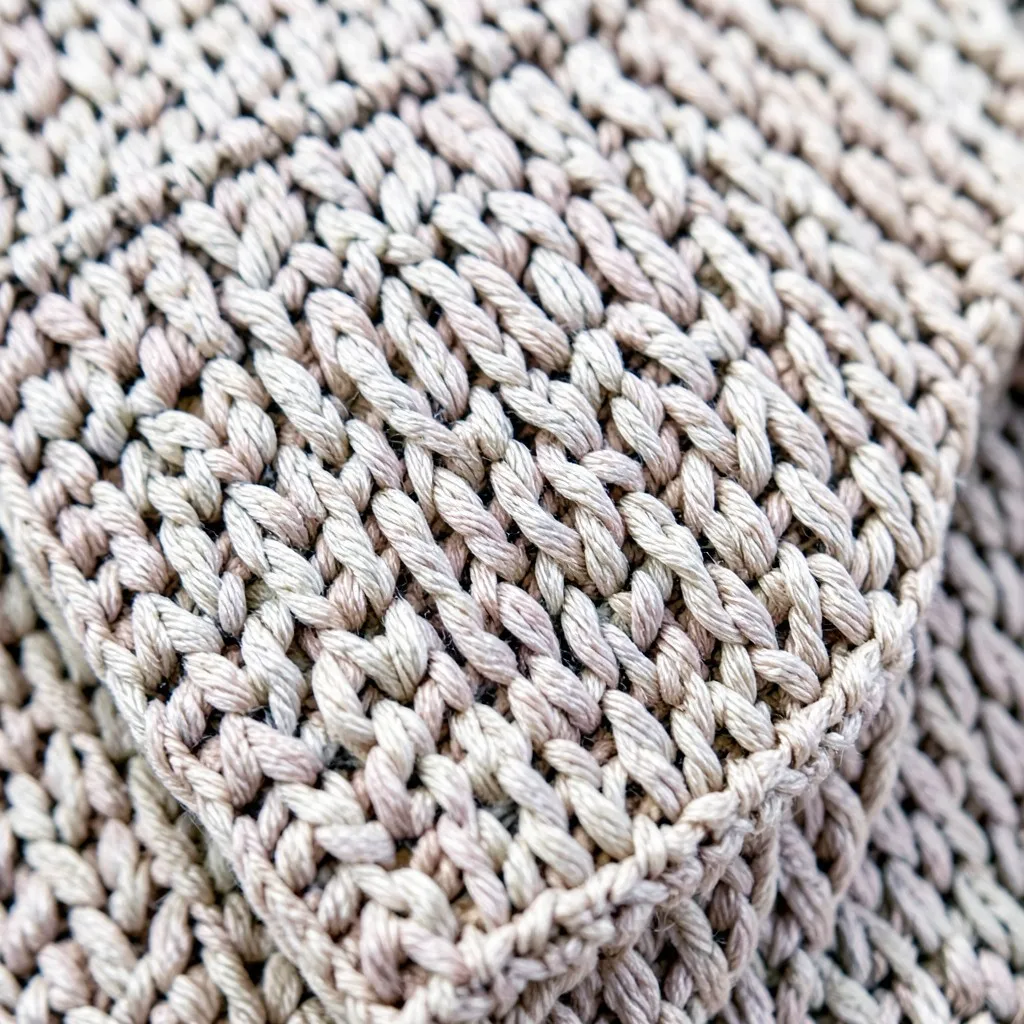
The kinesiology crochet technique is a deep tissue massage method, entirely distinct from working with yarn. It is used in a therapeutic setting to act on body tension. Unlike artistic crochet, this practice belongs to the field of health and physical care. This distinction is necessary to ensure you find the information that truly matches your search.
FAQ
Where can I find free tutorials to learn crochet stitches? Many platforms like YouTube or specialized blogs offer free tutorials with detailed diagrams.
What are the crochet trends for 2026? 2026 trends are moving toward voluminous accessories, organic colors, and the integration of recycled fibers.
What are the different types of crochet? There is classic crochet, Tunisian crochet (using a longer hook), and circular crochet for making amigurumi.
How do I crochet a flower? You need to use multi-colored yarn and a hook suited to the yarn weight to form petals using basic stitches.
How do I crochet stars? Crocheting stars generally relies on a central magic ring followed by increased double crochets to create the points.
Sources
See Also
- knit gauge
- My first knitted sock!
- knitting a flared dress
- handmade knitting gift ideas