
In short
- Cashmere comes from the down of goats raised in Mongolia in temperatures as low as -40°C, resulting in ultra-fine fibers (< 16 microns).
- It takes 4 to 5 goats to produce a single sweater, which explains its rarity and price.
- Brands like TEHETE, Lotus Yarns, and Lang Yarns offer certified 100% cashmere yarns that are traceable and perfect for hand-knitting.
- Cashmere provides up to 3 times more insulation than standard wool while remaining lightweight and breathable.
- Gentle hand washing in lukewarm water and drying flat will preserve its softness and prevent pilling.
Cashmere, that exceptional wool, originates from the icy steppes of Mongolia, where goats adapt to temperatures that can drop to -40 °C. These extreme conditions stimulate the production of an ultra-fine down (less than 16 microns), which is much more resilient and softer than standard wool. Every year, a single goat yields only 50 to 80 grams of this rare fiber, which is why it takes the down from 4 to 5 goats to craft a single sweater.
Such rarity makes it a highly sought-after material, insulating up to 3 times more than conventional wool while remaining lightweight and breathable. For knitters, brands such as TEHETE, Lotus Yarns, or Lang Yarns offer 100% cashmere skeins that are certified and traceable, ideal for creating projects of exceptional softness. But beware: its care requires particular attention, including hand washing in lukewarm water and drying flat to preserve its texture.
Where does cashmere wool come from? It comes from Mongolian goats raised at high altitudes in regions where intense cold shapes fibers of unique quality. These animals, subjected to harsh winters, develop an undercoat so fine that it rivals silk in terms of suppleness. The rarity of this material is also measured by its production: a single sweater requires the effort of several goats over an entire year.
As a result, cashmere embodies the perfect alliance between luxury and functionality, offering incomparable warmth without weighing down garments. For knitting enthusiasts, choosing certified cashmere yarns guarantees not only a delicate finish but also a more enjoyable creative experience, provided that proper care routines are followed.
Where Does Cashmere Wool Come From?
Cashmere is born in the Mongolian steppes, where goats adapt to extreme climatic conditions that can reach -40 °C. These freezing temperatures drive the animals to produce an exceptionally dense down, much finer than that of standard breeds. This natural process, linked to the rarity of the environment, gives the fiber its unique properties: unmatched lightness, strength, and softness.
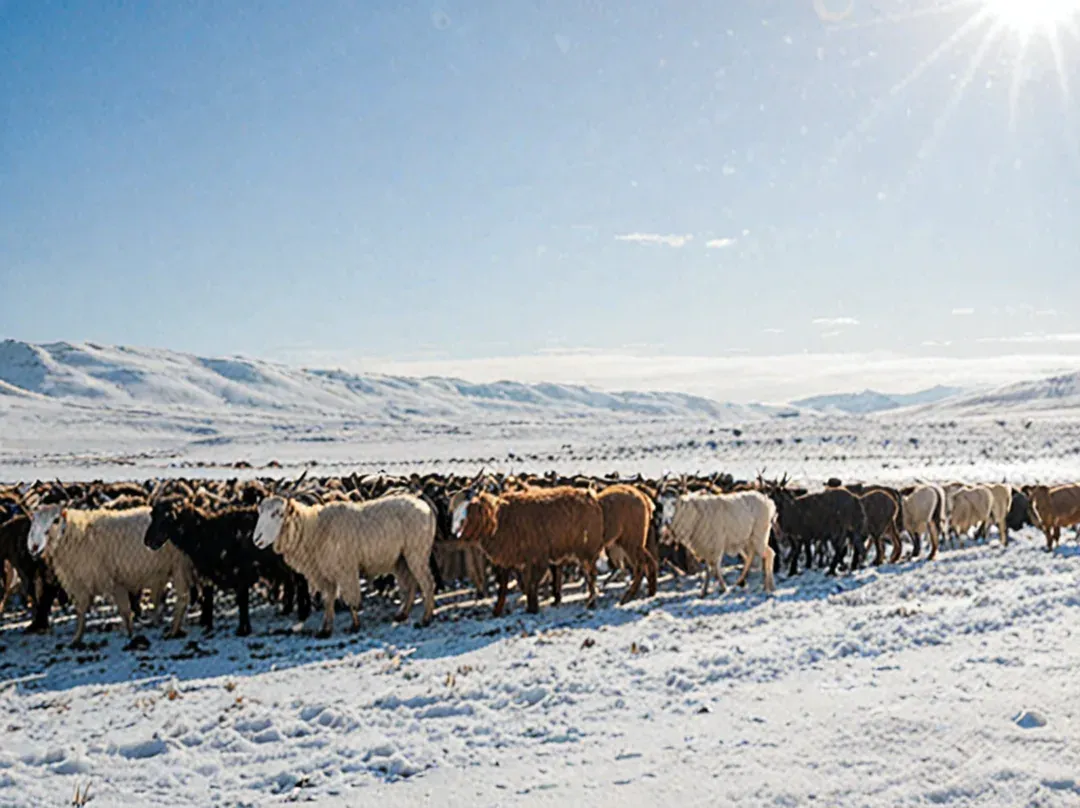
Unlike other luxury fibers such as mohair or merino wool, cashmere owes its tactile pleasure to this prolonged exposure to cold, which refines its fibers to diameters of less than 16 microns. This characteristic makes it a delicate and precious material, highly sought after by artisans and discerning knitters alike.
Where does cashmere wool come from? It is sourced from cashmere goats raised in Mongolia and certain regions of China, where altitude and harsh climates shape this exceptional spinning material. The resulting cashmere wool is harvested during the annual molting season, a period when the animals naturally shed their undercoat.
This down, shorter and more resilient than standard wool, is then sorted, combed, and spun to produce high-quality skeins. The scarcity of production—only 50 to 80 grams per goat per year—explains why a cashmere sweater requires the output of 4 to 5 goats. This fact highlights the commitment required to obtain cashmere wool of impeccable quality, both technically and aesthetically.
What Criteria Define the Best Quality Cashmere?
The quality of cashmere is measured first by the fineness of its fibers, expressed in microns, but also by their length, the rigor of certifications, and transparency regarding its origin. High-quality cashmere yarn combines these criteria to offer unparalleled softness and increased durability, far removed from coarse or untraceable fibers. The rarity of this raw material, due to its limited production and demanding processing, makes it a symbol of luxury among premium fibers.
Fiber Fineness: The 16-Micron Threshold
Certified first-class cashmere guarantees that every batch respects this 16-micron threshold, with a consistency that is impossible to achieve without strict control. Labeled cashmere wool skeins, such as those meeting Mongolian or European standards, provide a homogeneous material without variations in texture or strength. The mention “Exclusively crafted from premium quality certified cashmere wool” becomes a guarantee of trust for demanding knitters who care about durability and the feel of the fabric.
Fiber Length and Traceability
Traceability, often linked to Mongolian origin, is a non-negotiable criterion for distinguishing the best cashmere in the world from imitations. Cashmere goats raised in the steppes, where extreme weather (-40 °C) stimulates the production of ultra-fine down, have their wool sorted and certified before processing. This transparency, combined with labels such as “Mongolian Cashmere” or “Certified Fiber,” ensures that the cashmere wool truly comes from the most reputable farms, without being blended with synthetic or lower-quality fibers.
Choosing the Best Cashmere Wool: Brands and References
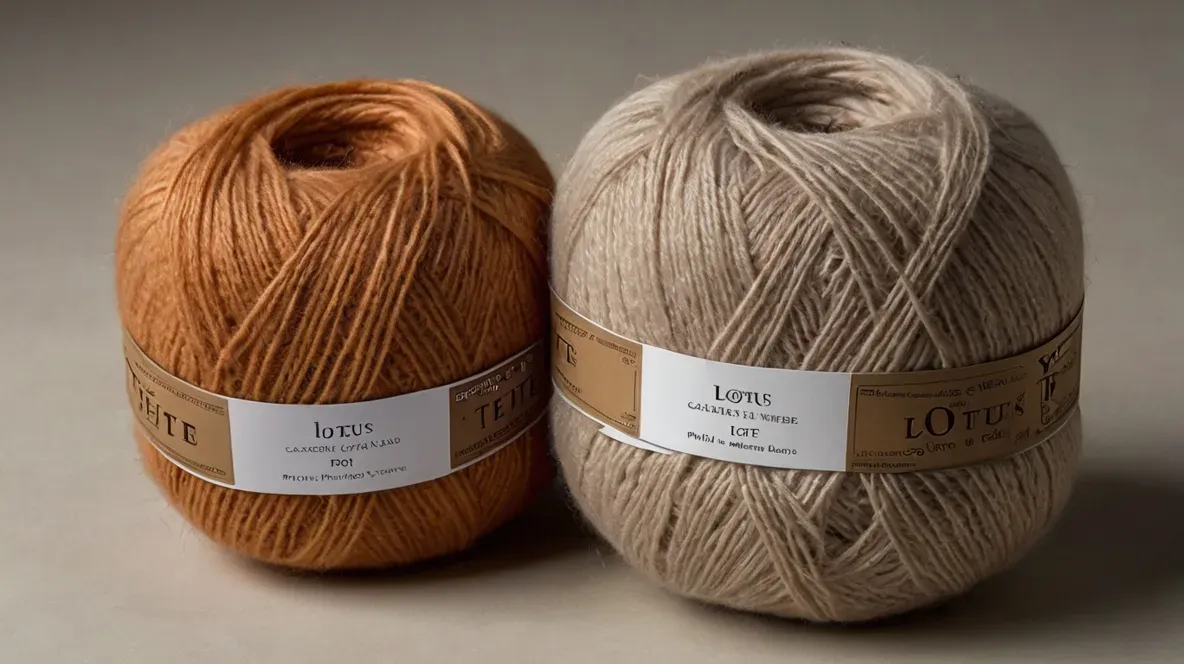
Choosing the best cashmere wool involves turning to expert brands like TEHETE, Lotus Yarns, or Lang Yarns, which specialize in 100% Mongolian cashmere yarns with mastered technical characteristics. These references, often used for high-end accessories or garments, combine fineness and strength, with fiber lengths ideal for delicate work. Their traceability and compliance with international standards make them reliable choices for discerning knitters.
| Brand | Composition | Meterage (m/50g) | Yarn Weight | Needle Size (mm) | Main Use |
|---|---|---|---|---|---|
| TEHETE | 100% Mongolian cashmere | ≈ 250 | Lace / Fingering | 2.5 – 3.5 | Scarves, cowls, hats |
| Lotus Yarns | 100% Mongolian cashmere | ≈ 260 | Lace / Fingering | 2.5 – 3.5 | Lightweight garments, accessories |
| Lang Yarns Premium Cashmere | 100% cashmere | ≈ 240 | Fingering | 3 – 3.5 | Fine sweaters, shawls |
| Phildar Cashmere | 100% Mongolian cashmere | 250 | Lace / Fingering / 3-ply | 2.5 – 3.5 | Scarves, cowls, hats, sweaters |
Regarding best quality cashmere wool for the price, the Phildar Mongolian cashmere skein stands out for its excellent value. With 250 meters per 50 grams and a lace/fingering weight in a 3-ply unspun style, it is knitted on 2.5–3.5 mm needles for scarves, cowls, or hats. Its yarn advantages—warmth, lightness, and softness—make it a popular choice for both beginners and experienced knitters without sacrificing the performance of luxury fibers.
Care: How to Maintain Your Cashmere
Cashmere is a delicate material that requires specific care to preserve its softness and rarity. How do you take care of it? Follow the hand-washing and flat-drying steps detailed below. Unlike other fibers like merino wool or mohair, cashmere is sensitive to friction, heat, and harsh products, which risk felting or deforming it.
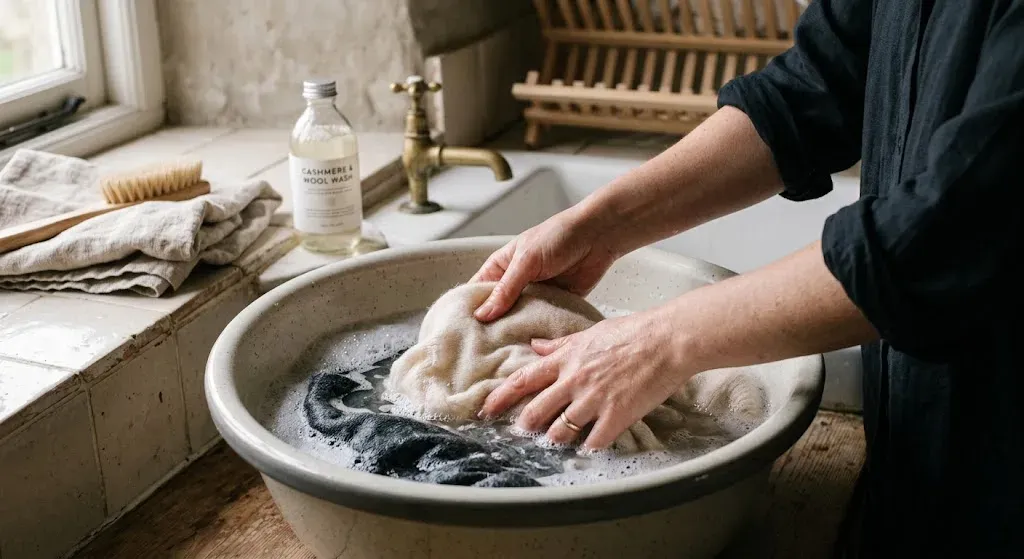
A poorly maintained cashmere skein or garment will quickly lose its yarn advantages: lightness, luster, and exceptional warmth. To avoid this, always prioritize hand washing, even for accessories like scarves or home-knitted sweaters.
- Fill a basin with lukewarm water (≤ 30 °C) and add a small amount of special wool detergent.
- Submerge the garment, pressing gently to soak it without rubbing or wringing.
- Let it soak for 10 to 15 minutes, then press again to squeeze out the soap.
- Rinse thoroughly in cold water until all soap suds have disappeared.
- Press between two absorbent towels to soak up excess water, without wringing.
- Lay flat on a dry towel, reshape it, and let it air dry away from direct sunlight.
FAQ
Is cashmere warm? Yes, cashmere is up to 3 times more insulating than standard wool thanks to its fibrous structure that traps air while remaining breathable.
How is wool ranked? There is no single official ranking; comparison is based on fineness (microns), fiber length, origin, and certifications. Cashmere under 16 microns sits at the top for softness.
What is cashmere material? Cashmere is the fine down taken from under the guard hair of the cashmere goat (Capra hircus laniger), raised primarily in Mongolia, China, and Iran.
What is the best cashmere in the world? Mongolian cashmere is reputed to be the best due to the -40 °C winters that produce an ultra-fine (< 16 microns), long, and dense down with certified traceability.
Where does cashmere wool come from again? It comes from the down of cashmere goats raised in the Mongolian steppes, where the extreme climate promotes an exceptionally fine fiber.
Where to buy cashmere wool? At specialized yarn retailers (TEHETE, Lotus Yarns, Lang Yarns, Phildar), in haberdasheries, on their official websites, or through certified wool retailers.
How do I care for it? Hand wash in lukewarm water (≤ 30 °C) with wool detergent, rinse in cold water, squeeze out water in a towel, and dry flat in the shade.
Sources
- Cachemireland — All about cashmere (origin, quality, care)
- Les Triconautes — Choosing the best cashmere wool (brands, specs, care)
- Hircus — The most beautiful cashmere in the world (Mongolia, altitude, rarity)
See also
- knitting a sleeveless sweater
- knitting a baby hat
- My first knitted socks!
- hand-knitted gifts