In short
- Fibers are divided into three main categories: animal, plant, and synthetic.
- Animal fibers, such as merino, offer warmth and elasticity.
- Plant fibers, such as cotton or linen, are ideal for summer.
- Your choice of fiber depends on the drape, care requirements, and the season of your project.
Knitting relies primarily on the choice of fiber—the raw material that determines both the final look of the garment and its intended use. Fibers are classified into three major families: animal fibers, such as wool or silk, which provide warmth and elasticity; plant fibers, derived from plants like cotton or linen, ideal for lightweight and breathable creations; and finally, synthetic fibers, engineered in laboratories to mimic or complement these properties.
Each type possesses distinct properties in terms of strength, absorbency, or care, directly influencing the comfort and durability of your project. Whether you are making a winter sweater or a summer shawl, the fiber choice also affects the structural integrity of the yarn and the ease of knitting—two essential criteria for both beginners and experienced knitters.
To refine your selection, it is helpful to understand the origin of each fiber: a wool sourced from a Merino sheep, for example, offers unparalleled softness thanks to its fine diameter, while pesticide-free cotton guarantees optimal lightness and absorbency for summer outfits.
Synthetic fibers, on the other hand, allow you to bypass constraints related to maintenance or washability, while providing economical alternatives. The goal? To find the perfect balance between your project's needs—warmth, strength, or absorbency—and practical requirements, such as sustainable cultivation or long-term durability.
Defining the Raw Material: Textile Fiber
A textile fiber is a one-dimensional, flexible, and strong material that can be transformed into yarn through twisting or stretching. In its raw state, it forms the basis of fabrics and garments, whether they are knitted, woven, or felted. Its structure, often microscopic, gives it specific mechanical properties: elasticity, tensile strength, or heat retention. These characteristics depend on its origin—animal, plant, or synthetic—as well as its processing method, which may include chemical or physical stages.
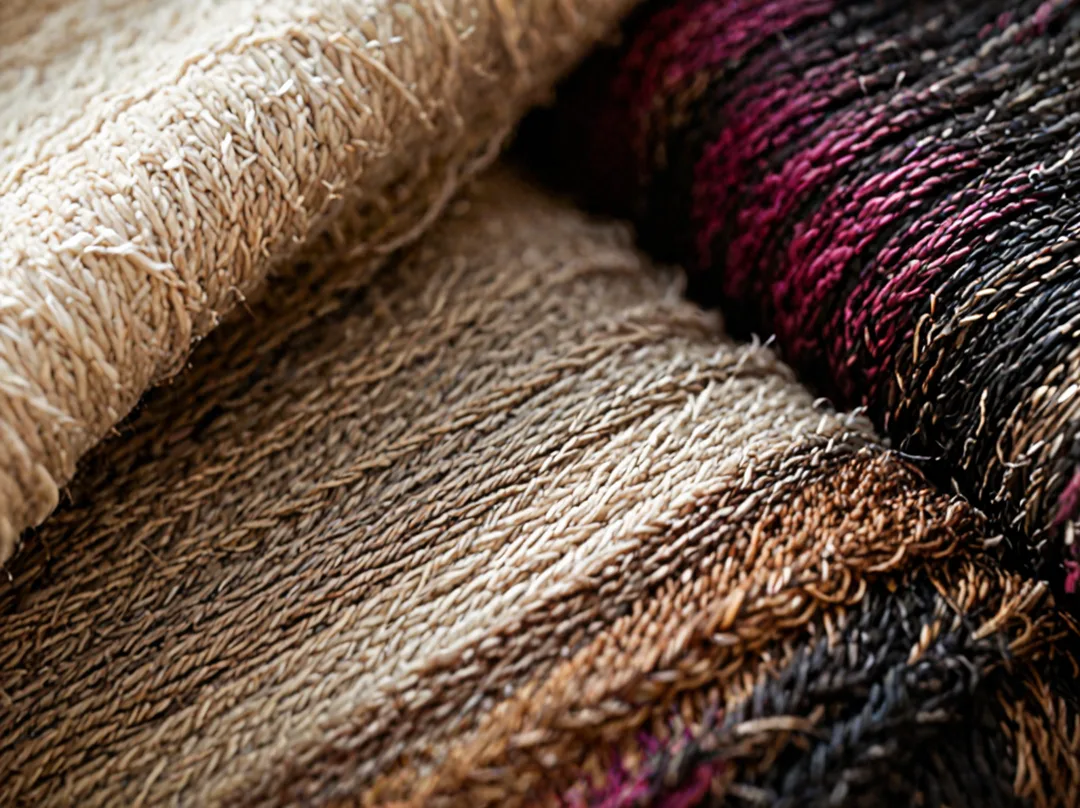
For example, a natural fiber like linen, extracted from the plant's stem, offers natural lightness and moisture absorption, whereas a synthetic fiber, obtained through extrusion, can be designed to resist chemicals or wear and tear. In the world of knitting, the choice of fiber directly influences the final result: its texture, its sheen, and even its durability after washing.
Animal Fibers: The Choice for Warmth
Animal fibers, derived from the animal kingdom, are among the most prized in knitting for their unique properties of softness, insulation, and resistance. Obtained mainly from mammalian fleece or silk produced by certain insects, they are distinguished by their natural absorbency and their ability to regulate body temperature.
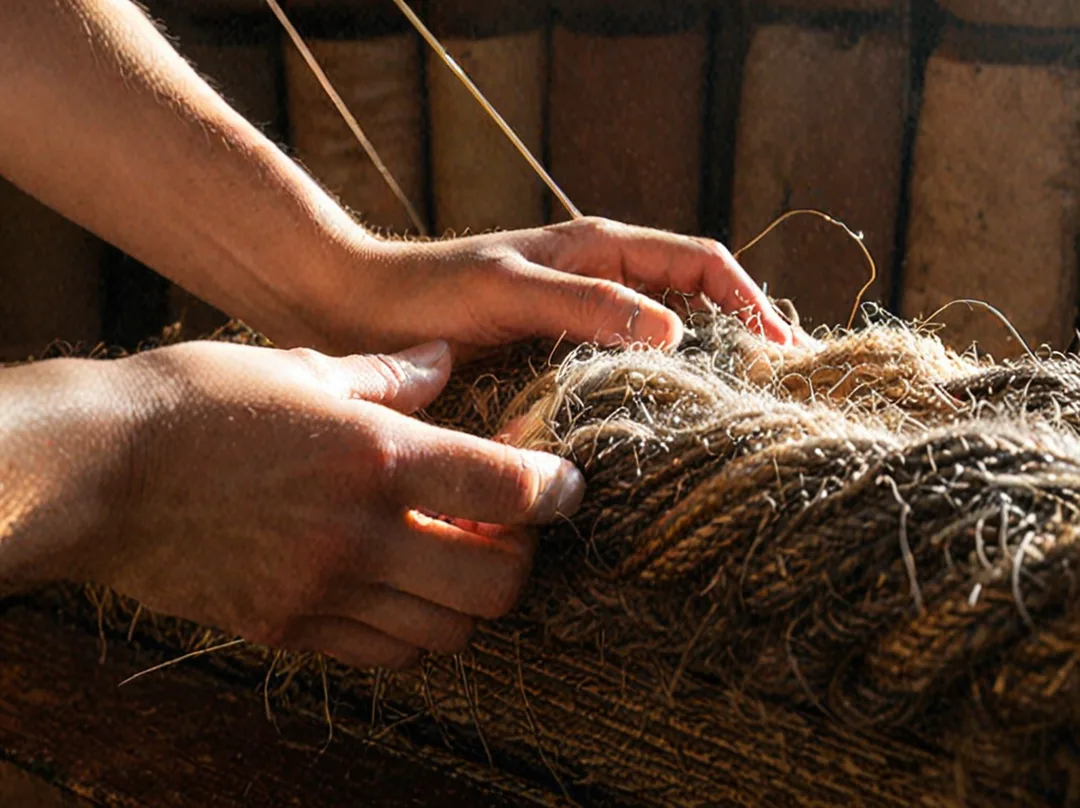
These natural fibers are often chosen for their luxurious feel and durability, although their production can involve ethical and environmental considerations depending on the processing methods used. Their structure, composed of proteins like keratin, provides them with superior elasticity and strength compared to many plant fibers, while offering remarkable lightness for warm and comfortable clothing.
| Fiber | Warmth | Elasticity | Ideal Use |
|---|---|---|---|
| Merino | High | Excellent | Everyday wear |
| Alpaca | Very high | Medium | Winter accessories |
| Cotton | Low | Low | Summer clothing |
| Acrylic | Medium | Good | Budget-friendly projects |
Wool and the Softness of Merino
Wool, the most widespread animal fiber, is renowned for its versatile material and thermoregulating properties. Among its varieties, merino wool stands out due to its fine fiber diameter, generally between 15 and 25 microns, which gives it exceptional softness and increased resistance to pilling.
Unlike other types of wool, it is less prone to skin irritation, making it a preferred choice for garments worn in direct contact with the skin. Its production process, often associated with extensive farming, also influences its environmental impact, particularly regarding energy use and the management of grazing lands.
Alpaca, Cashmere, and Mohair
Alpaca, cashmere, and mohair represent exceptional fibers, often classified as luxury materials due to their rarity and unparalleled softness. Alpaca, originating from the Andean highlands, offers remarkable lightness with superior strength to standard wool, thanks to hollow fibers that trap air for optimal insulation.
Cashmere, meanwhile, is harvested from the undercoat of the cashmere goat and is characterized by short but ultra-fine fiber lengths, ideal for fabrics with a softness comparable to silk. Finally, mohair, derived from the fleece of the Angora goat, is distinguished by its natural luster and strength, although its spinning process can present increased difficulty due to its silky and fragile texture.
Plant Fibers: Lightness and Freshness
For summer projects or creations requiring natural lightness and freshness, plant fibers are an ideal choice. Derived from cultivated plants, they offer an eco-friendly alternative to animal fibers while providing properties suited to warmer seasons.
Their strength and ability to regulate temperature make them preferred materials for summer clothing or lightweight accessories. Unlike animal fibers, which are often associated with heat, plant fibers are distinguished by their durability and their ability to remain pleasant to the touch even in high heat.
- Avoid knitting too tightly to maintain drape
- Opt for wooden needles to minimize friction
- Always knit a swatch before starting
- Anticipate how the yarn will behave after washing
Cotton and Its Uses
Cotton, the most widely used natural fiber in the world, is a staple for knitting thanks to its softness and ease of care. Derived from the cotton plant's stem, this material comes in several varieties, such as Egyptian or Pima, which are renowned for their length and strength.
Cotton is particularly appreciated for its ability to absorb water without losing its shape, making it a safe choice for projects exposed to moisture. Its fine, even diameter allows for smooth knitting, ideal for beginners or creations requiring precise finishes. Popular cotton yarns include brands like Belle Laine or Fonty, often offered in blends to improve their elasticity.
Knitting with Linen
Knitting with linen requires a specific approach due to the unique properties of this natural fiber, which comes from the stem of the flax plant. Known for its lightness and tendency to wrinkle quickly, this fiber also stands out for its exceptional strength: it can absorb up to 20% of its weight in water without feeling damp, making it an ideal material for summer clothing.
However, its natural stiffness can pose challenges in knitting, particularly in terms of the difficulty of maintaining even tension. To optimize results, it is advised to avoid knitting too tightly and to use wooden needles, which reduce friction. Blending it with other fibers such as viscose, silk, or cotton can mitigate these challenges while maintaining the raw, eco-friendly look of linen. Brands like BC Garn or La Droguerie offer linen yarns suitable for demanding projects.
The Alternative: Synthetic Fibers and Blends
Synthetic fibers, such as acrylic, offer an economical and versatile alternative for knitting, particularly due to their strength and durability, which are comparable to wool. Made from petroleum derivatives, they often mimic the properties of natural fibers while requiring less maintenance: they do not shrink in the wash and are resistant to mold.
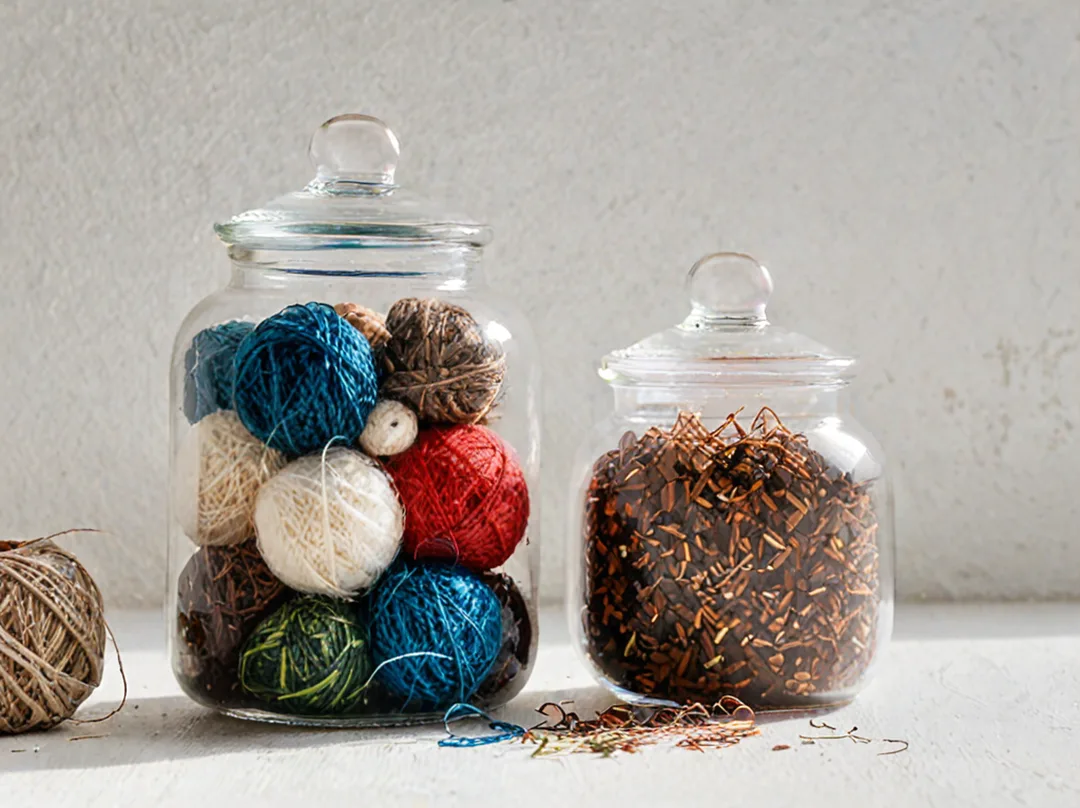
However, their lightness and limited absorbency make them a less suitable choice for winter clothing or projects requiring great elasticity. Furthermore, their energy-intensive manufacturing process raises environmental questions, particularly due to their dependence on chemicals and their contribution to plastic pollution. For ethically-minded knitters, these fibers remain a compromise between performance and sustainability.
- Acrylic for ease of care and price
- Polyester for strength and structure
- Wool-acrylic blends to balance comfort and budget
Spotlight on Exceptional Fibers: Spider Silk
Among all textile fibers, spider silk stands out as an exceptional material that is both technological and natural, produced by spiders from proteins secreted by their glands. Unlike traditional fibers like wool or cotton, it is not cultivated or processed through heavy industrial methods, but results from a unique biological process.
Its potential in the field of knitting remains marginal today due to the difficulty of large-scale production, but its properties make it a fiber that is as strong as it is light, already inspiring research for innovative textile applications.
- Strength comparable to steel
- Elongation capacity of up to 35%
- High resistance to water and absorption
- Structure composed of 63% crystalline parts
The Properties of Spider Silk
The properties of spider silk make it a material with exceptional mechanical performance, often compared to steel in terms of strength relative to its diameter.
Its hybrid structure, composed of a majority of crystalline parts (beta-sheets rich in alanine) and a significant portion of amorphous zones (alpha-helices based on glycine), explains its balance between strength and elasticity: capable of stretching considerably without breaking, it also absorbs energy from shocks and oscillations, while remaining rot-resistant and resistant to chemicals, including concentrated acids.
Its water absorption, similar to that of wool, makes it a promising material for technical garments, although its production process remains a challenge. These characteristics make it a natural fiber with diverse potential applications, far beyond traditional fabrics.
FAQ
What wool is best for knitting beginners? Wool-acrylic blends are ideal because they offer good elasticity and are easy to care for.
What are the different types of fibers? We distinguish between animal fibers (wool, silk), plant fibers (cotton, linen), and synthetic fibers (acrylic, polyester).
How do I handle elastic yarn when knitting? You need to adjust your knitting tension and often use appropriate needles to maintain the structure of the stitch.
Can you knit with linen? Yes, but it requires consistency because it has little elasticity; using wooden needles is recommended.
Why use acrylic? Acrylic is economical, machine-washable, and comes in a wide variety of colors.
Sources
- Wikipedia: Textile fiber – en.wikipedia.org
- Les Triconautes: All about linen
- Textile Addict: Spider silk
See also
- Knitting an adult throw blanket: patterns, sizes, and techniques
- knitting gauge
- My first knitted socks!
- circular needles