In short
- One of the largest fiber festivals in the United States, established in 1980.
- Features over 300 exhibitors and attracts approximately 30,000 visitors annually.
- A unique blend of fleece competitions, technical workshops, and livestock shows.
- Held every October at the Dutchess County Fairgrounds in Rhinebeck.
The New York State Sheep & Wool Festival (Rhinebeck) has established itself as a must-attend event for wool and knitting enthusiasts in the United States, drawing thousands of passionate makers from around the world every year. Founded in 1980, this unique event combines sheep farming traditions, textile craftsmanship, and community spirit, with more than 300 exhibitors and nearly 30,000 visitors flocking to the Dutchess County Fairgrounds each October.
From fleece competitions and knitting demonstrations to livestock exhibitions, the festival offers total immersion into the world of fiber, where ancestral expertise meets contemporary innovation. Its name, often shortened to "Rhinebeck" by knitters, reflects its status as a premier destination for those who celebrate wool in all its forms.
Beyond American borders, the festival enjoys international acclaim, attracting participants and exhibitors from Europe, Australia, and Canada. This global dimension reinforces its exceptional character: Rhinebeck is not just a trade show or a craft fair, but a sanctuary where enthusiasts from across the globe meet, united by their love for wool and the textile arts.
Its success lies in its ability to marry tradition—featuring iconic sheep breeds and ancestral spinning techniques—with modernity, through innovative workshops and contemporary designs.
A Global Sanctuary for Fiber Arts
The New York State Sheep & Wool Festival (Rhinebeck) stands as a major event, attracting enthusiasts worldwide to celebrate wool and the fiber arts. Every year, at the Dutchess County Fairgrounds, this festival becomes the beating heart of the knitting community, where breeders, artisans, and hobbyists come together.
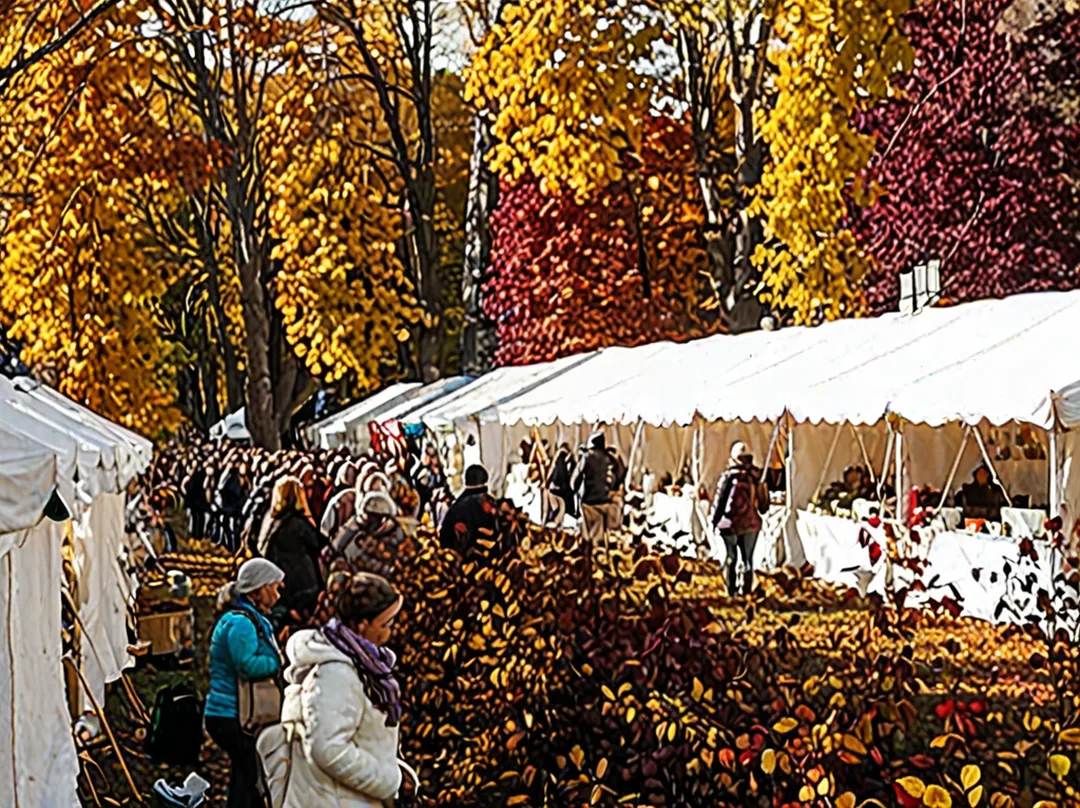
Its name, often simplified to "Rhinebeck" by knitters, carries a reputation that reaches far beyond the United States, making this event a bucket-list destination for anyone looking to discover or deepen their passion for wool. As The Daily Catch notes, it offers "something for everyone," whether you want to admire award-winning sheep, watch spinning demonstrations, or participate in technical workshops.
The festival's universal appeal extends well beyond American borders. Visitors from Europe, Australia, and Canada travel to Rhinebeck every year, drawn by its unique atmosphere where sheep farming tradition and textile creativity intertwine.
As HV Magazine points out, "Flock to Rhinebeck" perfectly captures the enthusiasm surrounding this event, where you can observe rare sheep breeds, connect with industry experts, and head home with exclusive yarns. This international dimension cements its status as a global sanctuary for the fiber arts, a place where a passion for wool transcends cultures and generations.
New York State Sheep and Wool Festival (Rhinebeck, NY): A Textile Legacy
The history of the New York State Sheep and Wool Festival (Rhinebeck, NY) began in 1980, when local breeders, artisans, and fiber enthusiasts sought to create a dedicated space to celebrate wool and textile craftsmanship.
Originally, the event aimed to bring together a scattered community of sheep farmers, dyers, knitters, and other creators to share their techniques, materials, and love for natural fiber. It quickly became an essential gathering for those who see wool as much more than just a material: it is a living tradition, an art form, and a renewable resource.
Born in New York State, the festival has embodied a simple philosophy from the start: uniting those who transform wool into a legacy, whether they are shepherds preserving ancient breeds or artisans innovating in spinning and dyeing techniques. Its deep roots in the region, set against the rural landscapes of Rhinebeck and surrounding sheep farms, also serve as a tribute to sustainable agriculture and the resilience of rural communities.
Organic and Passionate Growth
Since its modest beginnings, the New York State Sheep and Wool Festival has experienced organic growth, driven by a collective passion for fiber and a desire to preserve artisanal skills. What started as a local initiative has evolved over the decades into one of the largest fiber gatherings in the United States, attracting visitors from across the globe.
The festival has become a benchmark thanks to its educational, commercial, and cultural approach, providing a space where breeders, artisans, and enthusiasts can exchange ideas, learn, and find inspiration.
Exhibition booths, live demonstrations, and hands-on workshops have expanded its audience far beyond industry professionals, attracting hobbyist knitters, textile designers, and even collectors in search of rare yarns. This diversification has strengthened its status as a multidisciplinary event, where tradition meets modernity, and ancestral know-how meets contemporary fiber innovation.
The festival's attendance reflects this growing popularity: while several thousand people attended the thirty-fifth edition, the crowds have since grown to tens of thousands of annual visitors, making Rhinebeck a pilgrimage site for wool lovers.
This progression is due to several factors, including the exceptional quality of the exhibitors—from breeders offering specific breed wools (such as Merino or Jacob) to artisans mastering natural dyeing or hand-spinning techniques—and the sheer variety of activities on offer.
The festival has also become a laboratory of ideas, where important industry topics are discussed, such as the sustainability of farming practices or the environmental impact of processing methods. This dynamic has allowed the New York State Sheep and Wool Festival to stand out from similar events by combining festivity, expertise, and ecological commitment, all while staying true to its core mission: celebrating wool in all its forms.
The Rhinebeck Experience: Passion and Heritage
In Rhinebeck, the festival feels like one large family where knitters, spinners, and breeders recognize one another, united by a shared passion for natural fiber. The atmosphere is warm and welcoming, blending technical exchanges between experts with the wonder of novices watching live demonstrations.
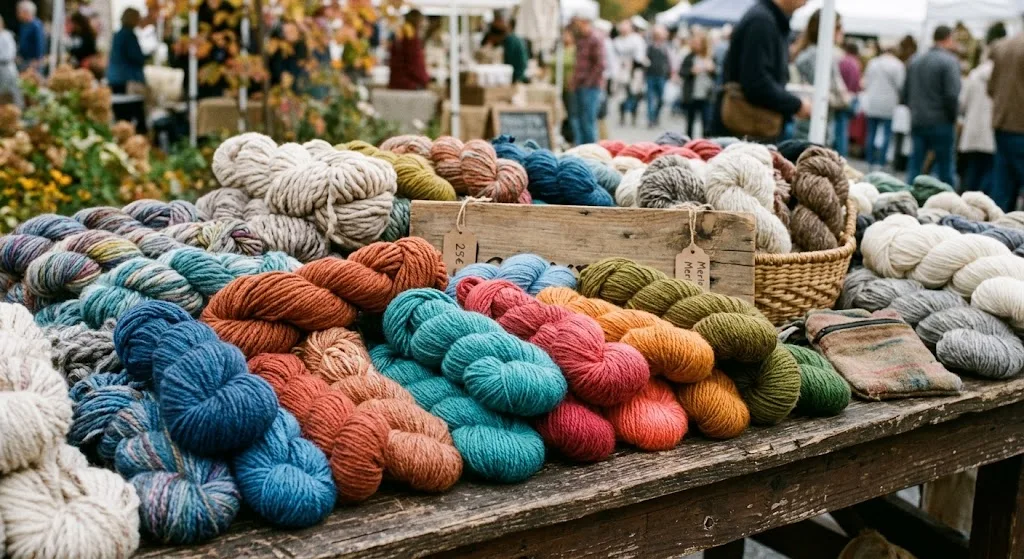
Visitors wander between stalls, hands full of wool to touch, smell, and imagine under their needles, creating a unique energy where every detail—from the click of looms to lively discussions—tells the living story of an ancestral craft.
The festival draws its magic from the bucolic setting of the Dutchess County Fairgrounds, an iconic location that embodies the soul of the American Northeast. Surrounded by rolling green hills and fields where sheep occasionally graze, this 120-hectare site offers a setting that is both rustic and elegant, where century-old barns stand alongside modern spaces dedicated to artisans.
It is here that the richness of the regional sheep industry is celebrated each year, attracting thousands of enthusiasts eager to admire local breeds like the Merino or the Jacob, or to discover artisanal spinning and dyeing techniques. In this way, the festival transforms a simple event into a true celebration of heritage, where wool becomes the common thread between tradition and innovation.
New York Sheep & Wool Festival: Event Highlights
The New York State Sheep & Wool Festival is distinguished by a program as rich as it is varied, designed to celebrate the world of wool in all its forms. Over two days, the festival brings together more than 300 exhibitors specializing in the fiber arts, practical workshops, sheep shearing and wool processing demonstrations, as well as spaces dedicated to livestock breeds and textile creations.
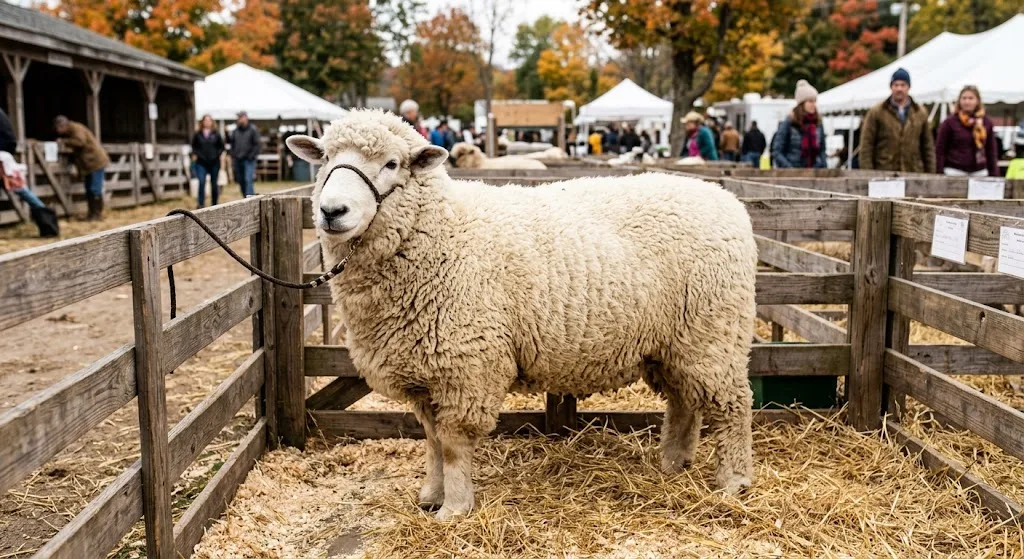
Every year, the event attracts thousands of enthusiasts, from beginners to master artisans, around a single passion: the culture of wool and traditional craftsmanship. Between exhibition booths, fiber competitions, and activities for children, the festival offers complete immersion into the textile ecosystem, where every detail—from tools to techniques—is celebrated.
Excellence in Wool and Fibers
At the heart of the festival, the Fleece Show and Sale holds a central place, serving as an essential platform for breeders and luxury wool buyers. This dedicated space allows producers to present their finest fleeces, often from rare breeds or selected for specific qualities, while textile professionals—designers, knitters, and dyers—find exceptional raw materials.
The transactions taking place here reflect the economic importance of the event: wool is evaluated not only for its weight or texture but also for its creative potential, making the Fleece Show a place where unique lots are sometimes negotiated, reserved for collectors or high-end brands.
The diversity of materials offered by the hundreds of vendors on-site is equally remarkable. You will find virgin wools, hand-dyed or processed using artisanal methods, as well as finished accessories—scarves, sweaters, socks—signed by local or international artisans.
Exhibitors specializing in tools (needles, spinning wheels, looms) sit alongside those offering alternative fibers like cashmere, angora, or organic cotton, meeting the expectations of an audience seeking quality and authenticity. This concentration of resources in one place makes it a reference point for professionals and hobbyists alike who wish to expand their material palette or discover innovative techniques.
- Award-winning fleece sales
- Spinning and weaving tools
- Artisanal yarns and unique dyes
- Specialized knitting accessories
- Rare fiber materials
Learning and Skill Sharing
Hands-on workshops are one of the educational pillars of the festival, offering participants the opportunity to perfect their skills in knitting, weaving, or basketry under the guidance of renowned experts. Every year, dozens of sessions are offered, covering themes as varied as stockinette stitch technique, natural clay dyeing, or creating complex crochet patterns.
These classes, adapted to all skill levels, allow beginners to start in a supportive environment, while experienced artisans find tips to push their limits, such as mastering layered wools or creating dimensional embroidery. The focus is on experimentation, with live demonstrations where participants can handle materials and ask instructors questions.
Live demonstrations play a key role in passing on traditional skills that are often at risk of disappearing. You can see shearers in action, transforming a raw fleece into clean, carded wool, or weavers manipulating ancient looms to create unique fabrics. These live spectacles, which are free to the public, allow visitors to understand the key steps of the textile industry, from the sheepfold to the design studio.
Some artisans also share their natural dyeing techniques, using natural pigments like ochre or indigo, offering a holistic view of the production chain. These moments, both educational and inspiring, strengthen the bond between generations and preserve a technical heritage that makes the festival so rich.
Livestock and Agricultural Displays
The festival showcases an exceptional diversity of sheep and goat breeds, each selected for its specific wool characteristics. In the dedicated enclosures, visitors can observe Merino sheep, renowned for their fine, dense wool, alongside hardier breeds like the Jacob or Cheviot, which offer unique textures.
Angora goats, the source of mohair, as well as llamas and alpacas, which produce long, silky fibers, complete this textile menagerie, offering a deep dive into animal genetics serving the fiber arts. Each breed is presented with its unique traits, allowing breeders and enthusiasts to compare wool qualities and consider creative uses or crosses.
Competitions and parades are among the most spectacular highlights of the festival, culminating in the 'Make it with Wool' fashion show. During this event, models walk the runway in creations made entirely of wool, showcasing the material's versatility for pieces ranging from evening gowns to functional garments.
Juries also award prizes for the best fleeces, the most beautiful woven or knitted pieces, and innovations in processing, such as recycled wools or original blends. These competitions, both fun and technical, highlight the ingenuity of artisans and encourage a creative approach to wool that goes far beyond traditional uses.
Practical Information for Your Visit
To prepare for your visit to the New York State Sheep & Wool Festival in Rhinebeck, here are the key details you need to know. The festival spans two days, with hours tailored for visitors: Saturday from 9:00 AM to 5:00 PM and Sunday from 9:00 AM to 4:00 PM. Entry to the site is $18 per day at the gate, but for those looking for Rhinebeck Wool festival 2026 tickets, please note that online tickets are available now for $15 (plus service fees).
Children 11 and under receive free admission, making it a family-friendly destination. The festival takes place in Dutchess County, near Rhinebeck, providing an ideal setting to combine textile discovery with immersion in a region defined by sheep farming and artisanal expertise.
| Detail | Information |
|---|---|
| 2026 Dates | October 17 and 18 |
| Location | Dutchess County Fairgrounds, Rhinebeck |
| Hours | Saturday 9 AM-5 PM / Sunday 9 AM-4 PM |
| Gate Price | $18 per day |
| Advance Price | $15 (plus fees) |
A Pillar for the Northeastern Sheep Industry
The New York State Sheep & Wool Festival plays a key role in promoting the sheep farming industry of the American Northeast by highlighting a dynamic local sector. Each edition brings together breeders, artisans, and professionals for a unique celebration of wool, increasing the visibility of regional producers.
This event, held annually at the Dutchess County Fairgrounds in Rhinebeck, serves as a springboard for those in the sheep industry by fostering exchanges between agricultural tradition and textile innovation. It also helps raise public awareness about the economic and cultural importance of wool, while supporting local supply chains and regional artisanal skills.
The event embodies the dialogue between traditional agriculture and contemporary creation, combining ancestral know-how with modern practices. Shearing demonstrations, spinning workshops, and textile art exhibitions illustrate this fusion, where every piece tells the story of an unbreakable link between the land and the fiber.
This synergy strengthens the visitors' connection to a living textile heritage while inspiring new generations of knitters and breeders. The festival thus becomes a symbol of the resilience of wool crafts, rooted in a territory where sheep farming remains an essential component of the rural economy.
FAQ
What is the Rhinebeck Sheep and Wool Festival schedule for 2026? The festival will be held on October 17 and 18, 2026, with hours from 9:00 AM to 5:00 PM on Saturday and 9:00 AM to 4:00 PM on Sunday.
Do I need tickets for the Rhinebeck Sheep and Wool Festival? Yes, there is an admission fee. Tickets are available in advance online (approximately $15) or directly at the gate ($18).
Where is the Rhinebeck Sheep and Wool Festival located? The event takes place every year at the Dutchess County Fairgrounds in Rhinebeck, New York.
How many people attend the Rhinebeck Sheep and Wool Festival? The festival attracts approximately 30,000 visitors every year from all over the world.
What animals can I see at the festival? The festival features sheep, goats, Angora rabbits, llamas, alpacas, and musk oxen.
Sources
- Sheep and Wool - Official Site
- Dutchess County Fair - Events – dutchessfair.com
- Wikipedia - New York State Sheep and Wool Festival – en.wikipedia.org
See also