In short
- The perfect marriage of merino softness and linen freshness
- Natural thermal regulation for optimal comfort
- Ideal for mid-season and spring garments
- A lovely feel with high durability
Knitting gains both versatility and elegance when you combine merino wool and linen, two fibers with perfectly complementary properties. The former, renowned for its softness and ability to regulate body temperature, pairs beautifully with linen, known for its lightweight feel and natural coolness. Together, they offer the perfect alliance for mid-season or spring garments, where thermal comfort is key without adding unnecessary weight to your work.
This combination is also beloved for its pleasant feel—both silky and breathable—while ensuring increased resistance to friction and wear. Whether you are making a flowing sweater or a light hat, these fibers open up endless creative possibilities while meeting the high standards of discerning knitters.
Why choose this duo? Because merino wool provides warmth and elasticity, while linen adds lightness and structure, reducing the risk of your projects losing their shape. This synergy is particularly appreciated for sweaters and hats, where the quality of the final piece depends as much on the choice of fibers as it does on the needles used. Knitters looking for versatile yarns will find the perfect solution for all your projects, whether they are classic or bold.
Why choose merino wool and linen for knitting?
Choosing merino wool and linen for your knitting means prioritizing a natural fiber that combines comfort with easy care. Merino, derived from Merino sheep, is recognized for its exceptional softness, even after washing, while linen, extracted from flax, adds a touch of freshness and natural weather resistance.
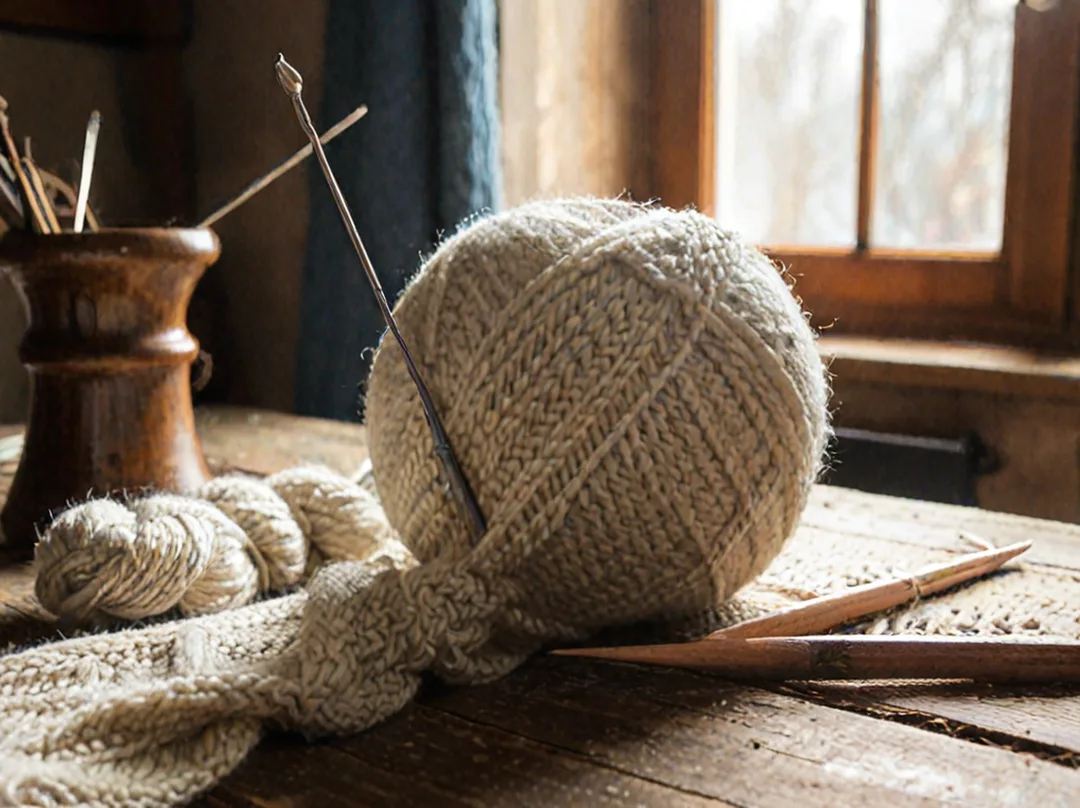
This combination is ideal for garments intended for transitional seasons, where fluctuating temperatures require reactive materials. Skeins of yarn blending these two fibers stand out due to their texture, which is both soft and structured—perfect for sweaters or accessories that combine elegance with practicality.
The synergy between the warmth of merino and the lightness of linen creates a unique thermal balance. Thanks to its ability to insulate without overheating, merino maintains a stable body temperature, while linen's porosity promotes air circulation and wicks away moisture. The result: clothing that adapts to temperature changes without sacrificing comfort.
This property makes it a preferred choice for hats, scarves, or even light sweaters, where the quality of wear depends directly on how the fibers respond to external conditions. Knitters also appreciate this alliance for its ease of care, as linen is highly durable and merino retains its shape after washing.
Want to knit with TOT Merino Linen Wool?
Looking to knit with TOT Merino Linen Wool? This hybrid skein is captivating due to its balance of softness and lightness, making it ideal for spring or summer projects. The merino provides a supple, warm base, while the linen adds a touch of freshness and structure, reducing the risk of pilling or excessive stretching.
These types of yarns are often offered in natural or pastel colors, perfect for flowing sweaters or minimalist accessories. Their quality is enhanced by a fiber-friendly treatment, preserving both the silky feel of the merino and the natural crispness of the linen. For knitters in search of versatile yarns, this skein offers a ready-to-use solution adapted to all your projects, from simple patterns to more technical creations.
Wool and Knitting: A deep dive into merino
Merino wool, the undisputed star of modern yarns, appeals as much through its technical properties as its exceptional feel. Originating from Spanish flocks, this fine fiber from the Merino sheep breed has become a must-have for demanding knitters. Its secret?
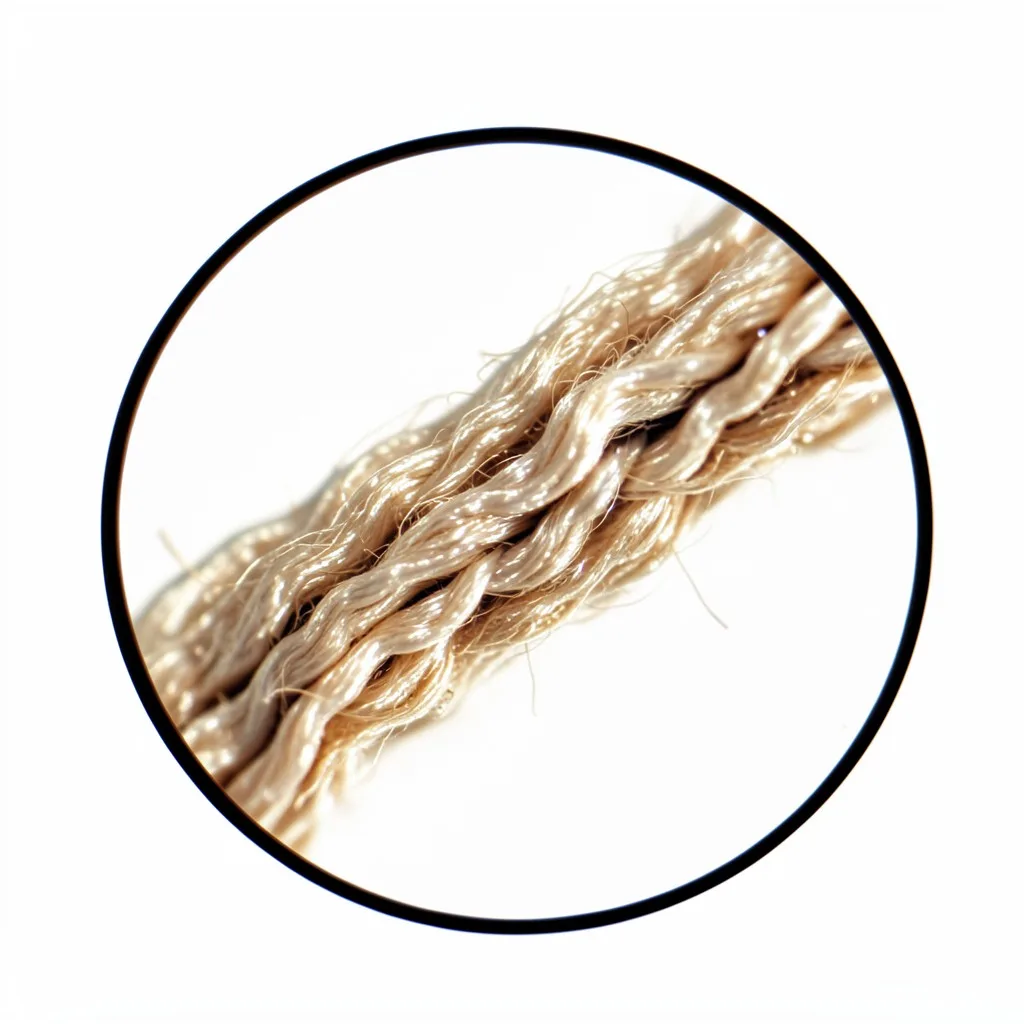
A unique structure where the fiber scales are so fine that they glide over one another, almost entirely eliminating any "itchy" sensation. This characteristic explains why, among all available wools, merino remains the preferred choice for everyday sweaters or hats without compromising on comfort.
Why choose merino?
Choosing the right merino wool starts with understanding why this natural fiber dominates premium yarn catalogs. Merino is distinguished by unparalleled softness, almost comparable to silk, while offering superior strength. Contrary to popular belief, it keeps you warm without weighing down your work, thanks to its ability to insulate while letting the skin breathe.
It is a major asset for temperate climates or transitional seasons, where you want to avoid overly thick skeins. Furthermore, its antibacterial nature and low tendency to retain odors make it an ideal material for clothing worn during movement, such as scarves or gloves. Finally, its simplified care—it dries quickly and resists washing better than many other wools—makes it a durable partner for all your knitting projects.
What is merino?
What exactly is merino? Behind this term, frequently mentioned in specialized articles, lies an iconic sheep breed, raised since the 13th century in Spain before conquering the world. Merino sheep, known for their ultra-fine wool, owe their reputation to a rare genetic mutation: their fibers can be as thin as 25 microns in diameter, compared to 30 to 40 for conventional wool.
This exceptional fineness, combined with high density, allows for the creation of yarns that are lightweight yet incredibly warm. Today, Australia and New Zealand dominate global production, where flocks are selected for wool quality, often certified superwash for machine washing without losing shape. This origin and these characteristics explain why merino, far more than just a simple fiber, embodies the perfect blend of performance and tactile pleasure.
Merino wool and linen for women's knitting
This blend of fibers and yarns offers a refined look and a lightweight feel, ideal for garment making. Combining the warmth of merino wool with linen allows you to create versatile pieces.
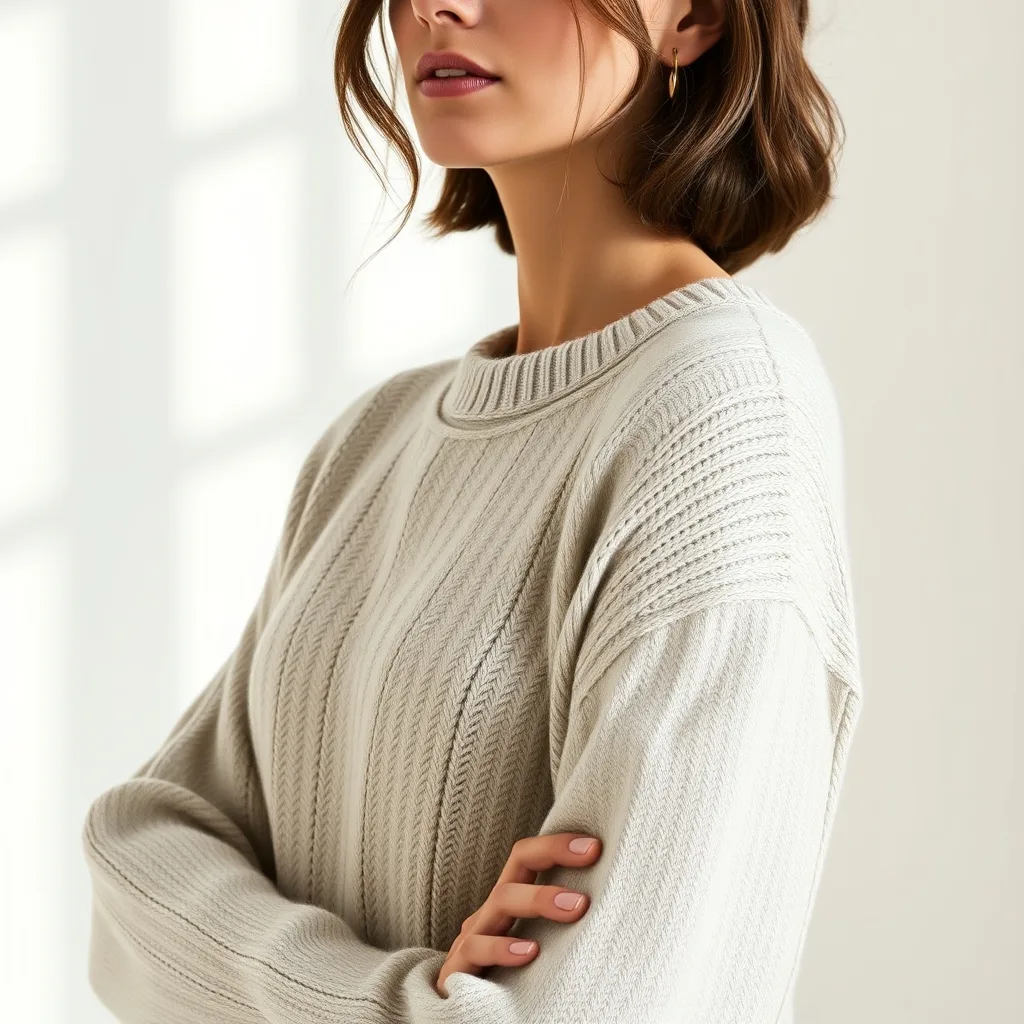
For those seeking a fluid drape, merino wool and linen for women's knitting is a top choice. This combination of materials brings subtle structure to your future works while guaranteeing pleasant comfort when wearing your sweater. Every item in this range is a high-quality product.
The quality of these yarns is revealed in their consistency and unique touch. Want to knit with TOT Merino Linen Wool? This product stands out through precise technical characteristics. With 216 m / 50 g, it is a fingering weight yarn. This specificity allows for the creation of fine, delicate knits.
Each skein has a weight between 47.5 and 52.5 grams, ensuring consistency for your projects. When browsing the catalog, you will discover that this merino wool blends the softness of merino with the stability of linen. These yarns are perfect for enriching your wool collection. Every piece made from these yarns adds a unique touch to your knitting repertoire. This merino is an essential staple.
DIY Merino Wool Knitting Inspiration
The blend of merino wool and linen opens up an infinite field of creation for knitters seeking originality. This duo combines the softness and durability of merino with the lightness and freshness of linen, making it ideal for summer projects or timeless pieces. Whether you want to explore flowing sweaters, light accessories, or textured details, this fiber combination offers rare versatility while remaining easy to work with.
Yarns specifically designed for this blend, such as those available in certain artisanal brand catalogs, highlight natural colors or soft hues, perfect for elegant and durable creations. For those who love to personalize their projects, this hybrid yarn also allows for creative touches, such as lace patterns or contrasting finishes, without sacrificing wearing comfort.
- Light mid-season sweaters
- Airy and elegant cardigans
- Summer fashion accessories
- Tops meant to be worn directly against the skin
Here are some concrete ideas to bring your knitting desires to life with this blend: an openwork hat for an airy effect, a short long-sleeved sweater for a casual style, or a lightweight scarf with geometric patterns. Accessories like fingerless gloves or structured bags also gain elegance with this fiber, while more ambitious pieces, such as a double-faced cardigan, benefit from its hold and natural sheen.
For beginners, a small project like a knitted cushion or a simple patterned tablecloth allows you to master the specifics of the yarn before moving on to more complex creations. The appropriate needles (size 3.5 to 4.5 mm for a soft finish) and a skein of merino wool and linen are often all you need to start, yielding results that are both technical and refined.
FAQ
What are the disadvantages of merino wool? It can be sensitive to excessive heat and requires delicate washing to preserve its structure.
How do I knit with two different types of wool? You can blend them into the same skein or use them together by following advice on yarn tension.
Is merino wool warm? Yes, merino is a thermal fiber that retains heat while regulating moisture.
Which merino yarns should I choose? The choice depends on the intended use: prioritize merino blended with linen for lightness, or with nylon for durability.
Sources
- Wikipedia: Merino sheep – en.wikipedia.org
- Dererumnatura: Alice yarn characteristics
- Ladylaine: The benefits of merino
See also
- Knitting an adult throw: patterns, dimensions, and techniques
- knitting gauge
- My first knitted sock!
- circular needles