
In short
- The elegance of combining cables and lace.
- Focus on the modern Canal Twist model.
- The crucial choice between top-down and bottom-up construction.
Lace cable sweater patterns elegantly combine two iconic knitting techniques: cables, which add movement and texture, and lace (eyelets), which lighten the piece while playing with light. This duo creates garments that are both sophisticated and timeless, perfect for both modern and classic looks. Among the standout designs, the Canal Twist Pattern distinguishes itself with its clean design and harmoniously integrated cables, offering a refined alternative to traditional sweaters.
The choice of construction—top-down or bottom-up—becomes crucial, as it influences not only the final look but also the ease of execution and sizing (XS to XXL). Whether opting for a seamless in the round design or a version with sleeves, these patterns transform simple yarn into a unique piece where every stitch tells a story.
For knitters seeking projects that are bold yet accessible, lace cable sweaters represent an ideal playground. Their polished finish, often featuring elegant ribbing or geometric details, makes them timeless staples. Contrary to popular belief, these models are not reserved for experts: with the right techniques (such as knitting in the round or progressive increases), even intermediate beginners can create seamless pieces with excellent structure.
The real challenge lies in the choice of pattern—some prioritize a fitted body and long sleeves, while others opt for a top-down approach for a more fluid effect. The goal? A sweater that embraces the silhouette while letting the creator's personality shine through.
The Charm of Lace Cable Sweater Patterns for Women
The blend of cables and lace in a single pattern gives rise to sweaters that captivate with a finish that is both graphic and tactile. Cables, with their dynamic spirals, provide relief and a unique play of light, while the lace—whether geometric, floral, or asymmetrical—lightens the garment without sacrificing warmth. This combination creates clothing that oscillates between a minimalist model and a statement piece, ideal for those looking for projects that are both elegant and original.
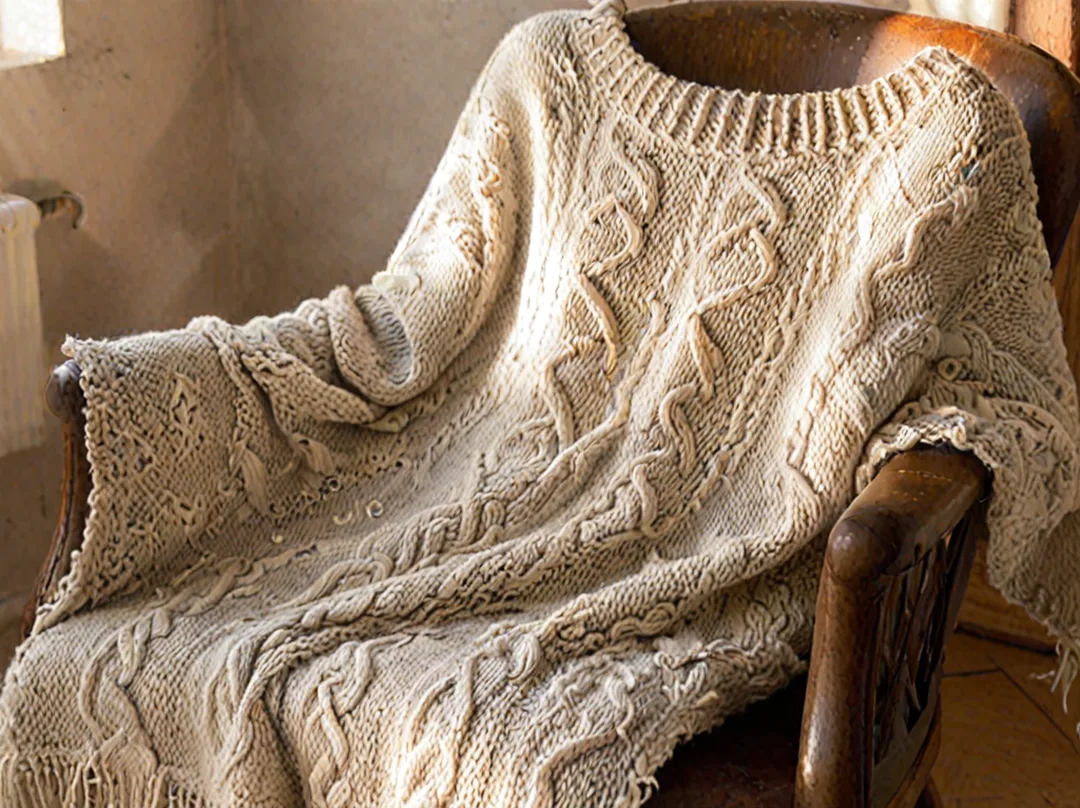
Among the most popular lace cable sweater patterns for women, some rely on tight ribbing to structure the body of the sweater, while others favor more free-flowing motifs, leaving room for improvisation. The advantage of these designs lies in their seamless nature: once knitted in the round, they naturally follow the body's shape, offering optimal comfort without compromising on style.
Spotlight on the Canal Twist Pattern – Sleeveless Cable Sweater (XS–XXL)
The Canal Twist Pattern – Sleeveless Cable Sweater (XS–XXL) stands out with its sleek design and openwork cables, combining elegance and simplicity. This model, designed for knitters comfortable with cabling techniques and knitting in the round, offers a modern look without the need for visible seams.
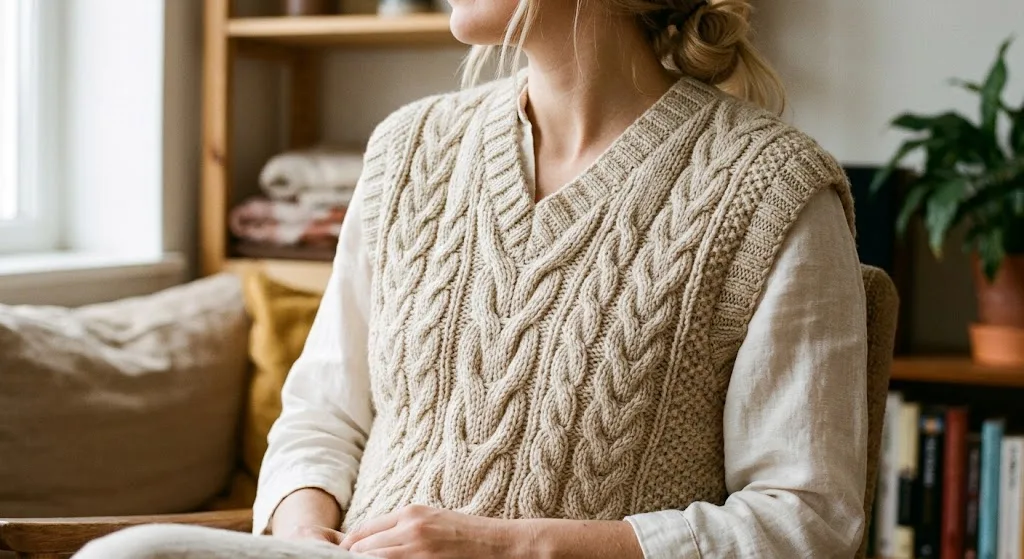
Its minimalist style makes it a timeless basic, ideal for lovers of structured yet subtle pieces. Available in sizes XS to XXL, it adapts to various body types while maintaining a harmonious silhouette, featuring textured details that catch the light for a sophisticated effect.
To make this sweater, the yarn yardage varies depending on the size chosen: 600 meters for an XS, up to 1,300 meters for an XXL, which is between 12 and 20 skeins of a yarn with 400 meters per 100 grams (e.g., merino wool or a cotton-wool blend).
These quantities, specified in the pattern, allow you to anticipate your raw material needs without the risk of running short or having too much left over, all while ensuring a smooth top-down construction. The choice of yarn also influences how the cables hold their shape: a slightly elastic wool or a cotton-wool blend is recommended to prevent stretching or distortion.
This model is primarily intended for intermediate to advanced knitters who can master crossover cables and regular increases to shape the body of the sweater. Its seamless in the round design also makes it an ideal project for those who prioritize impeccable finishes and comfortable-to-wear pieces.
Although sleeveless, its loose fit and straight drape make it a versatile piece, suitable for transitional seasons or as a layer under a cardigan. The lace ribbing at the shoulders adds a graphic touch without weighing down the model, making it accessible even to motivated beginners.
| Size | Recommended Skeins | Equivalent Meters |
|---|---|---|
| XS | 12 skeins | 600 m |
| S | 13 skeins | 800 m |
| M | 14 skeins | 900 m |
| L | 16 skeins | 1100 m |
| XL | 18 skeins | 1200 m |
| XXL | 20 skeins | 1300 m |
Knitting a Sweater: Which Construction Method to Choose?
The choice of construction method for a lace cable sweater directly influences its final look, its comfort, and even how easy it is to make. An ill-suited technique can alter the balance of the patterns, change how the sleeves hang, or complicate size adjustments.
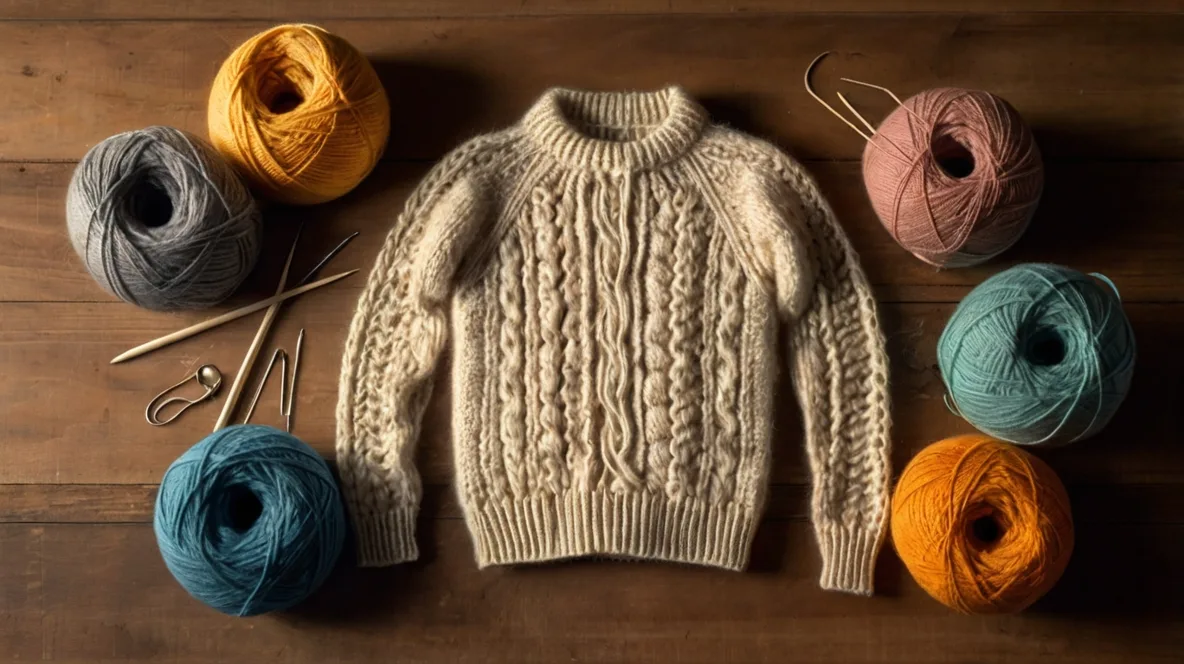
For a lace model like these cables, where the lightness and fluidity of the stitches are essential, selecting a method is a strategic move: it determines whether the project will gain flexibility or rigidity, elegance or rough edges. Both beginners and experienced knitters find distinct advantages depending on their skill level and their expectations regarding construction and sizing.
- Top-down is ideal for beginners because it limits seams.
- Top-down allows you to adjust the length as you knit.
- Bottom-up offers better structural stability to the garment.
- Bottom-up requires precise planning before you begin.
The Seamless Top-Down Method
The seamless top-down method is beloved for its freedom and adaptability, making it ideal for lace sweaters where cables and eyelets require progressive adjustments. Knitted in the round from the top down, this process allows you to modify the length of the sleeves or the body as you work, without the risk of imbalance.
Seams are minimal or non-existent, giving the garment a more fluid and professional look. This approach is particularly popular for women's models, where the construction must precisely follow curves. On the other hand, it requires good mastery of stitches and transitions between sections, especially to avoid unsightly tension in the lace areas.
The Seamed Bottom-Up Method
The seamed bottom-up method offers a more rigid but reassuring structure, perfect for knitters who prioritize stability and polished finishes. Starting from the ribbing and working upwards, this technique allows you to test sizes and proportions before sewing the shoulders and sleeves, thereby reducing the risk of error.
Visible seams then become a stylistic element, often masked by patterns or neat finishes. Although less flexible for mid-project adjustments, it is particularly suitable for complex models where the precision of the knitting steps (such as tight cables) is crucial. Its main challenge lies in the final assembly, which requires attention to harmonize the different pieces.
FAQ
Why choose the Canal Twist pattern? This pattern is appreciated for its modern design, worked texture, and versatility.
What yarn should I use for Canal Twist? Using a SPORT+ or MAGIC+ weight yarn is recommended to achieve the desired look.
Should I knit a sweater in the round from the bottom up or top down? The choice depends on your preference for seams (bottom-up) or adjustment flexibility (top-down).
Sources
See Also