In short
- Eight standardized yarn weights, from lace to super bulky, determine the look and knitting speed.
- Fiber type (wool, cotton, linen, alpaca, synthetic) dictates comfort, care, and seasonality.
- A 10 × 10 cm (4" x 4") gauge swatch is essential to check tension and avoid surprises.
- Beginners: opt for DK or worsted weight yarn in acrylic or a wool blend; they are much easier to handle.
Knitting, the ancestral art of textile creation, relies on interlocking stitches using needles, distinguishing it from weaving or nålbinding. This technique, both manual and technical, allows for the creation of varied garments—from lightweight cardigans to thick sweaters—by adapting the chosen knitting yarn and stitches.
To start or refine your practice, understanding the different types of yarn and their characteristics is essential: their composition, weight, and thickness directly influence the final result, your working speed, and even the season in which the item is worn.
For example, DK (double knitting) yarn offers an ideal balance for beginners, while super bulky yarn speeds up the creation of winter projects. The key also lies in the gauge: knitting a 10 × 10 cm swatch allows you to check your stitch tension and avoid surprises regarding the size or the comfort of the final result.
Choosing the right skein depends on three criteria: your intended project, your technical level, and the time of year—using fibers like alpaca for a soft, warm feel or acrylic for easier maintenance.
Yarn thickness can be measured in microns or millimeters, but it is the weight for a given yardage that determines its use. For the same weight of 100g, a lace weight yarn (0.5 mm) can provide over 1,000 meters, while a super bulky yarn (10 mm or more) may only offer 50 to 100 meters. This variation explains why a yarn catalog offers skeins with such different prices and results: a sweater made with fine yarn will require dozens of skeins, compared to just a few for a bulky model.
The colors and quality of the fibers (merino wool, cotton, synthetic) then refine the choice, depending on the desired softness, wash resistance, or visual effect—such as lace stitches (openwork) which beautifully highlight fine yarns. For knitters in a hurry, warm and voluminous fibers are gaining popularity, while those seeking precision prefer lighter yarns better suited for intricate details.
What is knitting and how are yarns classified?
Knitting is distinguished from other textile techniques by its very structure: it consists of interlocking stitches, formed by looping a yarn around needles. Unlike weaving, where threads cross perpendicularly, or nålbinding, which uses a pointed needle, knitting relies on the mobility of the loops, allowing for stretchy and openwork garments.
This characteristic explains why skeins of wool or synthetic yarns are chosen based on their ability to slide or hold their shape, influencing both the aesthetic appeal and the durability of the project. For example, a cardigan in tight stitches will hold its silhouette, while a sweater in loose stitches will offer a more relaxed look.
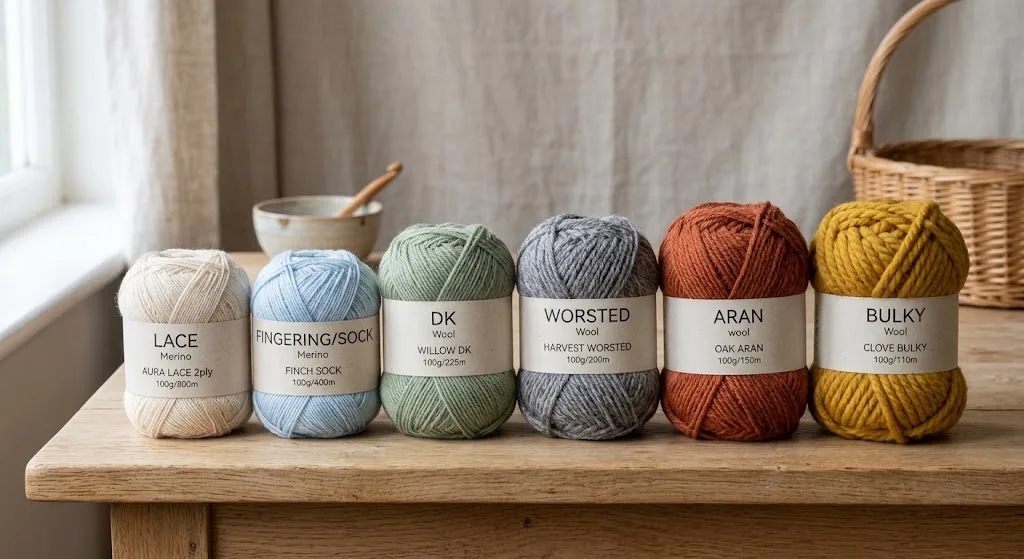
To classify knitting yarns, professionals rely on international standards that combine weight, thickness, and yardage. A single weight of 100g can correspond to radically different lengths: a lace weight yarn (0.5 mm) will exceed 1,000 meters, whereas a super bulky yarn (10 mm) will provide only 50 to 100 meters. This disparity has practical consequences: a larger quantity of fine yarn will be necessary to cover the same surface area as a bulky yarn.
Specialized brand catalogs detail these characteristics, often accompanied by recommendations for suitable needles and stitches, such as lace stitches for fine yarns or large stitches for voluminous fibers. This standardization allows knitters to compare products and anticipate the yardage needed for their projects, thereby avoiding running out of yarn or making size errors.
Yarn weights: from lace to super bulky
Yarn weight determines the visual result, knitting speed, and the purpose of your projects. From the finest threads to the thickest skeins, each category meets specific needs, whether for delicate lace stitches or warm, quick-knit sweaters. This guide to knitting yarns and threads details each weight with its recommended needles to help you choose based on your desired final product.
Fine yarns: lace, light fingering, fingering, sport
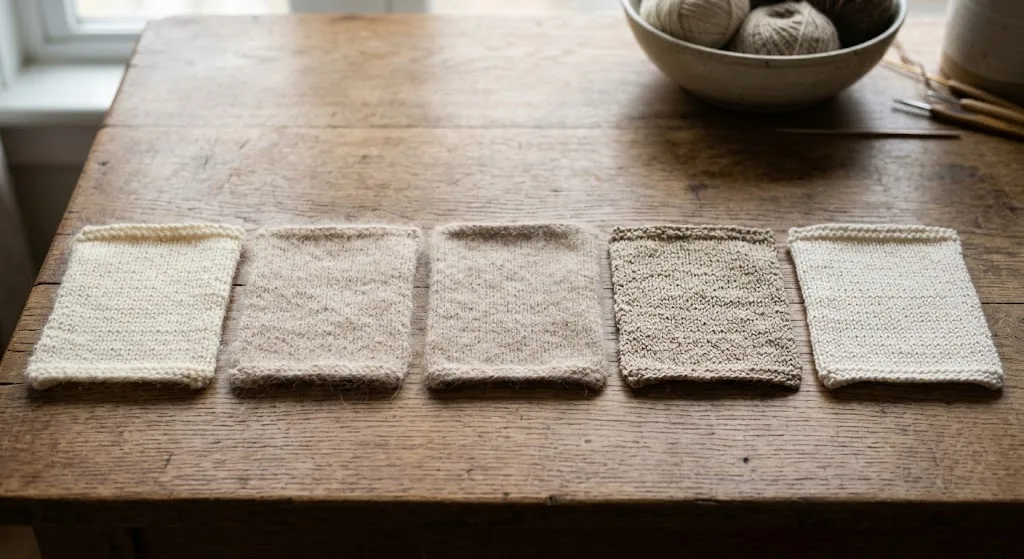
Lace weight, the finest of all yarns, is characterized by its lightness and exceptional length: a 50g hank offers between 500 and 1,000 meters, making it ideal for items like shawls or lace work. Knitted with needles in the 1.5 to 2 mm range, it is perfect for lace stitches and complex patterns where precision is more important than speed. Fibers like angora or mohair, often used in this category, add a beautiful touch but require delicate care.
Light fingering, with about 600m per 50g, represents a transition to more accessible yarns while maintaining a fineness suitable for socks or light scarves. Its recommended needles (3 to 3.25 mm) make it a versatile choice for projects requiring both elegance and durability.
Next is fingering weight, slightly thicker (400 to 500m per 50g), which is knitted with needles in the 2.5 to 4 mm range. It is aimed at knitters looking for a balance between detail and practicality, such as for fine cardigans or winter accessories.
Sport weight, with 300 to 400m per 50g, serves as a compromise between lightness and sturdiness. Knitted with needles in the 3.5 to 4 mm range, it allows for sweaters or scarves without sacrificing stitch definition. Its moderate weight and often blended composition (wool and synthetic fibers) make it a favorite for everyday items where comfort and durability are essential.
Medium weight yarns: DK and worsted
DK (Double Knitting) and worsted weight form the core of most knitting skeins, with yardages of 200 to 300m per 100g (DK) and 130 to 200m per 100g (worsted).
These two types of yarn, knitted respectively with needles in the 4 to 4.5 mm range (DK) and 4.5 to 5 mm range (worsted), are the most common in yarn catalogs because they offer a perfect compromise between speed of execution and quality of result. A DK sweater will be finer and more precise, while a 100g ball of worsted will allow for a thicker, warmer knit, ideal for cardigans or blankets.
These versatile fibers are also attractive due to their adaptability: DK is suitable for projects requiring bright colors and detail, while worsted excels at solid-colored items or simple patterns where speed is the priority. Their composition, often 100% wool or a blend, guarantees both softness and resistance, making them safe bets for beginners or for knitting timeless sweaters.
Bulky yarns: aran, bulky, super bulky
Aran weight, also called "fisherman," is characterized by its generous thickness (130 to 200m per 100g) and recommended needles of 5 to 6 mm. Traditionally used for fisherman sweaters or warm scarves, this yarn offers a rustic and durable finish, perfect for outerwear or winter clothing. Its composition, often thick wool or technical fibers, makes it a popular choice for projects requiring both warmth and durability.
Bulky or chunky weight, with 70 to 130m per 100g and needles of 7 to 10 mm, represents the heavy end of the skein spectrum. Its main advantage is speed: a hat or a scarf can be completed in just a few hours, making it a favorite for busy knitters or for making gift items. While less precise than fine yarns, it allows for the creation of bold products, such as oversized sweaters or accessories in vibrant colors, where style takes precedence over detail.
Materials and fibers: properties, comfort, and care
Merino wool stands out for its exceptional softness, its ability to regulate body temperature, and its natural resistance to pilling, thanks to its long, fine fibers. Cashmere, on the other hand, offers luxurious loft and incomparable lightness, while alpaca combines softness and sheen with increased resistance to friction. These animal fibers, though more expensive, are perfect for projects demanding a beautiful and durable finish, such as fine sweaters or winter scarves.
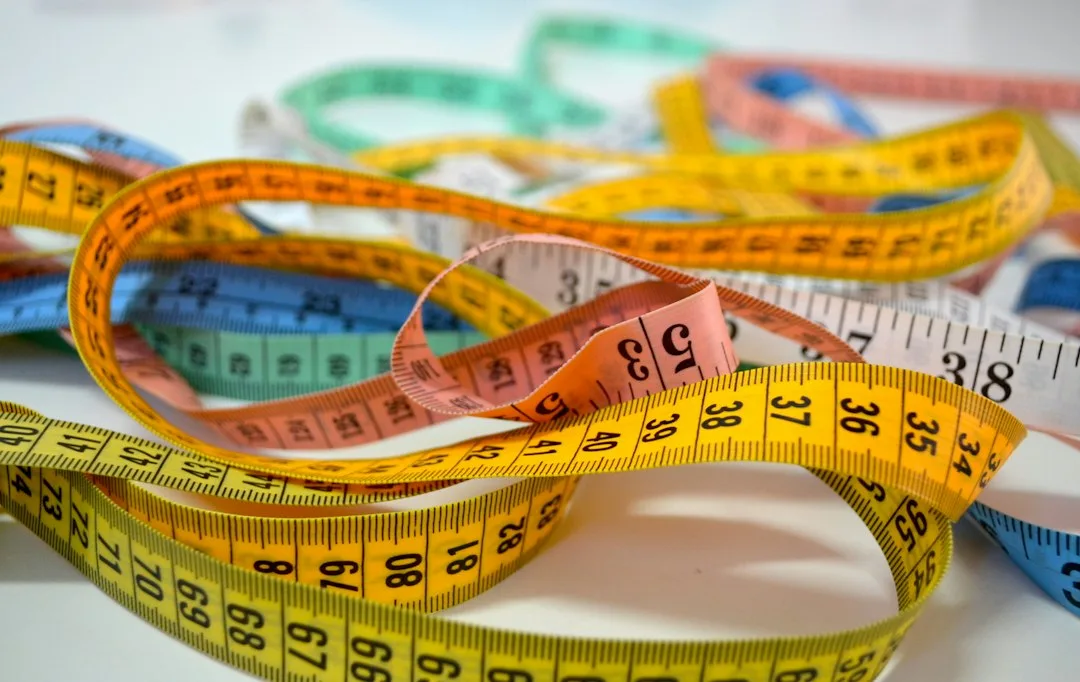
French linen, produced at a rate of 160,000 tonnes per year (representing 75% of global production), is a comfortable and eco-friendly natural fiber. Antifungal, antibacterial, and hypoallergenic, it absorbs up to 20% of its weight in moisture, making it an ideal ally for summer items like cardigans or shirts. Its cultivation, which requires few inputs, also limits its environmental impact while preserving its textile quality. It is a warm alternative for summer that is also mold-resistant, making it ideal for sensitive skin.
Cotton, with its absorbent capacity of 8.5% of its weight in water, remains a classic for projects requiring lightness and breathability. This vegetable fiber handles heat well and is available in organic versions, free from chemicals, for gentle contact with the skin. Its simple care and availability in skeins of various colors make it a versatile choice, whether for swatches or everyday clothing. Organic cotton, in particular, appeals to knitters concerned with quality and hypoallergenicity.
Acrylic yarns and wool-acrylic blends are attractive due to their value for money, lightness, and ease of care, often being machine-washable. Less prone to pilling than pure wool, they are suitable for beginners or projects requiring economical skeins, such as baby clothes or children's accessories. Their resistance to moisture and availability in a wide range of colors also make them a favorite for colorful creations or lace patterns where stitch definition is crucial.
How to choose your yarn: project, level, season, and gauge
For a beginner, prioritize skeins in the DK (double knitting) or worsted weight categories, available in acrylic or wool-acrylic blends, as they offer a good compromise between ease of use and aesthetic result. Needles in the 4 to 5 mm size are ideal for starting, as they allow you to work stitches without excessive tension while avoiding stitches that are too loose.

Avoid fibers like silk, mohair, or fingering weight yarns (which are too fine), as they tend to slip and complicate the mastery of lace stitches or technical details. These materials, while beautiful for advanced projects, require a level of precision that is difficult to acquire in your first attempts. Instead, opt for sweater yarn in neutral or bright colors according to your preference, to familiarize yourself with basic items like squares, scarves, or small cardigans before moving on to more complex models.
In summer, lightweight and breathable fibers are essential: cotton (including organic versions), linen, or bamboo are perfect for projects like tops, socks, or accessories. Their natural composition prevents overheating, and they are easy to care for (wash in cold water).
For winter, turn to warm yarns like merino (soft and thermoregulating) or alpaca (durable and insulating), which are ideal for thick sweaters or scarves. Wool-acrylic blends in 100% machine-washable skeins remain a practical solution for beginners or those with sensitive skin, while still offering a comfortable result. In case of skin irritation, check for Oeko-Tex certifications or choose fibers like organic cotton, which minimize irritation.
Before starting a project, always make a 10 × 10 cm gauge swatch in stockinette stitch (1 knit stitch, 1 purl stitch) to adjust your tension. Compare the number of stitches and rows obtained with those indicated in the pattern catalog: if your swatch is too tight (too many stitches per cm), increase your needle size (e.g., move from 4 to 4.5 mm). Conversely, if the stitches are too loose, decrease it slightly.
A 4.5 mm needle (or hook, depending on your preference) is often recommended for starting, as it allows you to easily visualize the stitches while maintaining even tension. Keep this swatch as a reference for your future projects, and don't hesitate to test several types of yarns or colors before choosing your final product. The quality of the fiber and the consistency of the skein sizes directly influence the result: prioritize certified items or those from recognized brands to avoid surprises.
FAQ
What yarn is best for starting knitting? A DK or worsted weight yarn in acrylic or a wool-acrylic blend, knitted with 4–5 mm needles, offers the best handling.
What weight is best for a winter sweater? Aran, worsted, or bulky depending on the desired speed; aran (5–6 mm needles) is the classic choice for warm fisherman sweaters.
How do I read a yarn label? Look for the weight (g), yardage (m), thickness (lace to super bulky), recommended needle size, and composition; the 10 × 10 cm gauge is also usually listed.
Is linen scratchy at first? Yes, linen softens wash after wash; it becomes very soft, antifungal, and hypoallergenic, making it ideal for summer.
Can I mix two different yarn weights?
Yes, by knitting them together (holding double strands) to create an intermediate thickness or a halo effect, but always make a swatch first.
What yarn should I use for socks? A fingering weight yarn (400–500 m / 50 g) reinforced with nylon or polyamide, knitted with 2.5–3.5 mm needles, ensures strength and fineness.
How can I prevent yarn from pilling? Choose long-staple fibers (merino, cashmere), look for regular twist, prioritize "superwash" or acrylic blends, and wash in a wool program using a laundry bag.
Sources
- Wikipedia — Knitting (definition and history) – en.wikipedia.org
- Ladylaine — Knitting yarn weights (complete lace to super bulky chart)
- Ladylaine — Cotton and linen cardigan (properties of linen and cotton, French production)
- Wikipedia — History of knitting (archaeological context) – en.wikipedia.org
See also
- Knitting an adult throw: patterns, dimensions, and techniques
- knitting gauge
- My first knitted socks!
- circular needles