In short
- Many free knitting patterns are available as PDF downloads.
- Reading instructions carefully and knitting a swatch are crucial for success.
- Needle choice depends on the project size, from baby clothes to blankets.
- Mastering abbreviations and symbols helps avoid construction errors.
Plenty of free knitting patterns are available as PDF downloads to kickstart your projects. To ensure your work is a success, reading the instructions carefully and knitting a swatch are crucial to verify your stitch tension.
The choice of needles varies depending on the model, from baby layettes to cozy blankets. Mastering abbreviations and symbols prevents construction mistakes and allows you to follow every step with precision.
Finding Knitting Patterns That Suit Your Style
Choosing a pattern that reflects your personal style is essential to staying inspired and motivated. The joy of completing a project often depends on how well the garment's style matches your taste, which is why selecting the right knitting patterns is so important.
Where to find free knitting patterns?
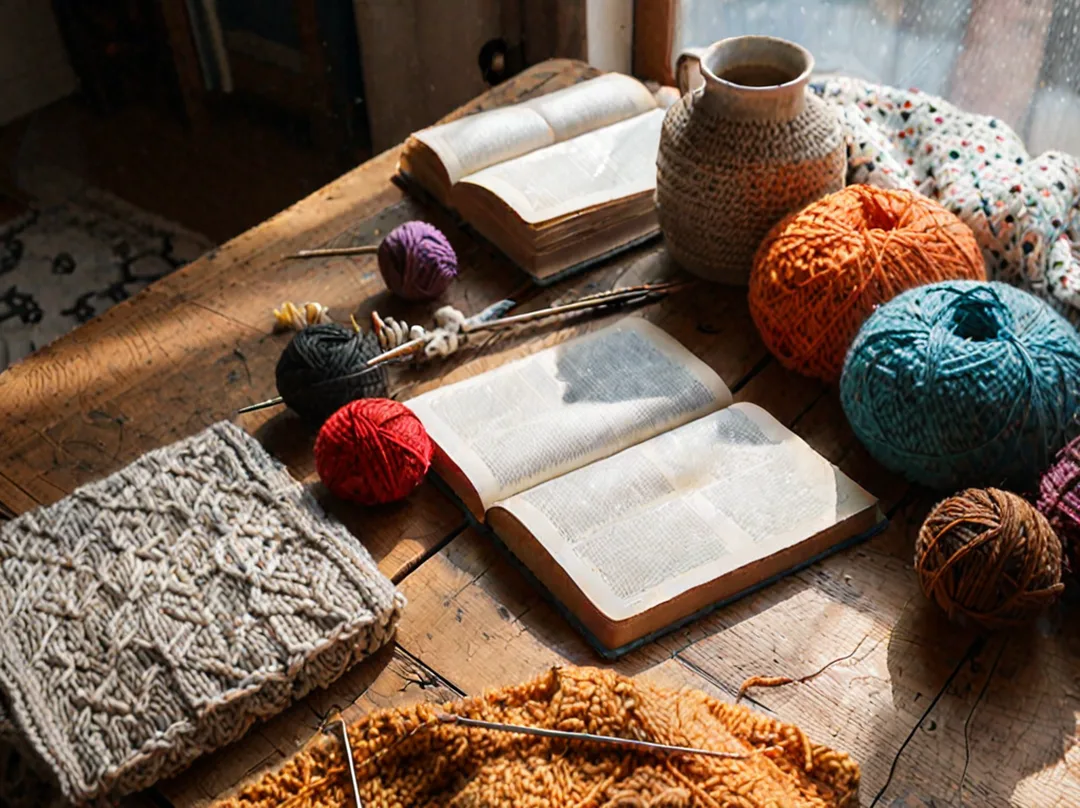
The web is full of digital resources for all skill levels. There are over 900 free PDF knitting patterns available, and more than 1,000 of these patterns are completely free—no minimum purchase or subscription required. Finding free downloadable PDF patterns is quick and easy, with most downloads taking only a couple of minutes.
Digital formats offer a great alternative to physical catalogs. While print books usually cost between $5 and $15, plus shipping, digital platforms allow you to browse thousands of e-patterns instantly. This accessibility makes it easier to discover new stitches or complex lace work.
Patterns adapted to every project
Materials and sizing change based on the target. For a baby sweater like the Tessa model (available for 3 to 18 months) or the Michelle model (sizes 3, 6, 12, and 18 months, with sleeve lengths from 9 to 11.5 inches and 8 to 10 decreases), 2.5mm to 3.5mm needles are typically used. For adult patterns, 4mm to 5mm needles are preferred, usually requiring 8 to 12 skeins of yarn.
Finally, blankets or infinity scarves (snoods) require larger needles, ranging from 8mm to 15mm. It is easy to find a free baby knitting pattern if you are just starting out.
| Project Type | Recommended Needles | Recommended Yarn |
|---|---|---|
| Baby Clothes | 2.5 to 3.5 mm | Fine and soft yarns |
| Adult Sweater | 4 to 5 mm | 8 to 12 skeins |
| Blanket or Infinity Scarf | 8 to 15 mm | Chunky/Bulky yarns |
How to Read a Knitting Pattern
Learning how to read a knitting pattern is a technical skill that makes the difference between a successful project and unnecessary frustration. Unlike a cooking recipe, a knitting pattern requires a methodical reading, where every symbol, abbreviation, or instruction determines the following steps.
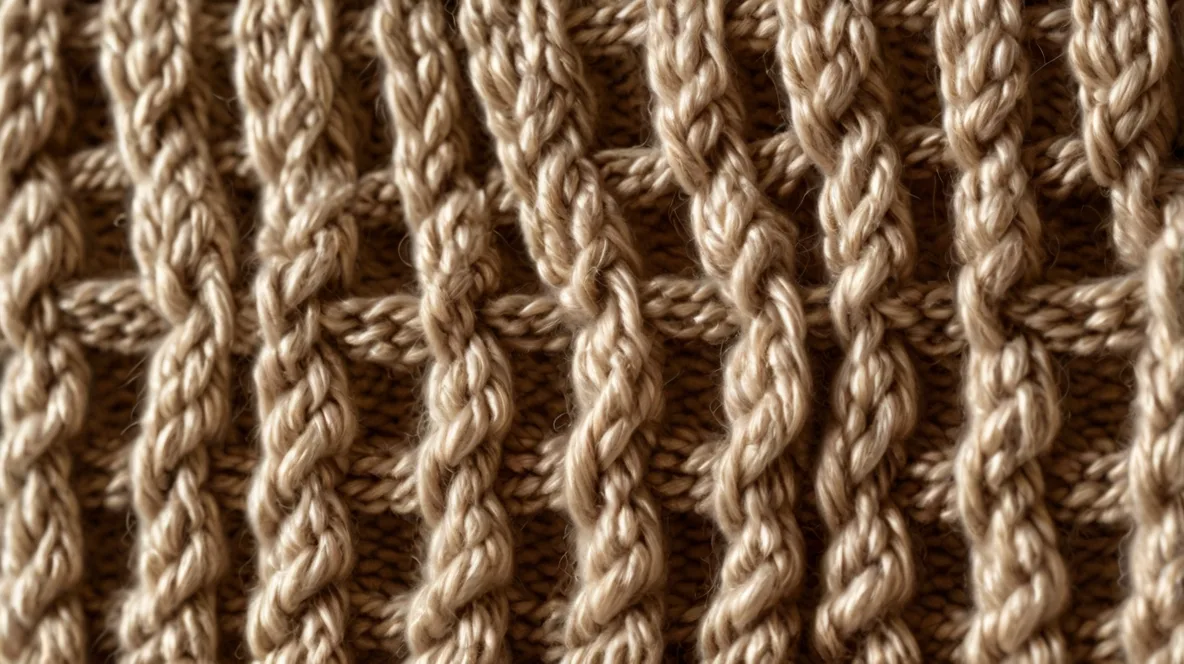
Beginners often underestimate this phase, yet it determines the final quality of the sweater, shawl, or accessory. A decoding error in the first few rows can compromise the entire project, which is why it's important to approach the instructions with the same rigor as the knitting itself.
Technical stitches, repetitions, and specific notations are there for a reason: they structure the model to ensure consistency and precision. Without this mastery, even the simplest lace can become a headache. To avoid this, start by identifying the key elements of the pattern: available sizes, required base stitches, and specific techniques (such as cables or crochet stitches). This information, usually found at the beginning of the document, serves as your roadmap.
Mastering technical language and symbols
The technical language of a knitting pattern relies on standardized abbreviations. In English, these are often short codes; for example, knit becomes k, purl becomes p, and decrease becomes dec. Familiarizing yourself with these is essential to avoid confusion.
Parentheses () or brackets [] play a crucial role: they enclose instructions to be repeated, such as "Repeat from * to * 4 times," meaning you execute that specific sequence four times in a row. Without these markers, you risk skipping steps or misplacing your stitches.
Get into the habit of highlighting these symbols during your first read, as they structure the repetition of motifs and complex stitches. Another common notation is "X stitches over Y rows," which indicates where and when to perform increases or decreases over several rows.
These directions, often accompanied by charts or diagrams, prevent distribution errors and ensure a harmonious result. Finally, be wary of abbreviations unique to certain patterns or specific communities, as they can vary by country or designer; always check the legend or footnotes.
Succeeding from the first row
To ensure your pattern comes together perfectly from the very first row, thorough preparation is key. Start by knitting a 4" x 4" (10 x 10 cm) swatch with the recommended yarn and needles. This step allows you to adjust your tension if necessary, as a swatch that is too loose or too tight will throw off the final dimensions.
Patterns usually specify the gauge for the swatch, but always verify that your work matches the indicated measurements before starting the project. Once the swatch is validated, read the pattern carefully: spend at least 5 minutes decrypting the instructions, especially if the model includes new techniques. Identify critical steps, such as color changes, decreases, or increases, and note them down on a piece of paper.
For example, a notation like "At 20 inches (50 cm), shape the armholes by binding off at each side every 2 rows: 1x4st, 3x3st, 4x1st" describes a precise sequence of stitches to remove. To avoid mistakes, knit these first steps slowly, counting every stitch and regularly checking that the total matches the number indicated in the pattern.
A great tip is to use stitch markers to signal the edges of sections being modified, especially if the model combines several stitches or lace. Finally, always keep a sample of the yarn used nearby: if you have a doubt about an instruction, compare it to your work to correct imperfections before they become irreversible.
Why Choose a Knit-Sis Knitting Pattern?
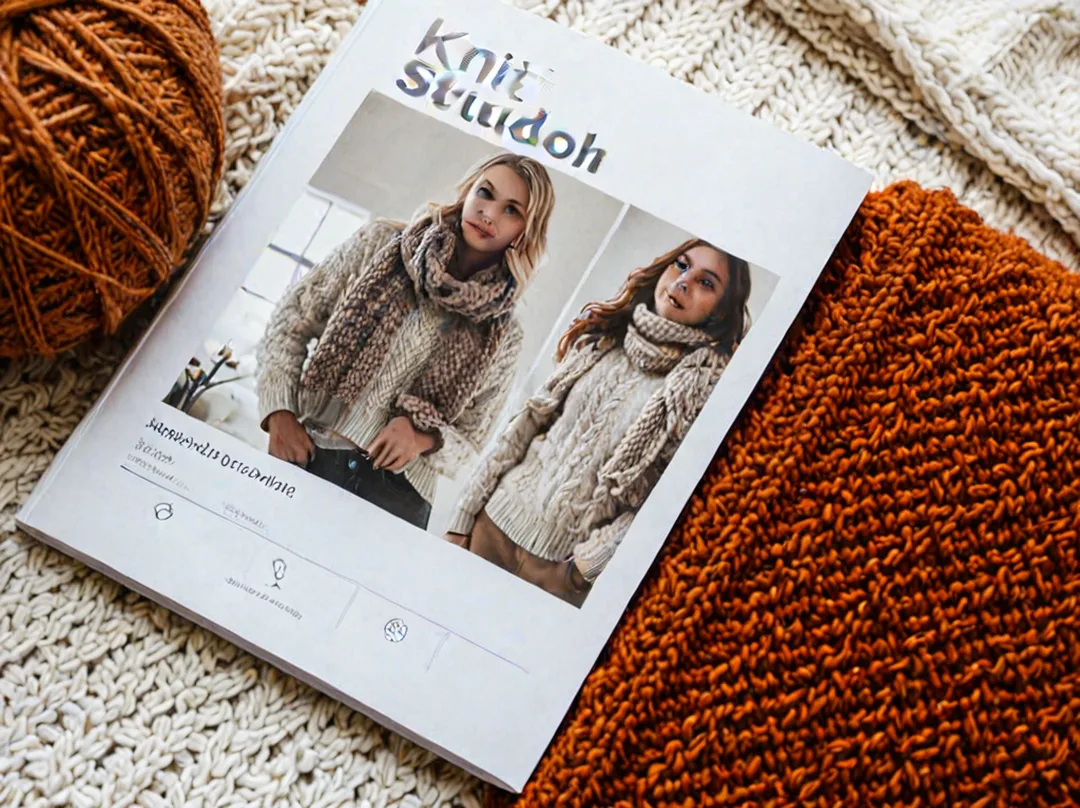
To ensure your projects are a success, clear instructions are essential. By choosing designs created for everyone, discover why a Knit-Sis knitting pattern is the right choice. Each knitting model offers an accessible approach to mastering stitches and tension with precision. The quality of each pattern ensures a flawless result. This diversity allows you to find a model that exactly matches your expectations, thanks to a rigorously developed knitting pattern.
| Model | Knitting Style |
|---|---|
| Aude Cardigan | Classic |
| Elmer Cardigan | Classic |
| Festi Cardigan | Classic |
| Marguerite Cardigan | eyelet stitch |
| Vintage Fall Cardigan | Classic |
| Nartelle Bandana | Accessory |
| Broccoli Sweater | Fancy eyelet stitch |
| Suvine Top | Fancy stitch |
FAQ
Where can I find free knitting patterns? You can find many free models on specialized websites offering downloadable PDF files.
Where can I find free patterns for knitting a sweater? Many online collections offer free sweater patterns, ranging from classic styles to fancy stitch designs.
What is the best free software for creating knitting patterns? While software exists, most knitters prefer using PDF models already designed by experts.
Where can I find knitting patterns in English? Look for English-speaking designers and platforms to ensure that abbreviations and instructions are familiar and clear.
How do I read a knitting pattern? You must carefully read the abbreviations, understand the repetition symbols, and, most importantly, knit a 4"x4" (10x10 cm) swatch.
Why choose a Knit-Sis knitting pattern? To benefit from tested models with clear explanations and a variety of designs for all skill levels.
Sources
See also