In short
- There are several types of needles: straight, circular, or double-pointed.
- Materials range from bamboo (low slip) to metal (high slip).
- For beginners, prioritize wooden or bamboo needles in the 5 to 6 mm range.
- Cable needles are essential for creating textured patterns.
Knitting is a technique—both artisanal and industrial—that consists of creating fabric by interlocking stitches using yarn. Unlike weaving, where threads cross each other, knitting relies on successive loops, called stitches, which slide into one another to form a flexible and stretchy structure. These stitches remain active until they are closed: they are held in place by knitting needles, the indispensable tools used to manipulate them.
Whether you are a beginner or an experienced knitter, your choice of needles directly influences the texture, tension, and overall aesthetic of your project. With the right knitting needles, it is possible to create sweaters, scarves, hats, or even complex accessories, provided you master their use and select the model suited to your project.
Knitting needles come in various shapes and materials, each meeting specific needs. The most common models include straight needles (for flat knitting), circular needles (for round pieces like hats), and double-pointed needles (for lace patterns or increases). Their composition—whether wood, bamboo, metal, or plastic—affects how the yarn glides and the stability of the stitches: bamboo offers a non-slip grip, while metal allows for faster execution.
For beginners, wooden or bamboo needles in the 5 to 6 mm range are often recommended, as they facilitate handling without sacrificing stitch control. Finally, cable needles—also known as slip stitch needles—are a must-have for creating textured patterns or clean finishes, such as sweater edges or hems.
An Overview of Essential Criteria for Making the Right Choice
Knitting, like weaving, is an ancestral method of fabric production, but its unique characteristic lies in the creation of stitches rather than interlaced threads. These stitches, formed by looping yarn around a needle, remain active until they are closed: they can thus be manipulated, stretched, or modified to create a wide variety of pieces.
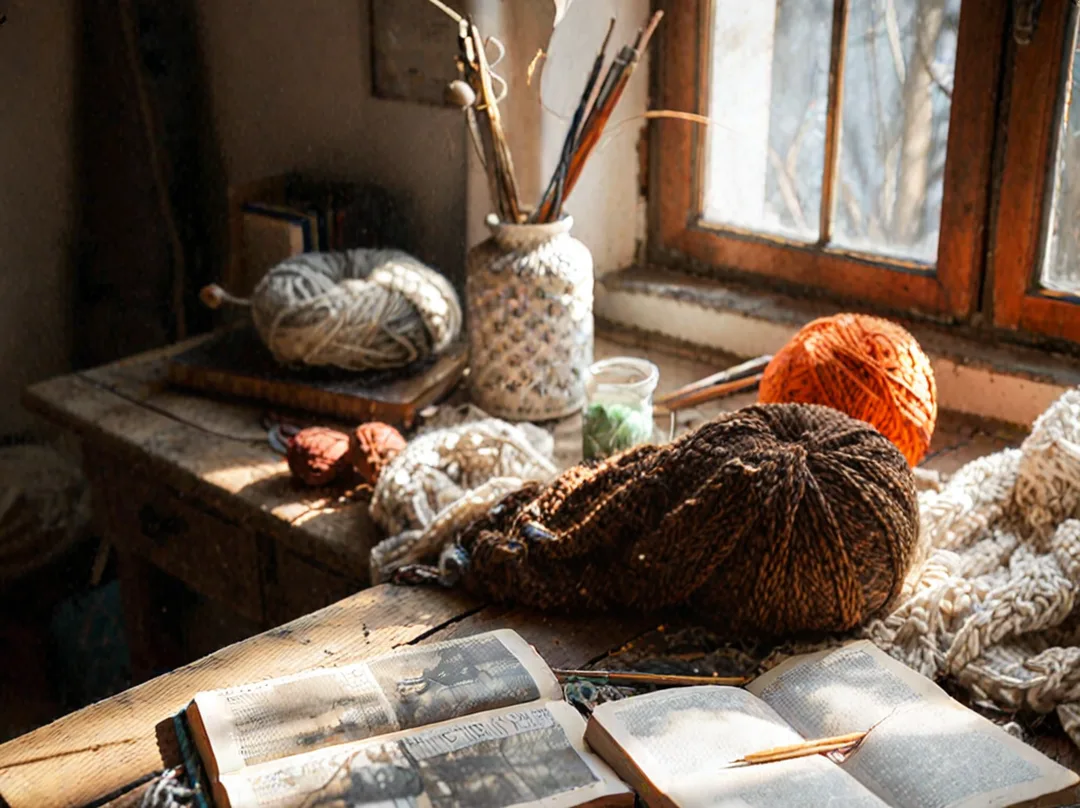
Knitting needles play a central role in this process, as they allow you to hold, slide, and lock stitches as you work. Without them, it would be impossible to complete projects ranging from a simple scarf to a complex patterned sweater. Your initial choice—size, shape, and material—determines not only the ease of execution but also the final look of the knit, whether it is tight, airy, or textured.
What are the Different Types of Knitting Needles?
Knitting needles come in several types, each suited to specific techniques or projects. Your choice depends primarily on your intended knitting method, whether you are working flat, in the round, or a combination of both.
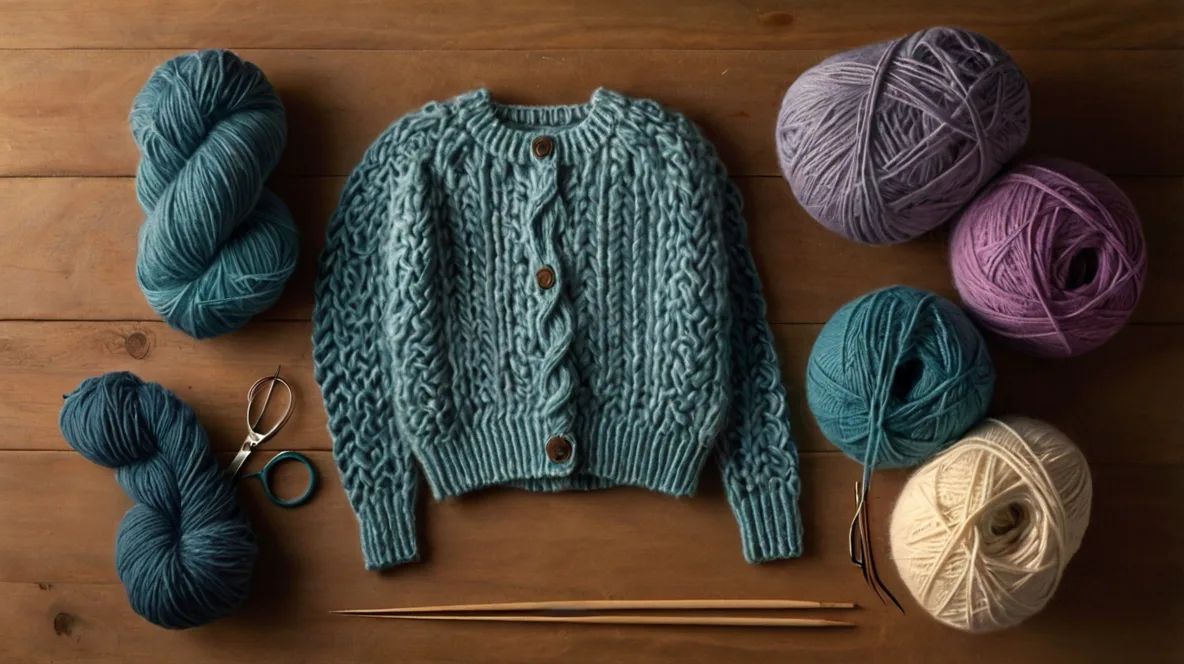
Some are designed to improve handling, while others optimize comfort during long sessions or precision for specific stitches. Their diversity allows them to adapt to all skill levels, from beginners to expert knitters, and even for complex items like fitted sweaters or accessories.
Double-Pointed Needles (DPNs)
Double-pointed needles are among the most versatile, making them ideal for seamless circular knitting, such as for socks or hats. They consist of two points connected by a cable (or a short needle) and are available in standardized sizes from 2 to 15 mm to accommodate all yarn weights, from the finest to the thickest.
Their length usually varies between 28 and 30 cm, a measurement designed to prevent excessive tension on the stitches while allowing for good maneuverability. In aluminum, they also offer extended lengths like 30, 40, or 50 cm, which are practical for large projects or bulky yarns. Their simple design makes them a staple for knitters looking to master circular techniques without investing in specialized tools.
Using Circular Knitting Needles
Circular knitting needles are distinguished by their flexible cable and single point, designed for knitting in the round without the risk of losing stitches. Their length, often adjustable thanks to extensible cables, commonly comes in 40, 60, 80, or 100 cm, allowing them to adapt to the circumference of the project, from small hats to wide scarves.
Their main advantage is comfort: they eliminate wrist tension and make it easier to work for long periods, while offering better visibility of the stitches. For beginners, they are particularly recommended because they help avoid common mistakes associated with double-pointed needles, such as dropped stitches or accidental twists. Their use also extends to advanced techniques, such as spiral knitting or complex patterns requiring great flexibility.
Which Material Should You Choose for Your Knitting Needles?
The choice of material directly influences knitting comfort, stitch glide, and the tool's durability. A texture that is too rough can catch fine yarns like merino wool or cotton, while metal that is too smooth can make it difficult to manage thick or fuzzy yarns.
Glide also varies depending on the project: wooden needles offer a natural grip for tight knitting, while aluminum or plastic allows for increased fluidity for complex patterns or elastic yarns. The weight and strength of the material also matter, especially for long circular needles, where lightness helps prevent fatigue during long sessions.
| Material | Feel | Slip | Ideal Yarns | Profile |
|---|---|---|---|---|
| Bamboo | Warm, soft | Low to medium | Smooth, lightweight yarns | Beginner, zen knitting |
| Wood | Very soft | Low | Slippery yarns (silk, fine wool) | All levels |
| Metal | Cool, smooth | High | Wool, acrylic, fine yarns | Experienced knitters |
| Plastic | Light, warm | High | Chunky yarns | Beginner, budget-friendly |
| Carbon | Warm, precise | Medium | Fine yarns, lace | Intermediate to expert |
| Glass | Smooth, artistic | High | Occasional use | Collector / enthusiast |
Everything You Need to Know About Cable Needles
Cable needles are a specialized tool, indispensable for creating textured patterns like cables, which add volume and texture to knitting projects. Their unique design allows you to manipulate stitches with precision, preventing them from slipping while facilitating the creation of complex motifs.
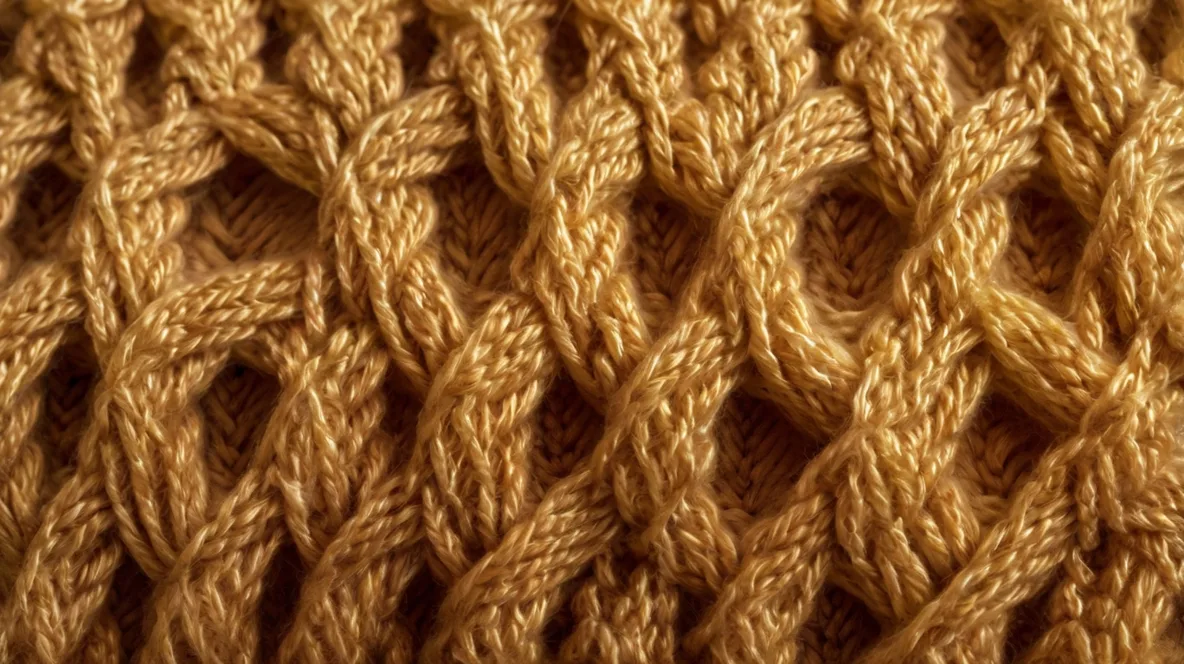
Whether you are a beginner or an experienced knitter, these needles adapt to different types of wool and projects, from scarves to sweaters and decorative accessories. Using them optimizes the time spent on technical details while preserving the quality of the final piece.
The Advantages of Cable Needles
Cable needles: what are they? These needles, often U-shaped or hollow/straight, are designed to facilitate the creation of cables—a pattern where stitches are interlaced to create a raised effect. They come in several sizes, such as F10, F11, and F13, which correspond to diameters suited to the thickness of the yarn used.
Their surface can be smooth or slightly textured depending on the material, which influences stitch glide. For example, wooden or metal models offer a better grip than plastic, while reducing the risk of breakage or deformation during repeated use. The U-shape, in particular, is preferred for complex patterns because it holds the stitches in place without them escaping—a major asset for demanding projects.
Their utility goes beyond simple cables: they are also used to join pieces, adjust tight stitches, or correct errors without undoing all the work. For knitters starting with these patterns, it is advised to begin with simple models like F10 or F11 before moving to finer sizes like F13 for more pronounced effects.
Handling them relies on a specific technique: slip the stitches onto the cable needle, reposition them on the left needle, and then knit them as usual, which prevents knots and ensures a clean finish.
Choosing from Leading Brands
Among the brands recognized for the quality of their cable needles, Knit Pro and Clover stand out for their ergonomics and durability. Knit Pro, for instance, offers lightweight and resistant models, ideal for intensive use, while Clover focuses on innovative designs, such as double-pointed versions or interchangeable sets to adapt to different projects.
These brands also offer complete kits including several sizes, which is practical for versatile knitters. The choice between them often depends on budget and personal preference: some prefer metal for its rigidity, while others choose wood for its natural, non-slip feel. For beginners, plastic models, though less expensive, may suffice for practice before investing in higher-end materials.
Tips for Getting Started and Organizing Your Gear
For beginners, prioritize bamboo or aluminum needles in the 4 mm to 5 mm size range, which are ideal for lightweight yarns like cotton or merino wool. These diameters offer a good compromise between ease of handling and tension, while limiting the risk of breakage or slipping.
Avoid needles that are too fine (smaller than 3 mm) for your first projects, as they require a level of precision that is difficult to master without experience. A pair of 5 mm bamboo needles, for example, is often recommended for learning tight stitches or basic swatches, while aluminum, being lighter, is better suited for quick projects like scarves or hats.
Organizing and protecting your needles is essential to prolong their lifespan and increase efficiency. Opt for specialized storage bags, such as those from the brand Luxja, designed to prevent impacts and scratches, or double pouches like Procase, which separate needles by size and material. These solutions allow you to transport your gear safely, especially when traveling or attending workshops.
For home storage, use individual cases made of foam or compartmentalized boxes, making sure not to mix metal needles with wooden or bamboo ones to avoid friction. An extra tip: label your needles by diameter and material for immediate access, especially if you alternate between several projects.
FAQ
What are the best knitting needles? The choice depends on your skill level and the yarn, but brands like Chiaogoo or Knit Pro are highly regarded.
What are cable needles? They are specific needles, often U-shaped or hollow, used to hold stitches in place when creating textured cable patterns.
How do I choose the right cable needle? You should prioritize stitch stability and choose a model (U-shaped or straight) that suits the complexity of your patterns.
How do I slip stitches onto a cable needle? It is recommended to slip the stitches onto the cable needle before repositioning them onto the left needle to knit them.
How do I knit stitches using a cable needle? The stitches are moved onto the special needle and then knitted to create the characteristic crossing of the pattern.
How should I store my knitting needles? You can use dedicated storage bags or specific pouches to prevent losing them.
Which needles are recommended for beginners? Bamboo or wooden needles with a maximum diameter of 5 to 6 mm are ideal for starting out.
Sources
- Wikipedia - Knitting – en.wikipedia.org
- Les Triconautes - Choosing your needles
- Les Triconautes - Cable needles
See also
- Knitting an adult throw: patterns, dimensions, and techniques
- My first knitted socks!
- hand-knitted gifts