In short
- Green is a versatile color that complements all knitting styles.
- Shades range from pastels like sage to deep tones like pine.
- The choice of fiber, such as organic cotton or polyacrylic, influences the visual finish.
- Current trends favor natural greens and heathered nuances.
Green is a must-have color for knitting enthusiasts, capable of enhancing everything from a soft sweater to minimalist accessories. Whether you opt for a soothing sage green, a deep emerald green, or a bright mint green, this palette offers endless possibilities to suit every style, from bohemian creations to structured garments. The material used plays a key role: organic cotton wool will highlight natural tones, while polyacrylic will intensify vibrant colors.
Today, trends favor nature-inspired greens, such as heathered nuances or mossy tones, while also integrating bold blends for modern effects. Whether you are a beginner or an experienced pro, understanding the subtleties of green colors for knitting will allow you to create unique, harmonious pieces full of character.
Mastering the Shades of Green for Knitting
Green colors for knitting are not limited to a single hue: they form a rich and varied spectrum, where each shade tells a different story.
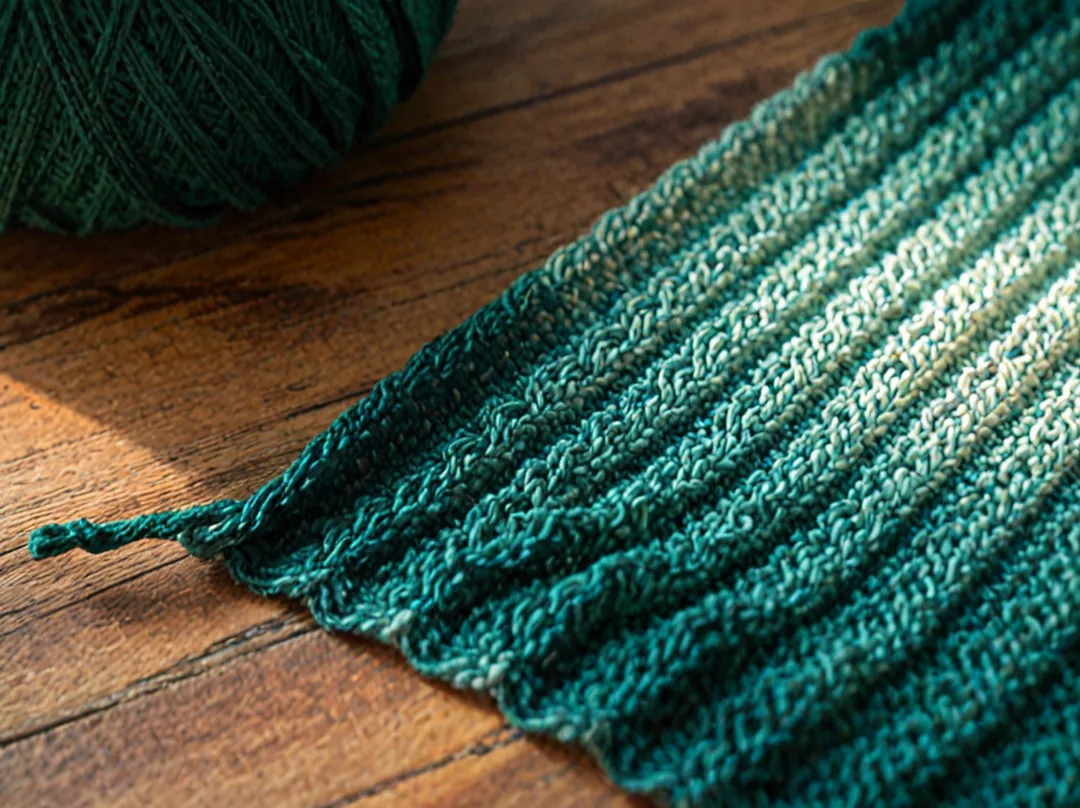
Whether you want to evoke the freshness of a spring meadow with apple green, the serenity of a forest with pine green, or the elegance of an English garden with sage green, your color choice directly influences the mood of your project. This versatility makes it a favorite among knitters, who can shift from a romantic style to a contemporary touch in a single piece.
To fully exploit this potential, it is essential to distinguish between families of green—from light tones to saturated depths—and to understand how they interact with other colors, whether they are neutrals like beige or bright contrasts like red. Even a basic mastery of these nuances helps avoid color rendering errors and brings consistent creations to life, whether intended for daily wear or as an exceptional statement piece.
The Symbolism of Green in Your Work
Beyond their visual appeal, green colors in knitting carry strong symbolism, often linked to nature and balance. A mint or pistachio green evokes lightness and growth, making it ideal for spring projects or feminine accessories like scarves or beanies. Conversely, emerald green or bottle green suggests depth and sophistication, perfect for structured sweaters or elegant gloves.
This duality allows you to adapt your creations to specific intentions: soothe with soft tones, energize with contrasts, or even convey an ecological message by prioritizing natural or recycled wools. Projects knitted in green are also associated with sustainability, as this color is often used to highlight environmentally friendly materials, such as organic merino wool or certified cotton. Thus, choosing a green shade is also an aesthetic and ethical choice.
Understanding Green Nuances
What are the different nuances of green? The answer lies in understanding the variations of this hue, which can range from a yellowish light green to a dark green close to black.
A shade is defined as a variation of a base hue, obtained by adding white (to lighten) or black (to darken), or by mixing with other colors like blue or yellow. For example, sage green is a cooler, grayer shade than apple green, while olive green incorporates a touch of brown for an earthy look.
These distinctions are crucial in knitting, where light and texture influence the final perception: a thick wool will absorb more light, making tones appear more matte, whereas a fine wool will reflect light and accentuate vibrancy. For knitters, identifying these nuances allows you to anticipate the finished look and avoid surprises, especially when working with hand-dyed yarns or fiber blends.
Distinguishing Different Tones of Green
To see clearly, it is important to distinguish between three key concepts: the hue (the green itself), the tone (its lightness or darkness), and the shade (its variation through the addition of other colors). The hue corresponds to the color family, such as yellowish green (close to yellow) or bluish green (close to blue). The tone determines if the color is light (e.g., mint green) or dark (e.g., forest green), depending on the amount of white or black added.
Finally, the shade introduces subtle modifications: emerald green is a saturated hue, while moss green is a softer, almost grayish shade. In knitting, these distinctions become meaningful when choosing yarn: acrylic wool will highlight bright, uniform tones, whereas cashmere wool will soften contrasts and create velvety effects. Understanding these differences allows you to select the right hue for a project, whether it is a solid-colored sweater or a multi-colored pattern.
What are the Different Types of Green Colors?
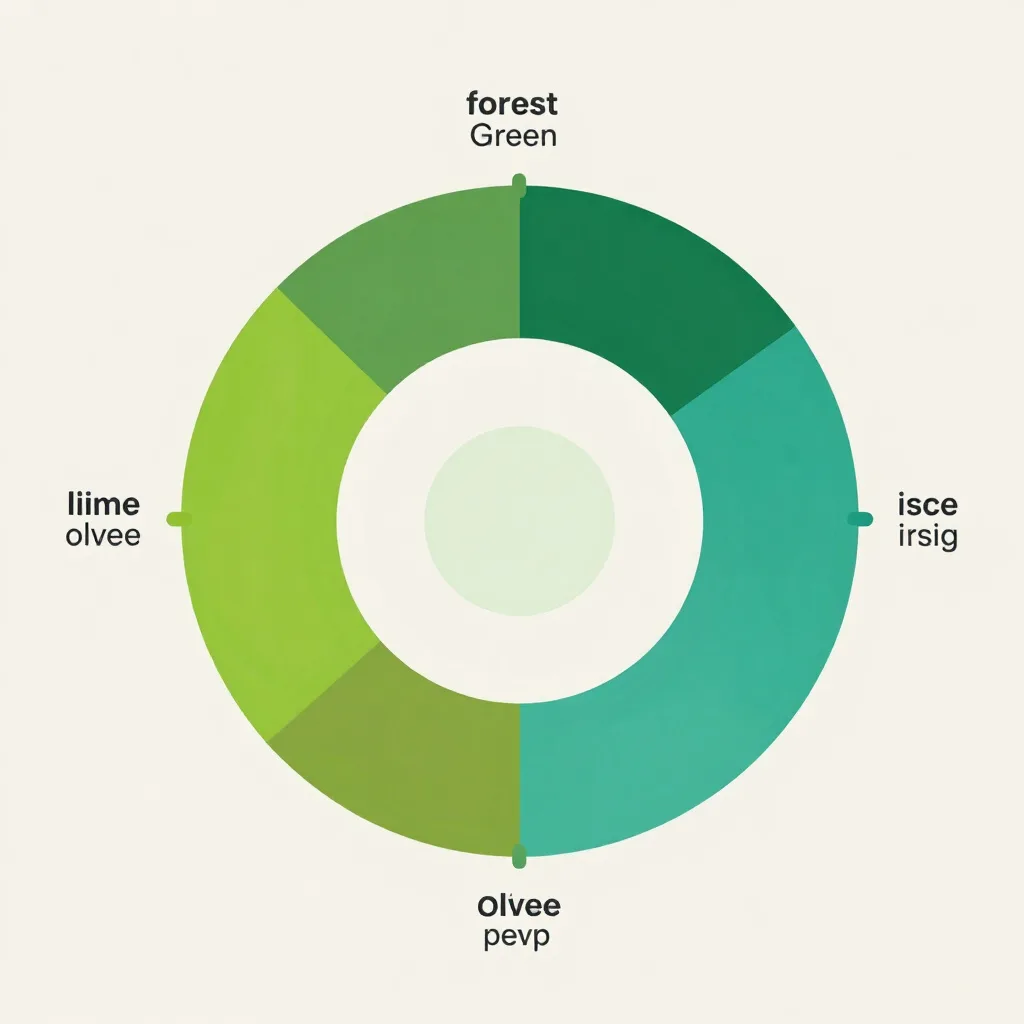
To choose the right green yarn for your knitting projects, it is essential to understand the different families of this color, which are often perceived as unique but are actually very diverse. This classification allows you to refine your selection based on the desired mood: from warm tones to cool shades, including deep or bright hues. A structured approach prevents color matching errors and ensures your creation reflects exactly the emotion or style you are looking for.
| Green Type | Shade Examples | Recommended Style |
|---|---|---|
| Natural | Sage, Olive, Eucalyptus | Bohemian, Casual |
| Bright | Lime, Emerald, Neon | Modern, Sporty |
| Dark | Pine, Forest, Petrol | Classic, Elegant |
Organic and Natural Greens
Organic and natural greens, such as sage or olive, are inspired directly by nature to offer a warm and timeless palette. A sage green wool, for example, evokes Mediterranean landscapes or the earthy tones of dried herbs, making it ideal for bohemian projects, light scarves, or oversized sweaters.
These shades, often tinted with yellow or brown, bring an organic and soothing touch, perfect for lovers of rustic or minimalist styles. Their versatility makes them suitable for both everyday clothing and casual accessories.
Bright and Contemporary Greens
On the opposite end, bright and contemporary greens, such as lime green or emerald green, bring a touch of modernity and boldness to knitted creations. Lime green, in particular, stands out due to its luminosity and dynamic feel, often associated with current urban knitting trends or graphic pieces.
These vivid hues are perfect for accessories like beanies, gloves, or scarves, where they draw attention without overwhelming other elements. Their intensity also makes them a popular choice for projects intended for children or young adults looking to make a style statement.
Dark and Sophisticated Greens
Dark and sophisticated greens, such as those inspired by pine or deep forest, bring elegance and mystery to knitted items. A pine green wool, for instance, calls to mind autumn woodlands or the rich tones of resin, making it ideal for structured sweaters, coats, or winter accessories.
These shades, often paired with thick yarns or geometric patterns, enhance the luxurious feel of a piece while remaining timeless. They are particularly appreciated for evening wear or creations intended for special occasions, where their depth adds a refined dimension.
Pastel and Soft Greens
Finally, pastel and soft greens, like mint or pale green, appeal through their lightness and springtime feel. These tones, often used for baby clothes, spring ensembles, or delicate accessories, evoke the freshness of new leaves or calm waters.
Their softness makes them suitable for projects needing a touch of freshness, such as airy cardigans, baby beanies, or light scarves. Their ability to pair easily with other pastel or neutral colors also makes them a favored choice for summer creations or romantic outfits.
Inspiration and Green Yarn References
To choose the best green yarn references, you must first identify your priorities: brightness, texture, or durability. Green wools vary according to their composition (cotton, acrylic, merino wool) and their finish (smooth, fuzzy, or textured). A polyacrylic ball will offer bright colors that are easy to care for, while organic cotton will prioritize comfort for lightweight projects. Specialized brands offer dedicated ranges, such as the timeless greens from Sandnes Garn or exclusive shades designed by independent designers.
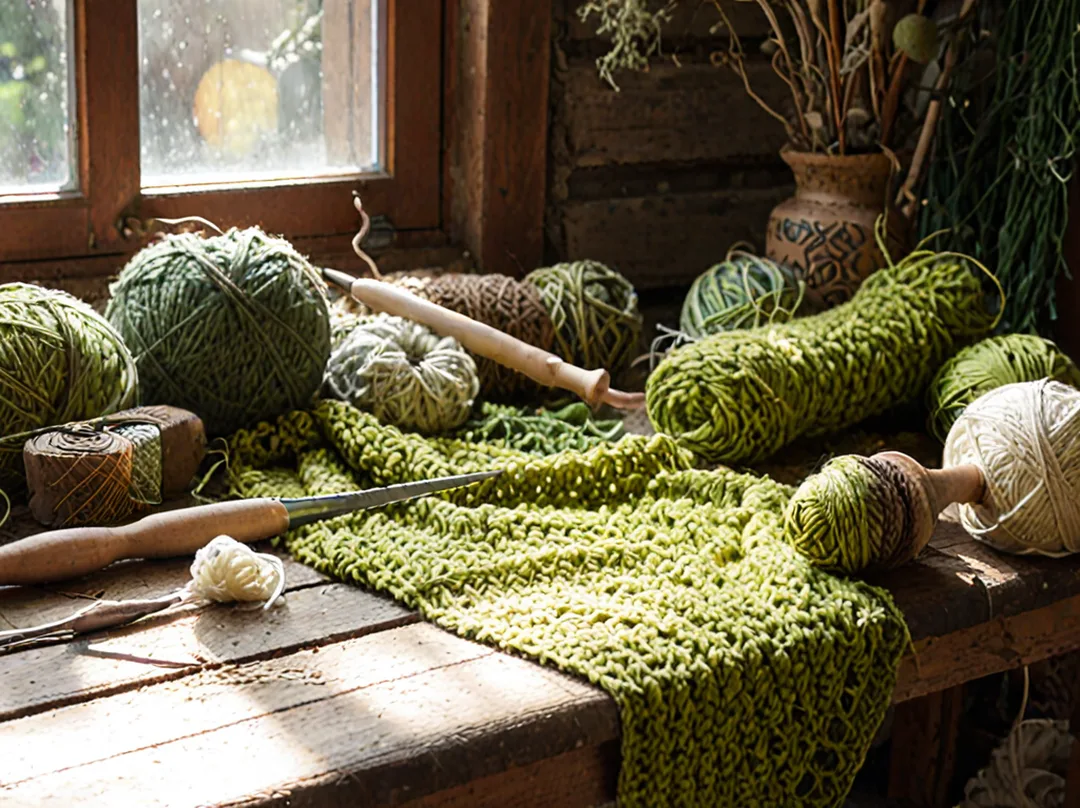
Before making any purchase, check the yarn's compatibility with your project: a very light blown yarn will suit a summer shawl, while a softer merino will be ideal for a winter sweater. Current trends lean toward natural greens and pastel tones, but classics like pine green or emerald green remain safe bets for long-lasting creations.
The Sandnes Garn Collection and the Peer Gynt Range
The Peer Gynt collection offers several thicknesses to suit all projects, from the lightest to the heaviest. Peer Gynt Forest Green 7272 illustrates this diversity with a darker, velvety shade, ideal for winter creations. This yarn is available in finer versions, such as Tynn Peer Gynt (a soft merino for delicate work), or in more substantial balls, such as Double Sunday (a hardy, four-season yarn).
For texture lovers, Line offers a blown, airy feel, while Børstet Alpakka brings a fuzzy touch thanks to its alpaca blend. Each thickness maintains the visual signature of the range, with deep greens or lighter shades, allowing you to vary styles without sacrificing aesthetic consistency. These options cater to both beginners and experienced knitters, with weights suitable for projects ranging from a light cardigan to a thick scarf.
Textures and Materials
Organic cotton is preferred for lightweight and breathable knits, especially for summer projects or baby clothing. This natural material, grown without pesticides, offers optimal comfort due to its softness and moisture-wicking properties. Organic cotton green wools often come in soft, natural tones, such as moss green or meadow hues, which evoke springtime landscapes.
Their lightness makes them ideal for blouses, tops, or summer scarves where breathability is a priority. While less durable than synthetic fibers, these wools are easily hand-washed or machine-washed at low temperatures, preserving their color and texture. For ethically-minded knitters, organic cotton represents an eco-friendly alternative to conventional yarns while offering refined aesthetic results.
What is the trendiest green color right now?
Recent seasons have seen the emergence of nature-inspired greens, with a marked preference for meadow tones and sage nuances. Meadow green #57D53B, close to mint green, dominates palettes due to its freshness and soothing quality, often associated with spring collections. Designers are also betting on deeper greens, like emerald green or olive green, for timeless and elegant creations.
Current trends also incorporate metallic or iridescent greens for a sophisticated effect, as well as gradients inspired by forest landscapes. Yarn brands like Sandnes Garn or Drops Design adapt their ranges accordingly, offering limited editions to follow these evolutions. To stay on-trend, knitters often opt for medium to light greens, which are easy to pair with neutrals or pastel tones.
Popular Green Shade Directory
- Emerald Lime Ln68
- Soft Merino Forest Green 18
- Soft Merino Jade Green 19
- Peer Gynt Moss Green 9364
- Peer Gynt Eucalyptus Green 8051
Here is a selection of popular green shades, referenced by their hexadecimal code or commercial name to facilitate your shopping: meadow green #57D53B, a bright and luminous tone inspired by fields, ideal for summer projects; reed green 7572 from the Peer Gynt range, a warm green with golden undertones, perfect for autumn creations; forest green 7272, a deep and velvety shade, suitable for winter sweaters; mint green, often used in organic cotton for lightweight creations; and emerald green, a timeless classic available in acrylic or merino wool.
These references cover a wide spectrum, from light greens to dark tones, and adapt to different styles, from Scandinavian minimalism to bohemian creations. For knitters seeking inspiration, these colors provide a solid foundation for exploring bold combinations or graphic patterns.
Tips for Successful Color Combinations
To harmonize greens with other colors, prioritize combinations that balance their intensity. A deep emerald green, for example, naturally pairs with golden tones or shiny materials like silk, while a light mint green goes better with pastel shades or soft textures like cotton.
The trick lies in contrast: a dark green will gain elegance when paired with black or white accessories, while a pale green will shine in light ensembles, such as a knitted sweater paired with light jeans. Balancing the saturation and brightness of adjacent colors prevents effects from becoming too garish or dull, while creating a coherent visual harmony.
Pairing Green with Neutral Hues
Beige and cream are steadfast allies of green, as they soften its vibrancy without diluting it. A pine green sweater paired with a cream scarf creates a subtle contrast, ideal for autumn or winter outfits. Conversely, a light mint green on an off-white beige background brings a spring touch, perfect for casual looks.
These neutral shades act as a backdrop that highlights the green without dominating it, while offering versatility for layering other colors. For a more sophisticated effect, add a touch of metal, such as a gold button, which reinforces the harmony without overloading the look.
The Role of Light on Yarn Color
Natural or artificial light radically transforms the appearance of green yarn. An emerald green may appear deeper under warm lighting (like an incandescent lamp) and cooler under blue light (like a neon). To avoid unpleasant surprises, always test your wool in the environment where it will be worn: at home, near a window, or outdoors on a cloudy day.
Greens based on synthetic pigments (such as certain fluorescent greens) are particularly sensitive to light variations, while natural dyes, which are often less intense, tend to remain more stable. A helpful tip is to compare the yarn under several light sources before finalizing your choice.
Choosing Based on the Garment's Use
The choice of a green shade depends largely on the intended use of the garment and its wearer. A dark green, such as bottle green, is suitable for structured sweaters for a professional look or winter scarves for a timeless style. In contrast, pastel green or apple green is better suited for children or lightweight accessories, like beanies or gloves, where the color should remain cheerful and accessible.
For everyday clothing, opt for intermediate greens (olive green, sage green) that adapt to multiple occasions without being too formal. Finally, metallic or iridescent greens, while spectacular, are best reserved for occasional pieces, such as evening coats or festive accessories.
FAQ
What is the trendiest green color right now? Natural shades like sage green and olive green dominate current trends.
What are the different types of green colors? We distinguish between pastel greens, bright greens (lime), natural greens (olive), and dark greens (pine).
What are the different shades of green? There is an infinite variety of shades, ranging from very light mint green to intense emerald green.
What are the different tones of green? Tones vary according to saturation and brightness, creating light, medium, or dark greens.
How do I choose my green wool? Consider the material (cotton for summer, wool for winter) and the desired visual effect (matte or shiny).
Sources
See Also
- Knitting an adult throw: patterns, dimensions, and techniques
- knitting gauge
- First knitted socks!
- circular knitting