In short
- Cotton is a natural plant fiber loved for its softness and breathability.
- Mercerized cotton offers more shine and strength than standard cotton.
- It is a versatile yarn, ideal for summer clothing and accessories.
- It is perfect for various projects, from lightweight tops to reusable makeup remover pads.
Cotton is a natural plant fiber renowned for its comfort and soft texture, making it ideal for knitting and crochet projects. Appreciated for its breathability, it is perfectly suited for summer clothing or lightweight accessories, such as scarves or makeup remover pads.
Among its varieties, mercerized cotton stands out due to its increased shine and superior strength, offering a high-quality alternative for more elegant creations. Versatile and accessible, this yarn is suitable for both beginners and experienced knitters, thanks to its easy handling and simple care.
Whether you are looking for a cotton yarn with a silky feel or one that is gentle on sensitive skin, this natural fiber is highly versatile. Used for centuries, cotton remains a staple in knitted items, combining durability and comfort. Its success lies in its ability to adapt to all projects, from basic items to more technical patterns, while ensuring a pleasant result when worn. Its ability to be machine washed or hand washed also makes it a practical choice for everyday use.
Everything You Need to Know About Cotton and Knitting Yarns
Cotton is a natural fiber extracted from the seeds of the cotton plant, a shrub in the Malvaceae family. This fiber, composed of nearly 90% cellulose, is transformed into yarn through a spinning process, allowing for the creation of lightweight and durable fabrics.
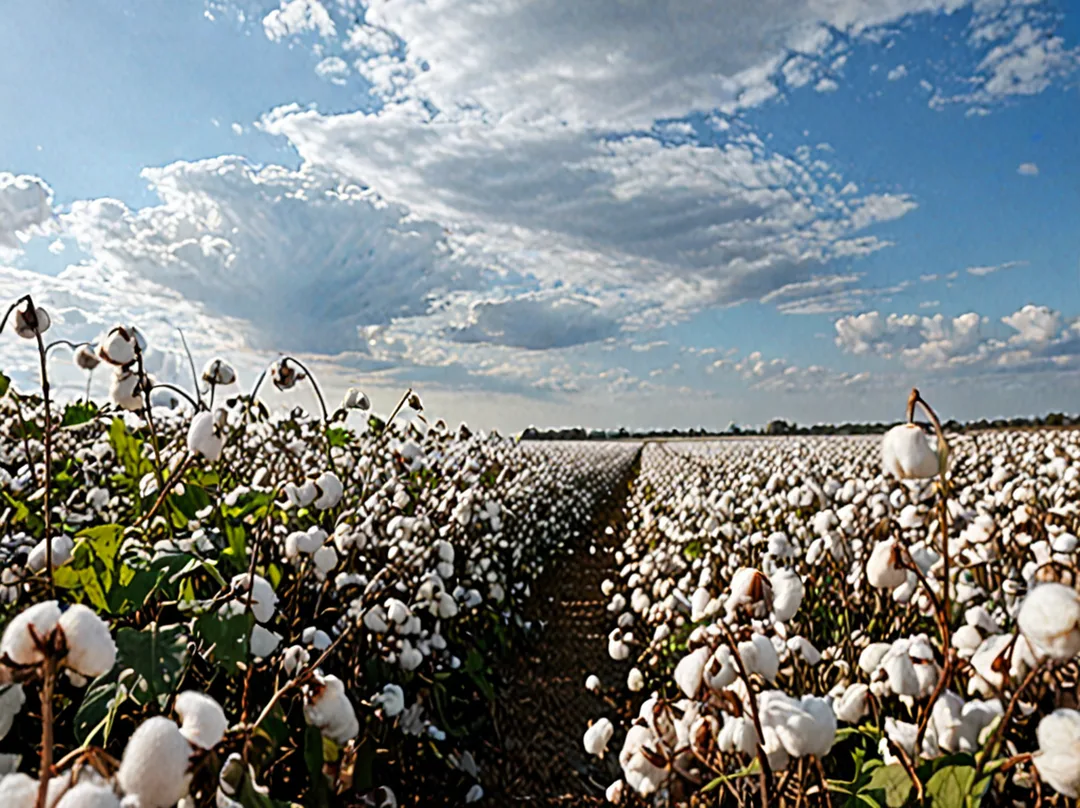
Thanks to its plant-based structure, cotton offers a texture that is both soft and structured, making it a preferred material for knitting and crochet projects. With global production concentrated mainly in China and India, it has been the most widely used textile fiber since the 19th century, benefiting from the industrial and agricultural advancements of that era.
To understand the characteristics of cotton yarn, it is important to know that it comes in several types, including mercerized cotton, which is treated to improve its shine and strength.
Standard cotton yarn, on the other hand, is characterized by its natural color and slightly rustic feel, while dyed versions or blends with other fibers (such as linen or wool) can alter its texture. These properties make it a versatile material, suitable for lightweight clothing, accessories, or even baby items, thanks to its comfort and hypoallergenic nature.
The history of cotton in knitting dates back several centuries, when it was already used to make durable and airy garments. In the Middle Ages, European weavers were already incorporating it into their creations, although production was limited at the time. With the invention of mechanical looms in the 18th century, cotton became a mass-produced product, revolutionizing the textile industry. Today, it remains a pillar of craft projects, blending tradition with modernity.
Size 4 Crochet Cotton Yarn
Size 4 crochet cotton yarn is a specific product designed to meet the needs of crocheters, particularly those working with size 4 hooks (3.5 mm). This type of yarn is characterized by a texture slightly thicker than standard cotton, which allows for more defined stitches and better stitch definition for stitches.
Ideal for projects requiring a certain level of stiffness, such as bags, baskets, or lace patterns, it also offers a pleasant feel for sensitive skin due to its lack of fuzz.
Machine washing (at a low temperature) or hand washing preserves its quality while ensuring a long lifespan. For beginners, this yarn is highly recommended because it makes it easier to see the stitches and avoid common mistakes. Finally, its vibrant or natural colors adapt to a wide range of creations, from colorful accessories to summer clothing.
Mercerized Cotton: A Luxurious Option for Your Projects
Mercerized cotton is a cotton fiber subjected to a specific chemical treatment called mercerization, invented in the 19th century by British chemist John Mercer. This process involves immersing the fibers in a caustic soda solution and then mechanically stretching them to modify their structure.
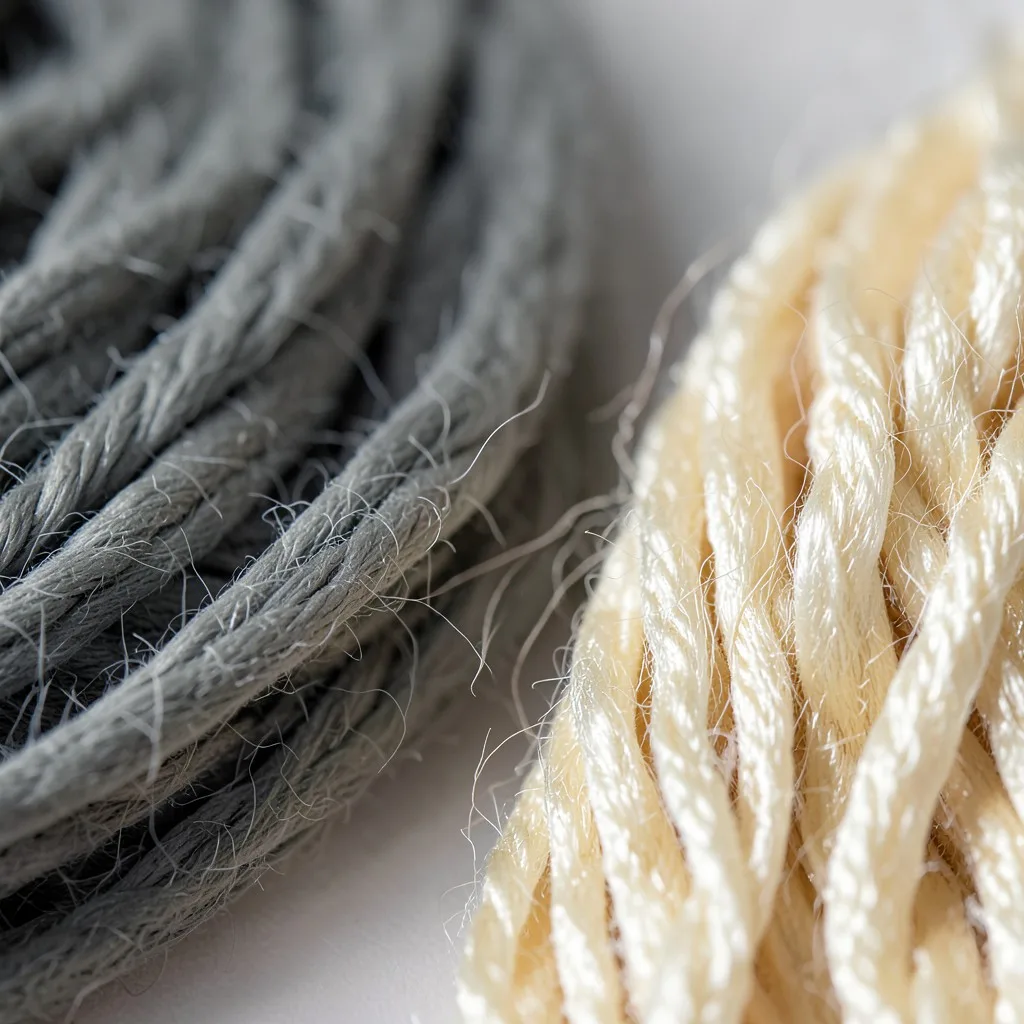
This transformation gives the cotton yarn distinct properties, such as a smoother texture and natural shine, while also increasing its strength. Originally developed to improve the quality of fabrics, this treatment quickly found its place in the knitting world, where it allows for the creation of projects that are both elegant and durable.
Mercerized Cotton VS Conventional Cotton
| Property | Conventional Cotton | Mercerized Cotton |
|---|---|---|
| Shine | Natural | High (lustrous) |
| Softness | Standard | Increased |
| Strength | Normal | Enhanced |
| Absorbency | Standard | Excellent |
| Cost | Affordable | Higher |
Mercerized cotton is distinguished from conventional cotton by several key points, notably its increased shine and softness, making it a preferred choice for clothing and accessories that touch the skin. Comparing mercerized cotton and conventional cotton also reveals superior strength, ideal for items intended for heavy use, such as scarves or sweaters.
Its silky feel and ability to absorb moisture make it an ally for sensitive skin, while offering remarkable ease of care: pieces washed in a machine at moderate temperatures retain their luster and shape. Finally, its natural breathability makes it a product suitable for warm seasons, where air circulation is essential for comfort.
However, this superior quality comes with some trade-offs. Mercerized cotton is more expensive due to its manufacturing process, which involves chemicals like caustic soda that are less eco-friendly than traditional methods. Additionally, its sensitivity to heat requires precautions during washing and drying to prevent its shine from fading or its texture from degrading.
Finally, although its yarns are more resistant, they require appropriate needles or hooks to avoid breakage—a detail often overlooked by beginners. These drawbacks limit its use to projects where the aesthetic result is more important than simplicity of execution.
Tips for Choosing the Right Skeins
The success of your knitting often depends on how you manage your tension. Regular tension control allows for a consistent result across the entire finished piece. The choice of needles or hooks also plays a decisive role in this technical mastery. By matching your equipment to the type of cotton yarn used, you ensure better fiber hold and a more harmonious final look for your future projects.
Depending on the desired thickness, your choice of material will vary. To create delicate pieces, it is wise to use a size 4 crochet cotton yarn. Thicker yarns offer a different texture, ideal for creating items with more relief. This selection directly influences the comfort and drape of the clothing you make with these different products.
It is entirely possible to create beautiful pieces without breaking your budget. For your many projects, you can look for economical options. It is helpful to know where to find cheap crochet cotton yarn so you can experiment more freely. This allows you to test different color shades or types of cotton while keeping your overall expenses in check.
- Check the label for the exact composition
- Work a swatch to adjust your tension
- Prioritize natural fibers for skin contact
- Anticipate shrinkage after washing
- Choose the correct needle or hook diameter
DIY Cotton Knitting Inspiration
The lightness of this fiber allows you to create pieces suitable for all seasons. For summer, you can make breezy tops, tank tops, or t-shirts using lace patterns and textured stitches. For cooler periods, sweaters and cardigans offer light warmth while remaining breathable.
Cotton yarn also adds softness and shine to scarves and shawls, while its strength is perfect for making durable socks. You can also knit accessories like beanies, mittens, snoods, or headbands to complement your clothing. To get started, here is some DIY cotton knitting inspiration.
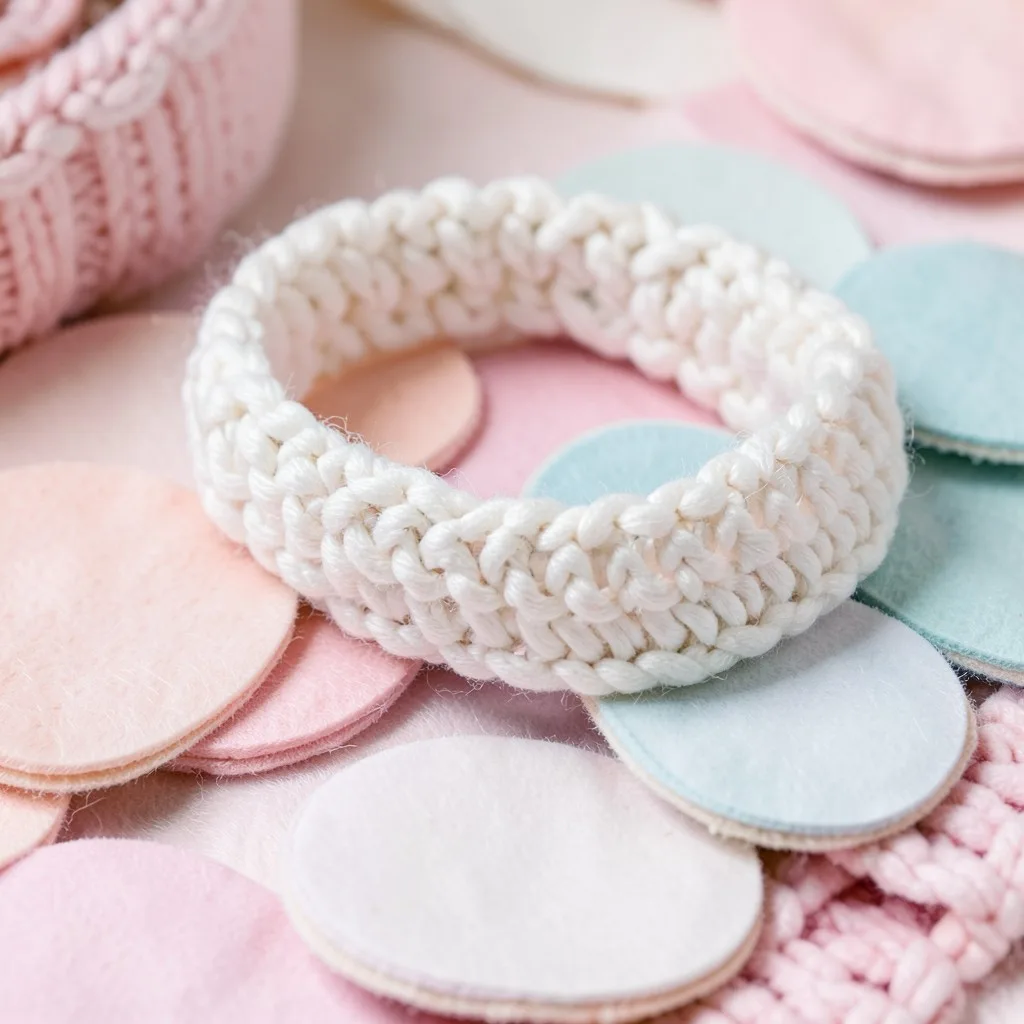
Knitting can also be part of an eco-friendly lifestyle to limit disposable products. Cotton is ideal for contact with the skin due to its softness. A simple and useful project is making reusable makeup remover pads: an easy knitting and sewing tutorial.
To achieve the desired result, choosing the right stitches is essential. Depending on the texture you want, you can opt for a dense stitch or a softer one using suitable needles. Simply follow this knitting tutorial: the garter stitch and stockinette stitch makeup remover pad to master these techniques.
FAQ
What is mercerized cotton? It is cotton that has undergone a chemical treatment to increase its shine and strength.
How is it made? It is treated through a process called mercerization, using substances such as caustic soda.
Can mercerized cotton clothing be machine washed? Yes, they are generally easy to care for and can be machine washed at moderate temperatures.
Is it suitable for sensitive skin? Yes, its softness and natural breathability make it very comfortable for sensitive skin.
Why switch to washable makeup remover pads? To reduce waste and provide an eco-friendly, sustainable alternative to disposable cotton pads.
What materials do I need to make effective makeup remover pads? You will need soft cotton yarn and terry cloth for the sewing portion.
Sources
See also
- knitting gauge
- Knitting an adult throw: patterns, dimensions, and techniques
- My first knitted socks!
- hand-knitted gifts